The Challenge
The toy market is one of the hardest arenas in product development. It demands three things at once: an impressive play experience, absolute child safety, and a very low unit cost — because the shelf price decides everything. A product that nails only two of the three never makes it to a retail chain.
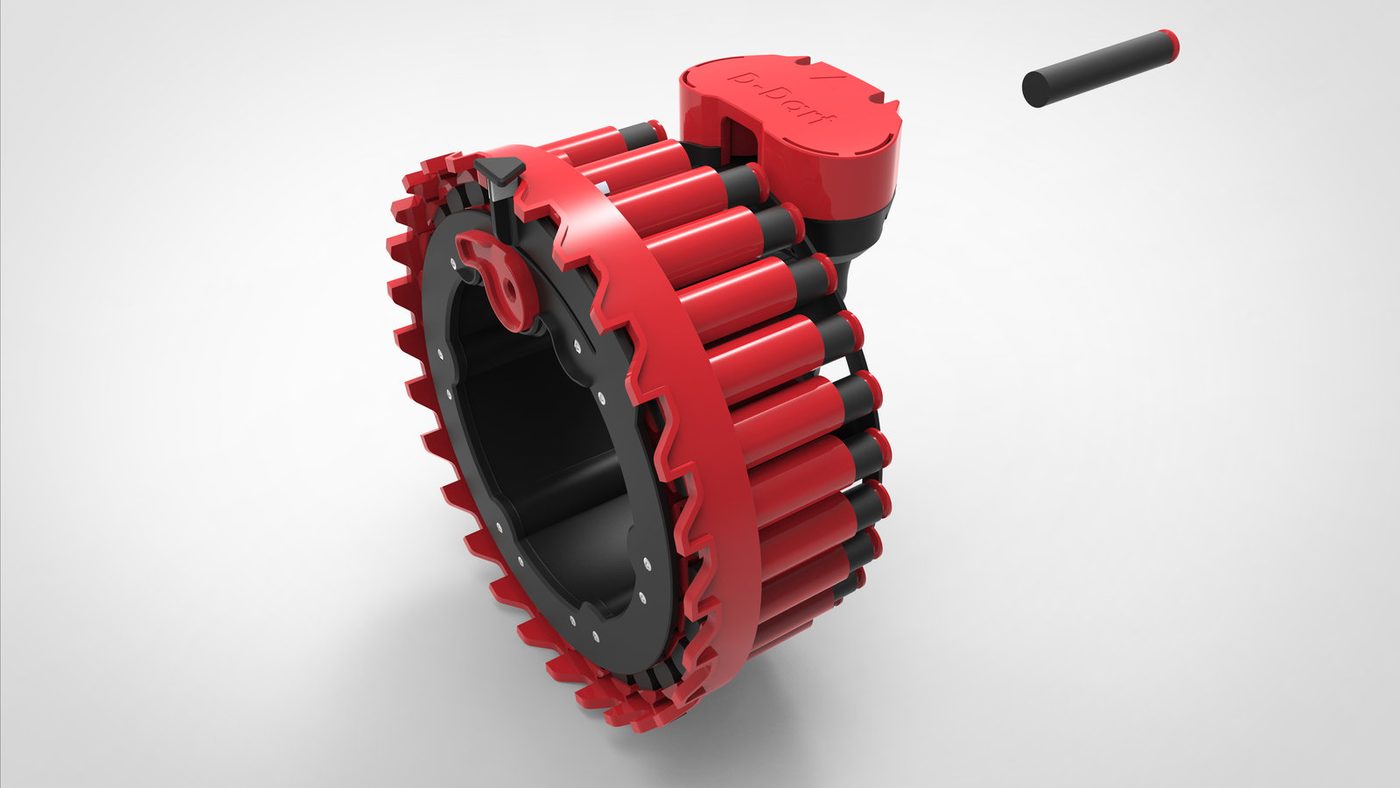
The functional requirement was a dart blaster with continuous automatic fire, at a rate that delivers the excitement kids are looking for, at a cost that supports a competitive shelf price.
The Engineering Solution
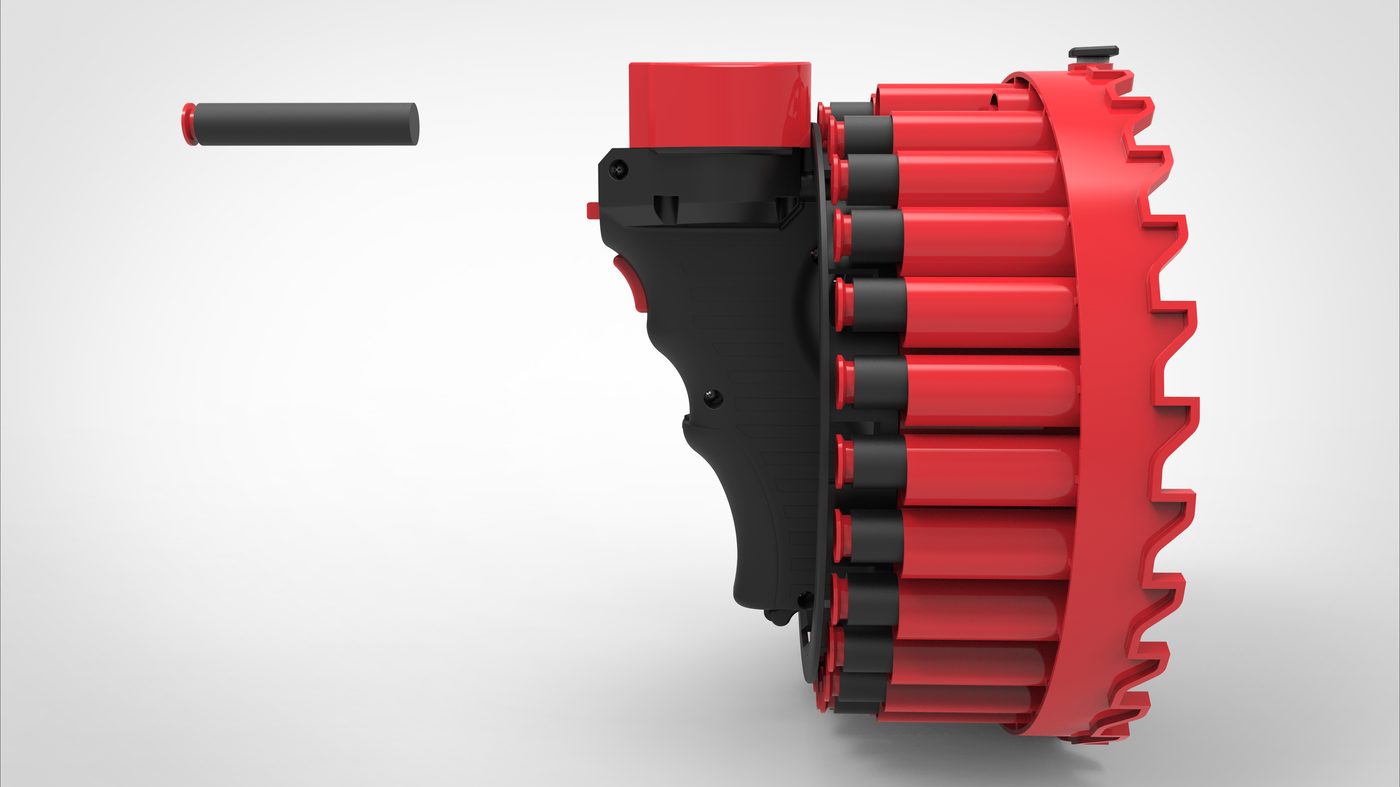
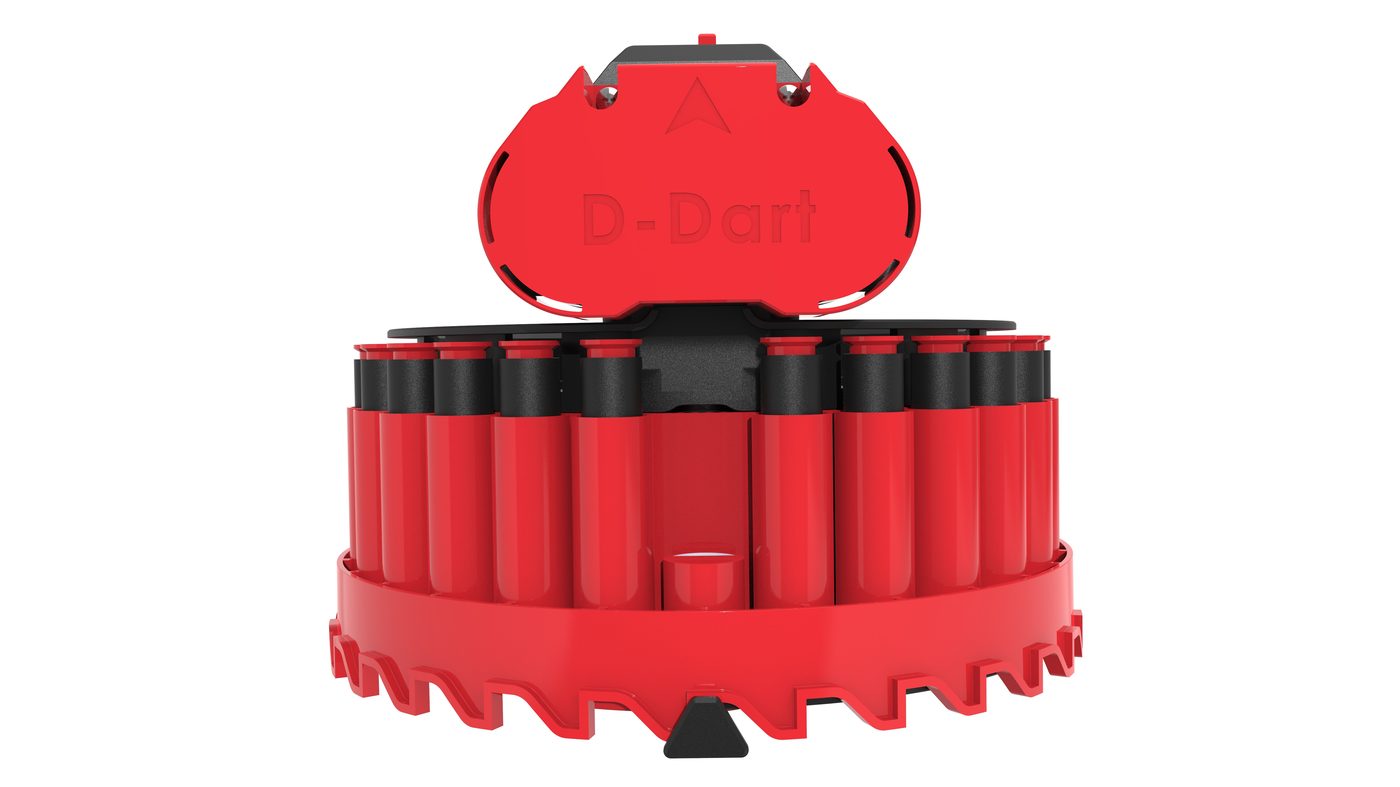
The heart of the product is the dart feed mechanism. Reliable rapid fire requires every dart to arrive in exactly the same position, shot after shot, even as the magazine empties and the force on the darts changes. The solution was a spring with a characteristic chosen so the feed force stays within a narrow band all the way to the last dart, combined with a feed channel that prevents dart tilt.
The second challenge was wear. A toy gets actuated thousands of times by children, and not gently. Moving parts were designed as plastic-on-plastic interfaces using material pairs selected to minimize wear, and contact areas were enlarged at critical points to spread the load.
Safety as a Design Driver
- Launch energy limited by the design itself, not by an instruction sheet — the user cannot increase it.
- No exposed pinch points a small finger could reach while the mechanism cycles.
- No small detachable parts — every component is either captive or larger than the minimum allowed size.
- Soft dart tips with controlled impact behavior.
From Prototype to Mass Production
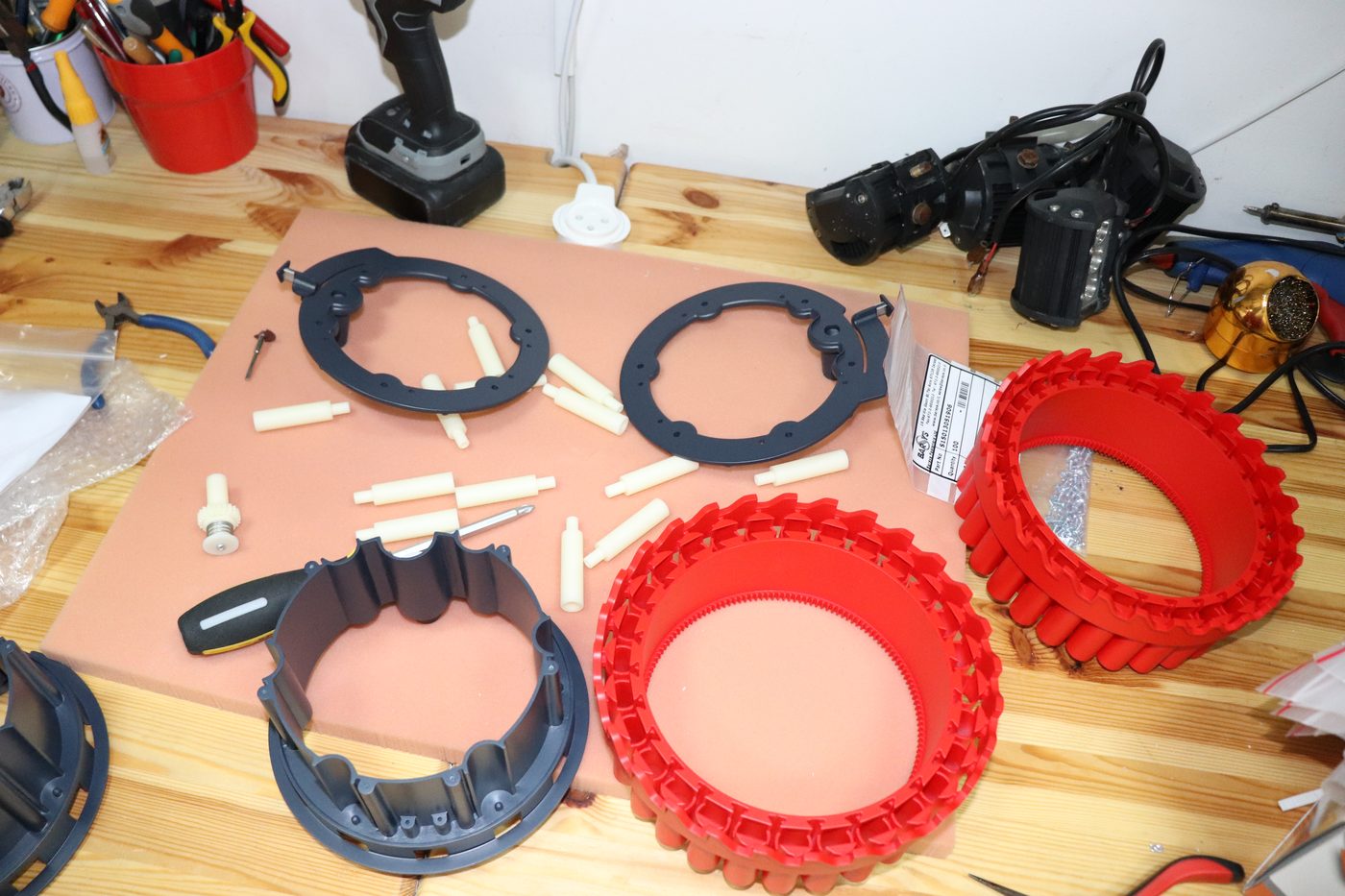
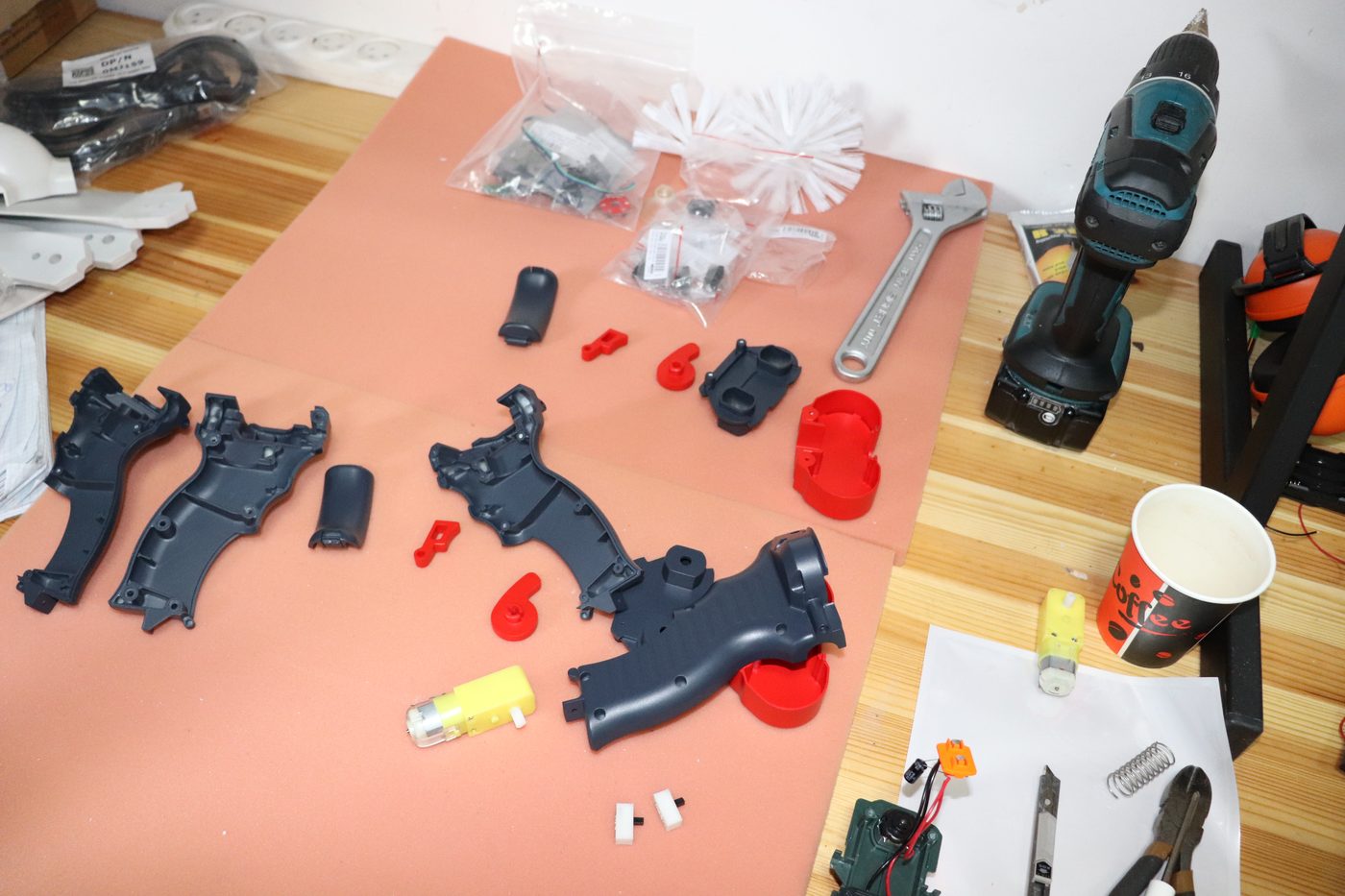
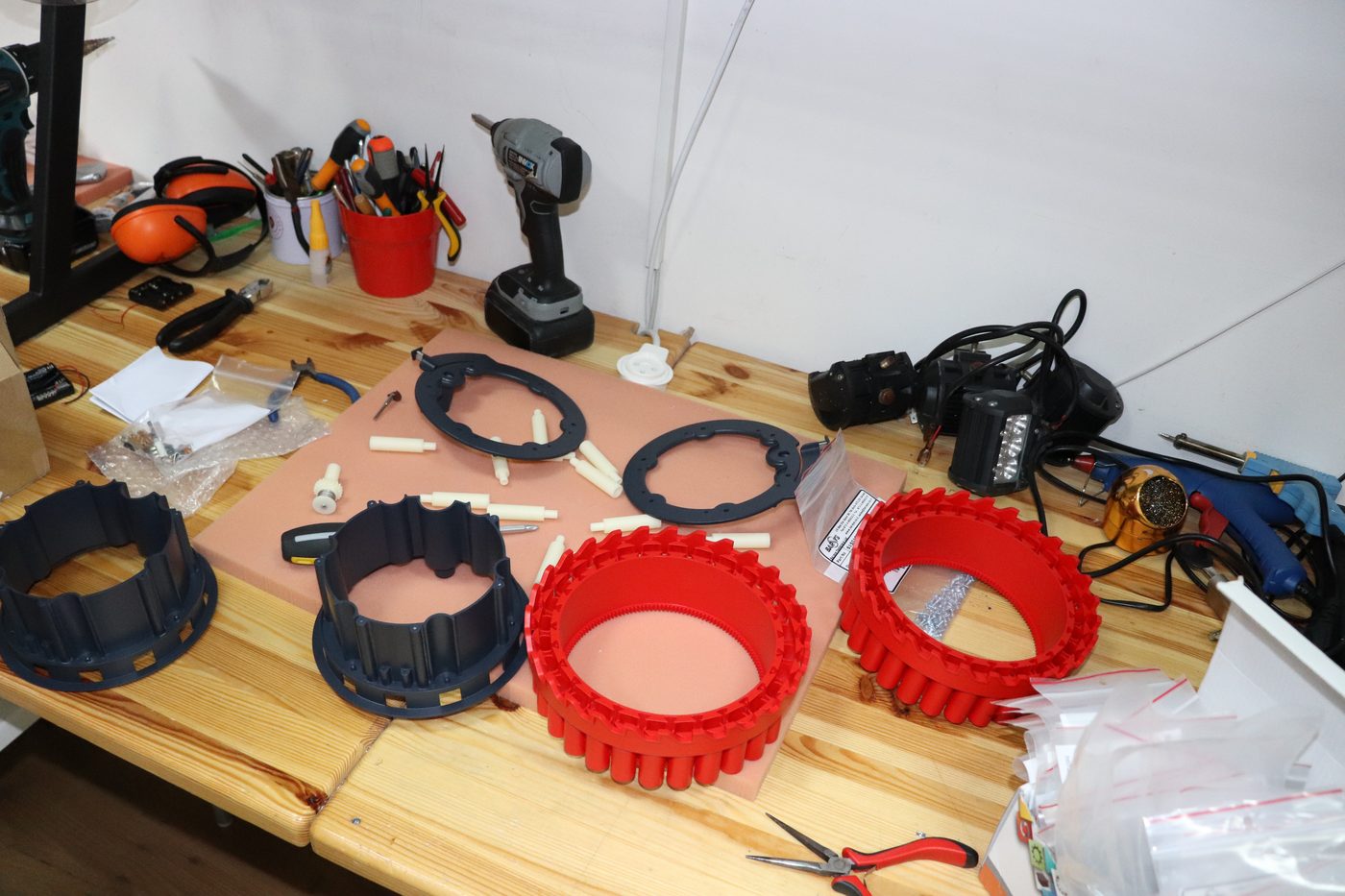
The gap between a blaster that works and a manufactured unit is the whole project. The design was adapted for injection molding — draft angles on every part, uniform wall thickness to prevent sink marks, reinforcing ribs instead of thick sections, and splitting the product into parts that fit reasonable molds. This is the discipline covered across our guides to manufacturing technologies and the production-readiness work done by product engineering companies. After design approval, molds were built and a pilot run produced — the approach we describe in prototype development — surfacing cycle times and assembly issues before committing to volume.
The Outcome
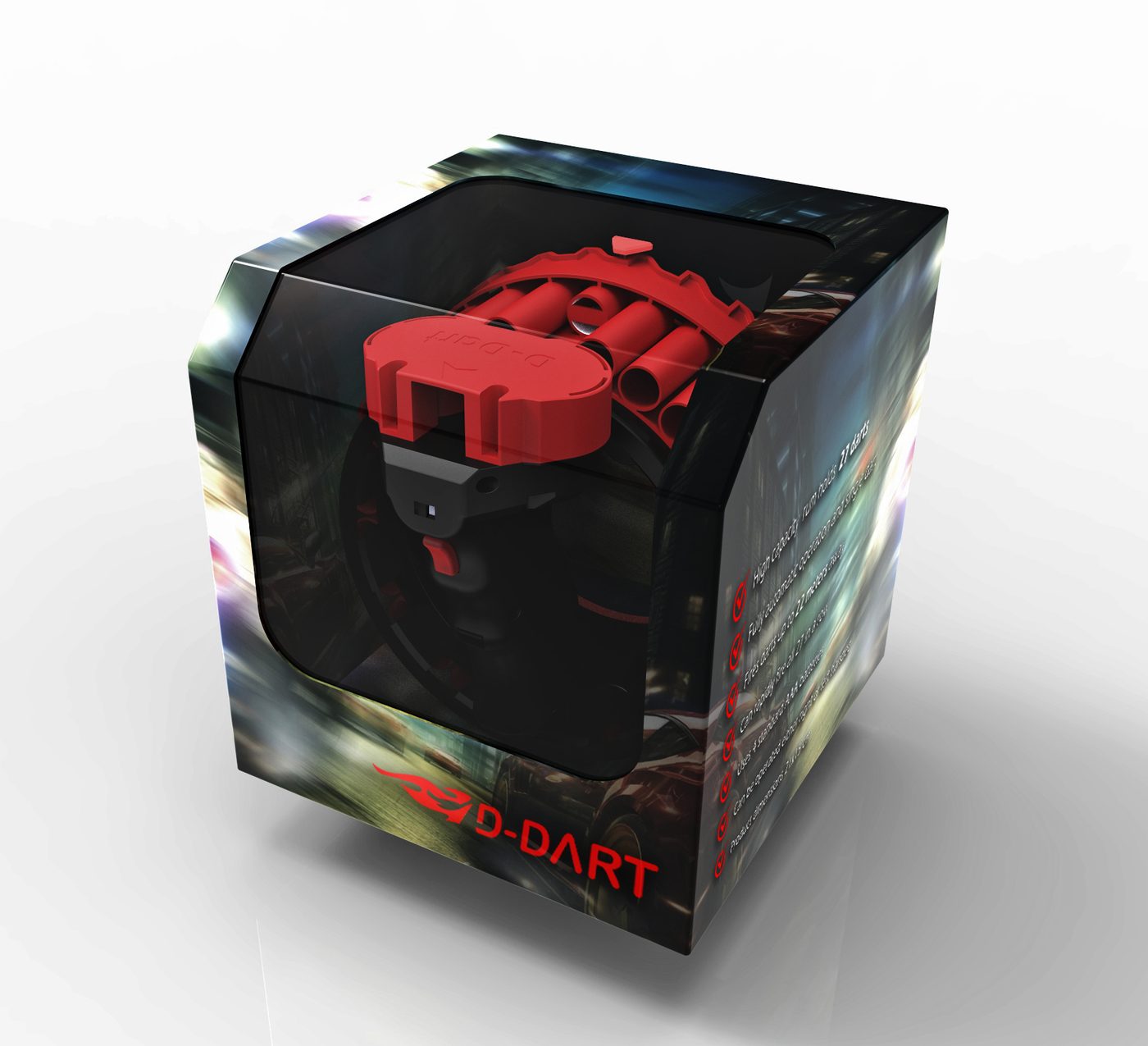
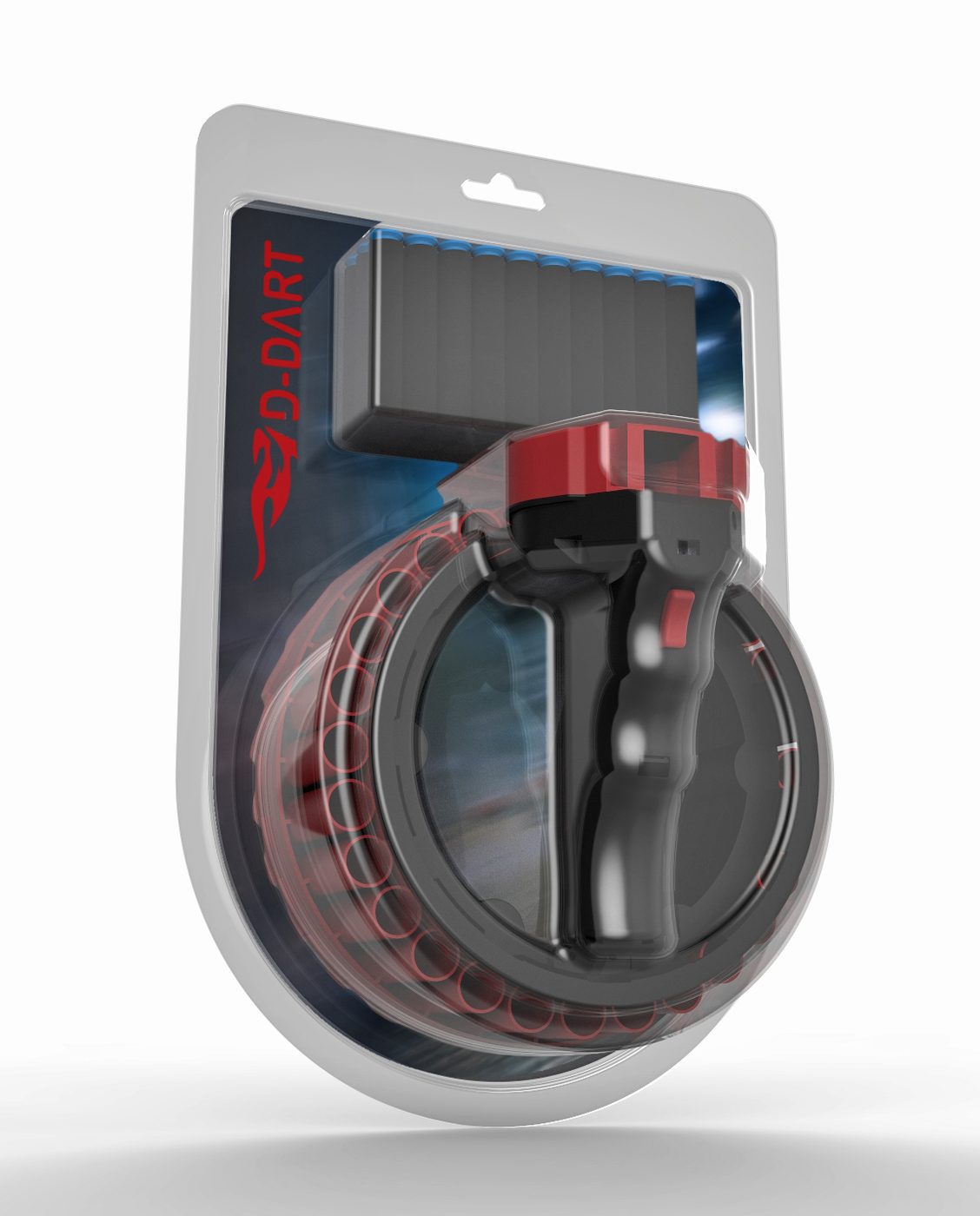
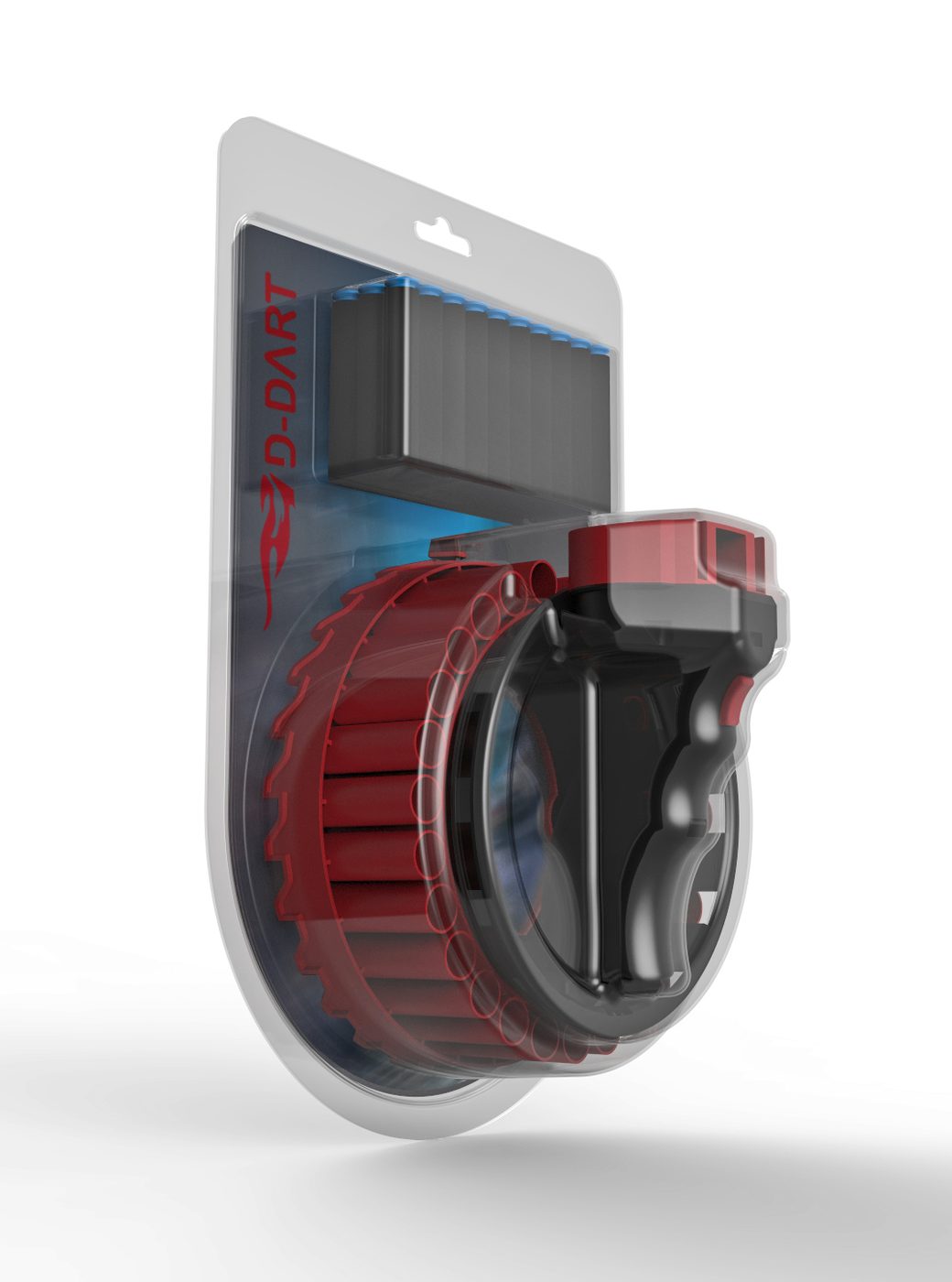
D-DART became one of the standout success stories to come out of our office, reaching the shelves of major retail chains worldwide — proof of what a disciplined path from idea to product can deliver.
Have a toy or consumer product concept? Contact the Projects House team and let's take it from idea to shelf.
Photos from the project