Project built in collaboration with Gizmo Engineering
The Challenge
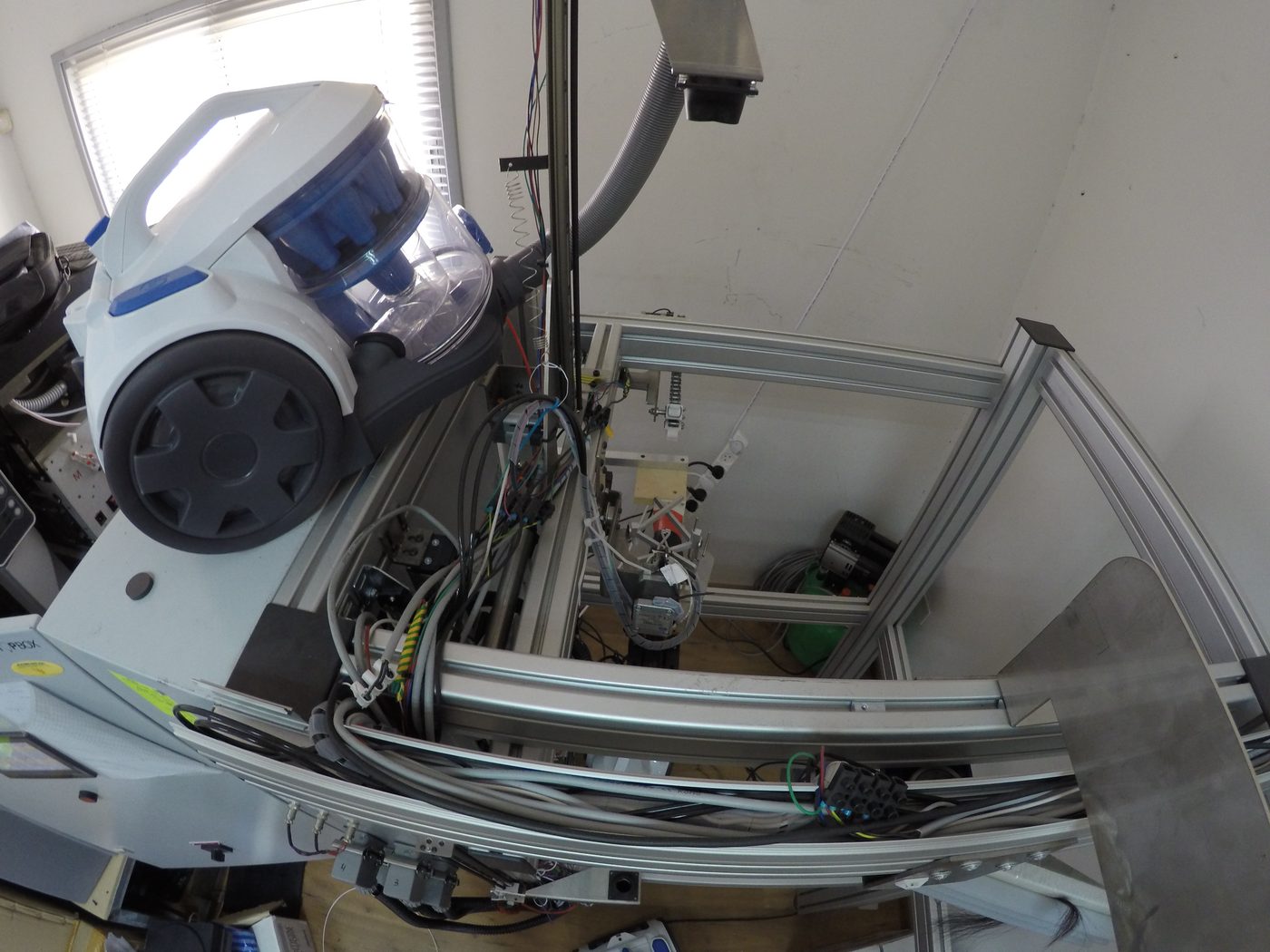
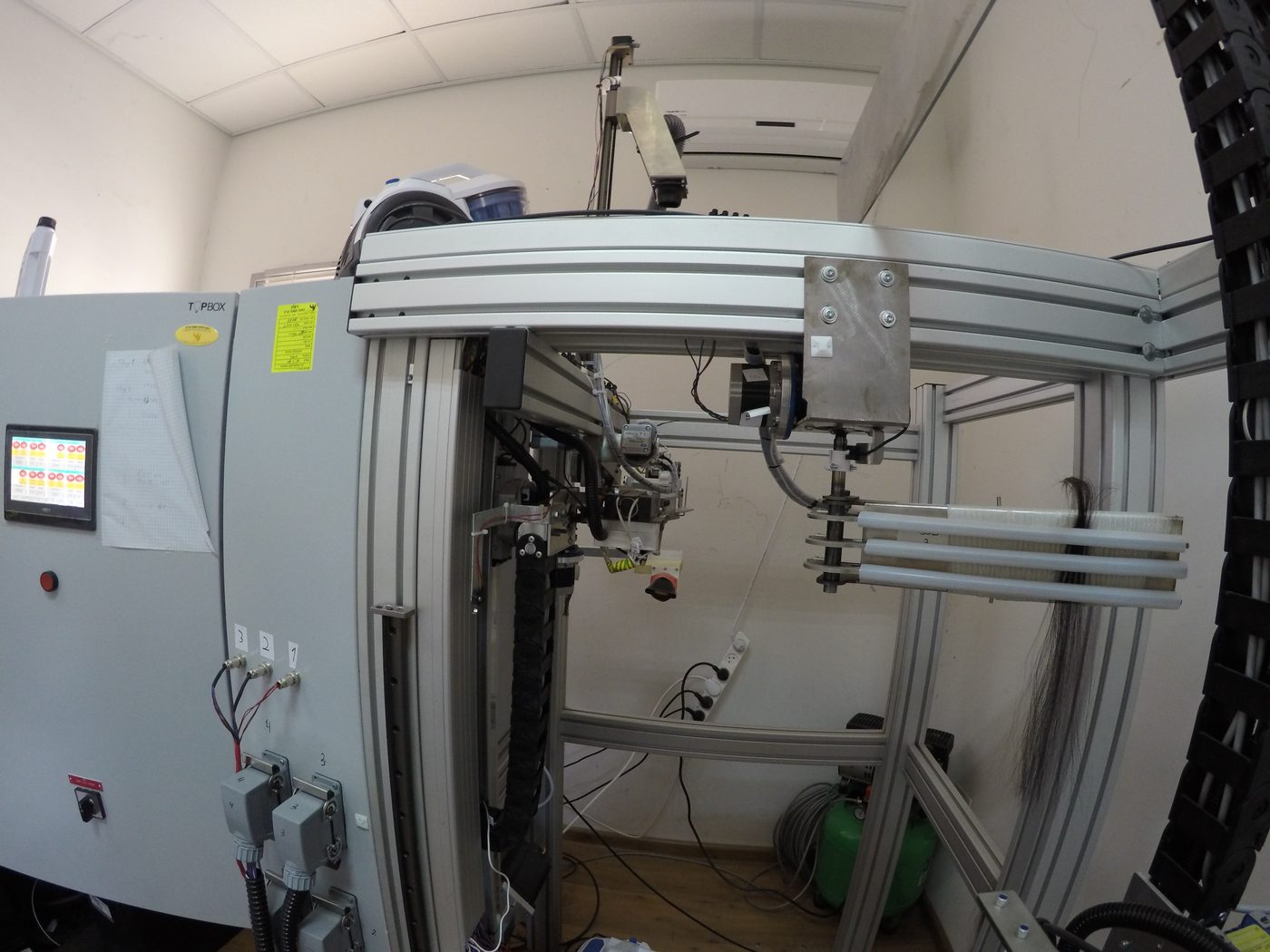
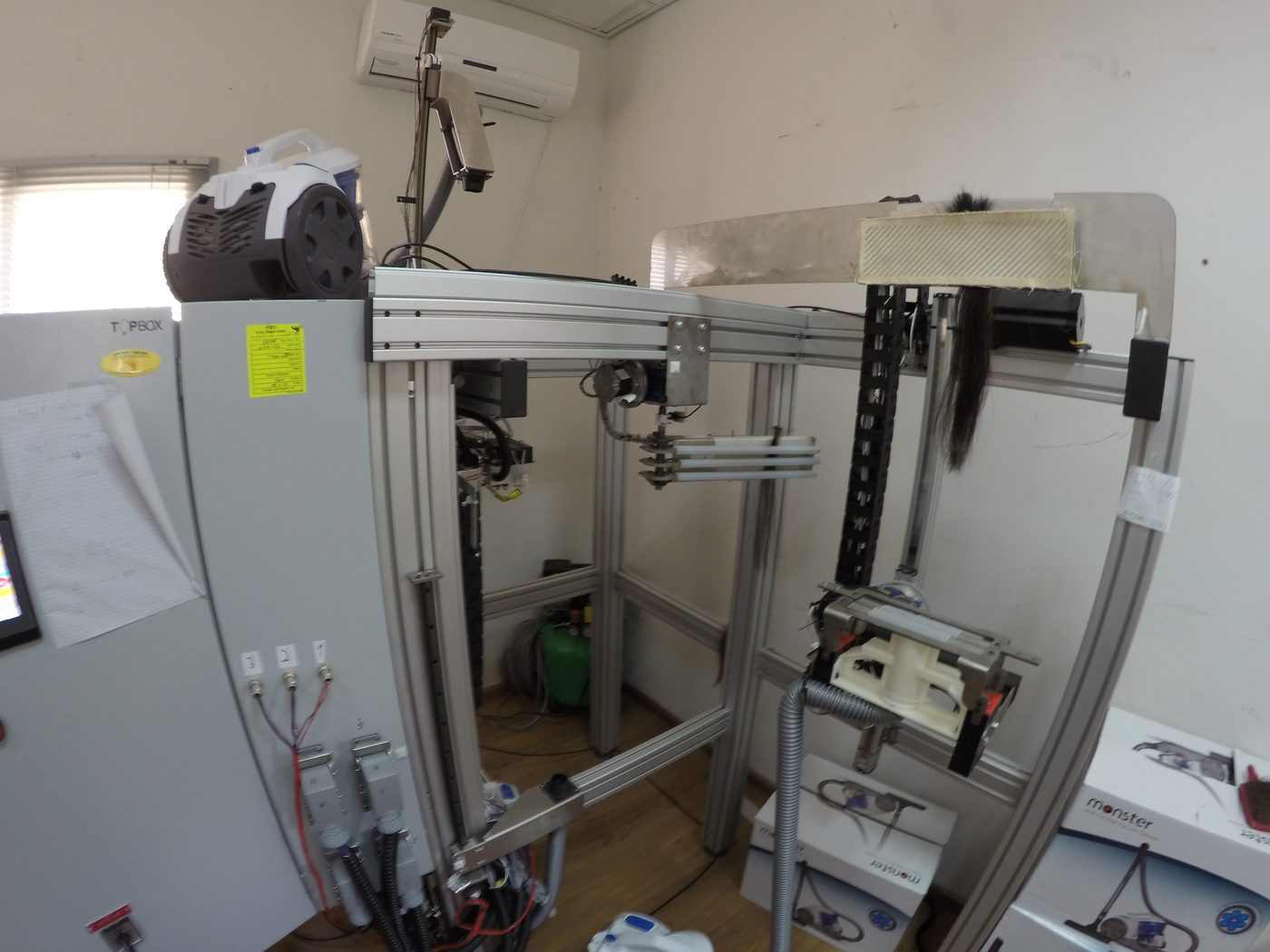
In the hair extension and wig industry, sorting hair by length and tying it into braids is slow, expensive handwork. This project is an industrial machine, not a consumer product — so every yardstick is different: throughput per hour, changeover time between batches, and scrap rate. The core difficulty is the material itself. Hair is not a rigid part: it is flexible, sticks to itself, tangles, and changes behavior with humidity. An automated system handling such material cannot rely on precise positioning the way a machine handling metal parts can.
The Engineering Solution
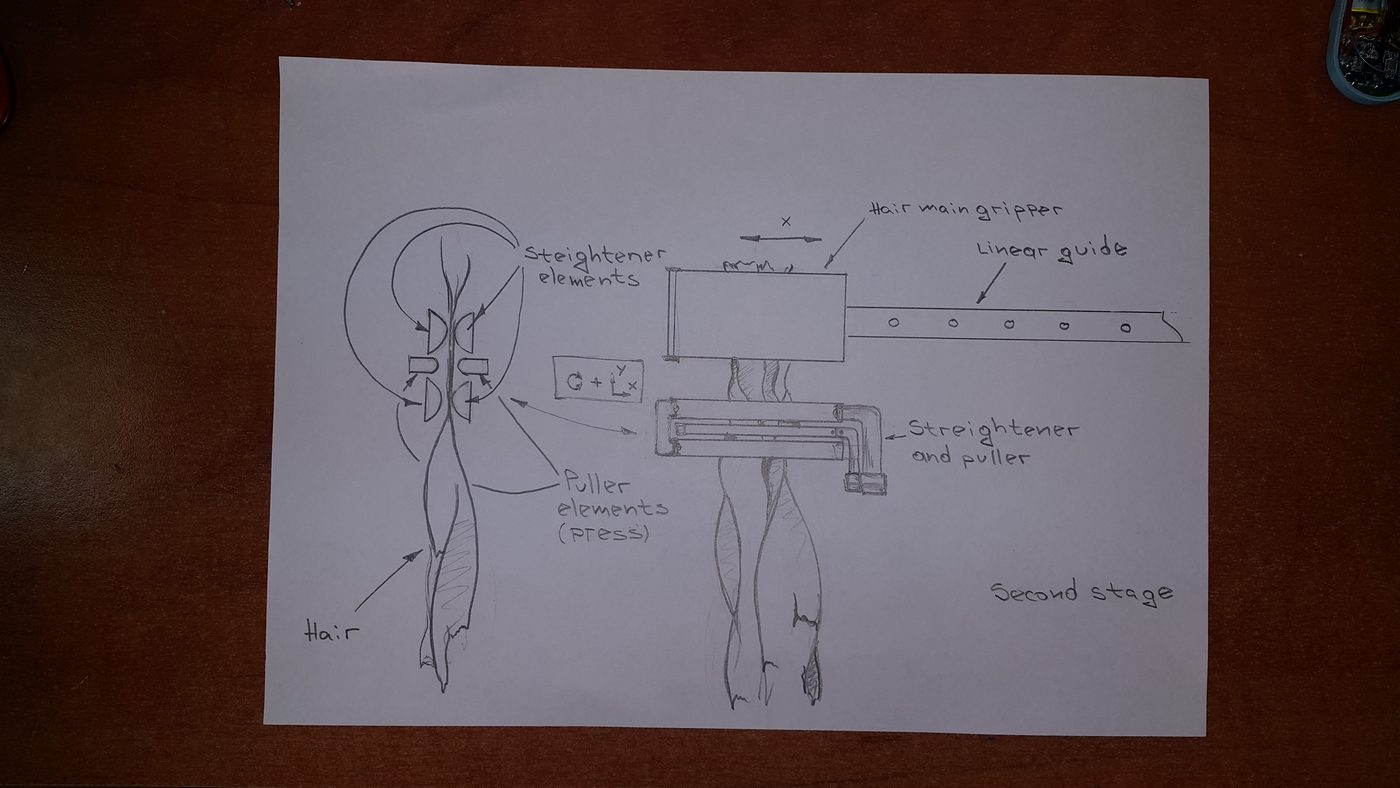
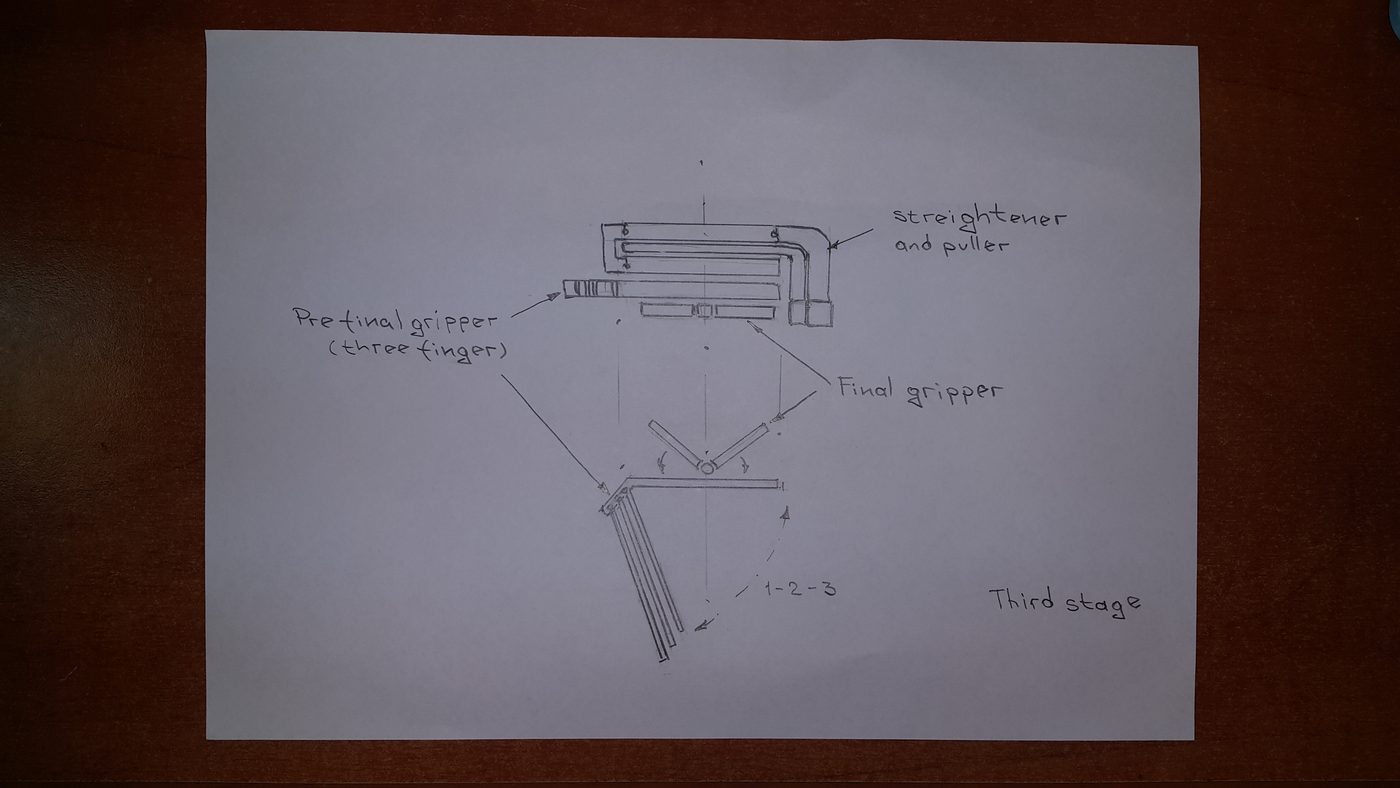
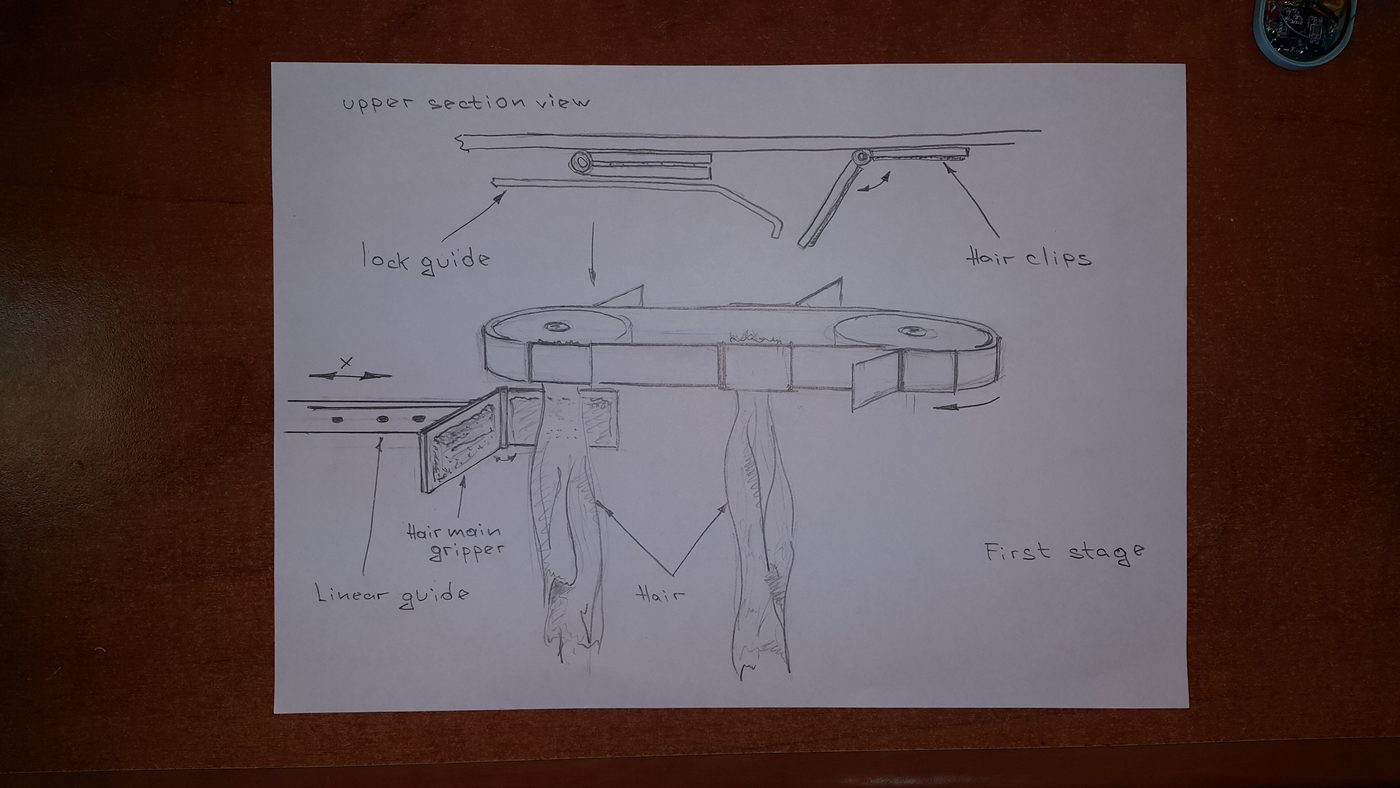
The machine pairs two drive technologies, each where it excels. Servo motors handle motions that demand accurate, controlled positioning — sorting by length, positioning the braid, and delicate moves where excess force would damage the material. Pneumatic systems handle gripping and clamping actions that need fast, strong force — tightening, cutting, and tying. Pneumatics is cheap, quick, and rugged in an industrial environment, and its force is inherently limited — a safety advantage. The split is not obvious: an engineer who solves everything with servos gets an expensive machine that is slow at the force operations; one who solves everything with pneumatics loses the precision. Choosing correctly for each motion is the essence of the engineering here.
Development Scope
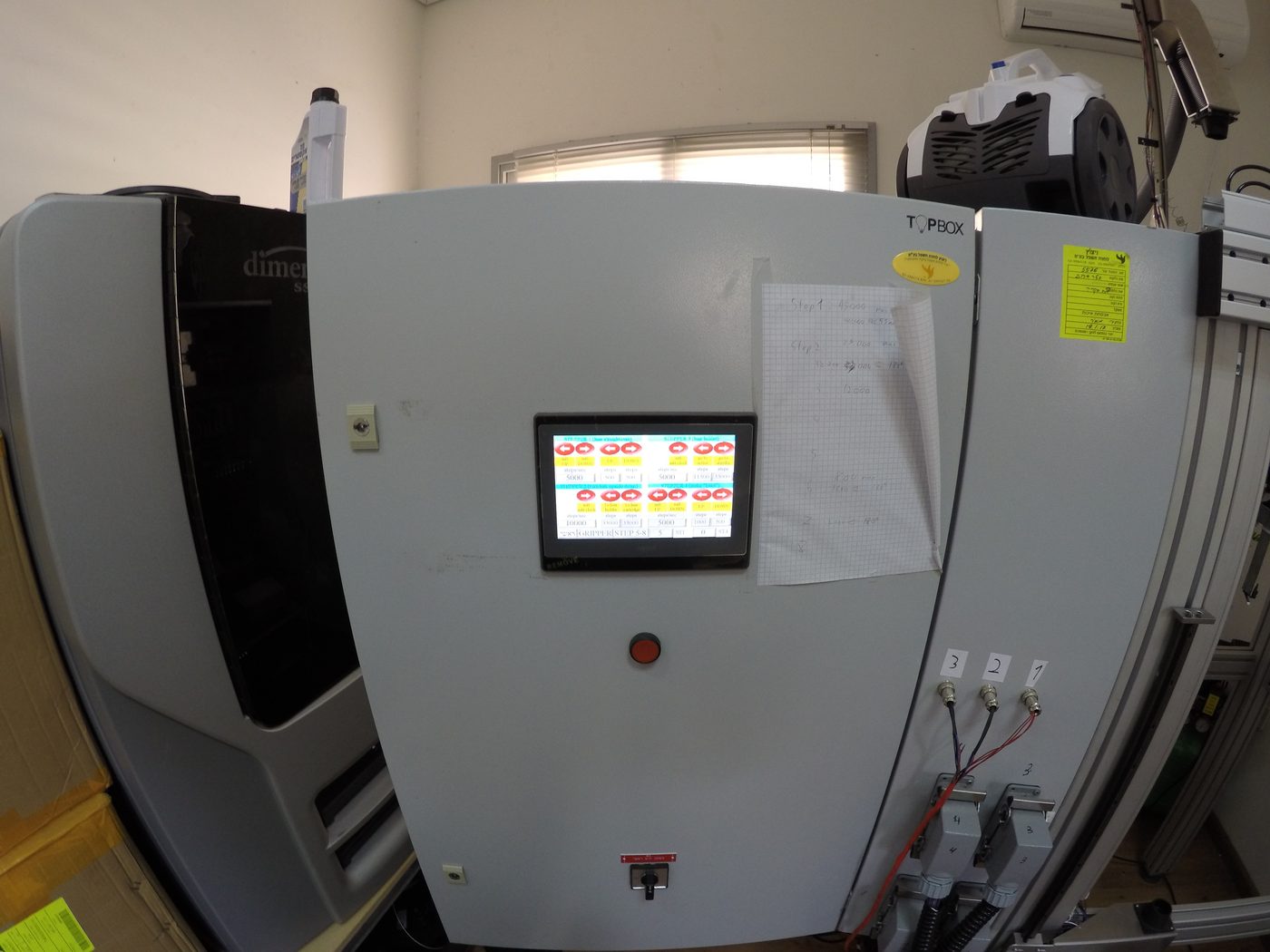
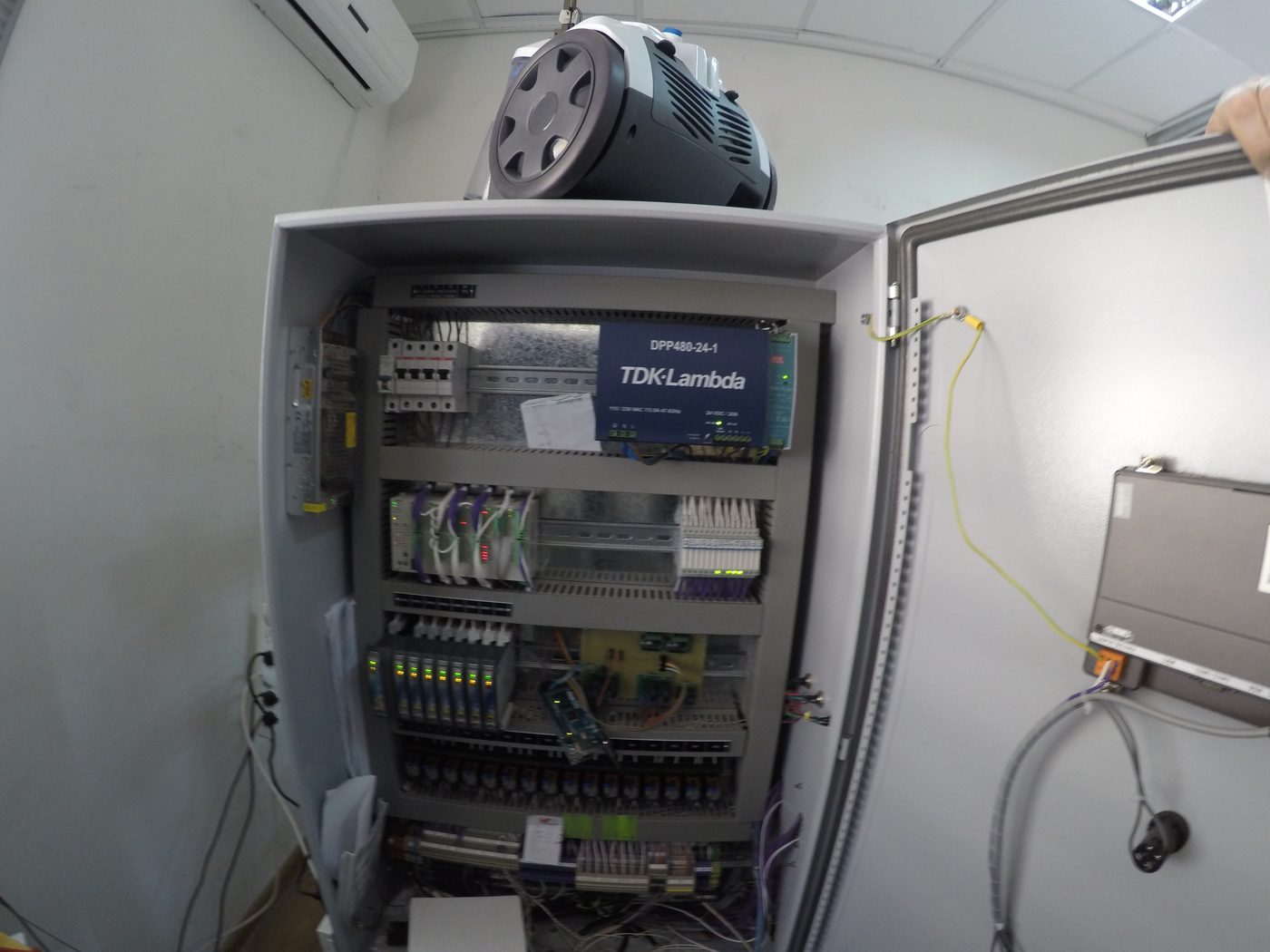
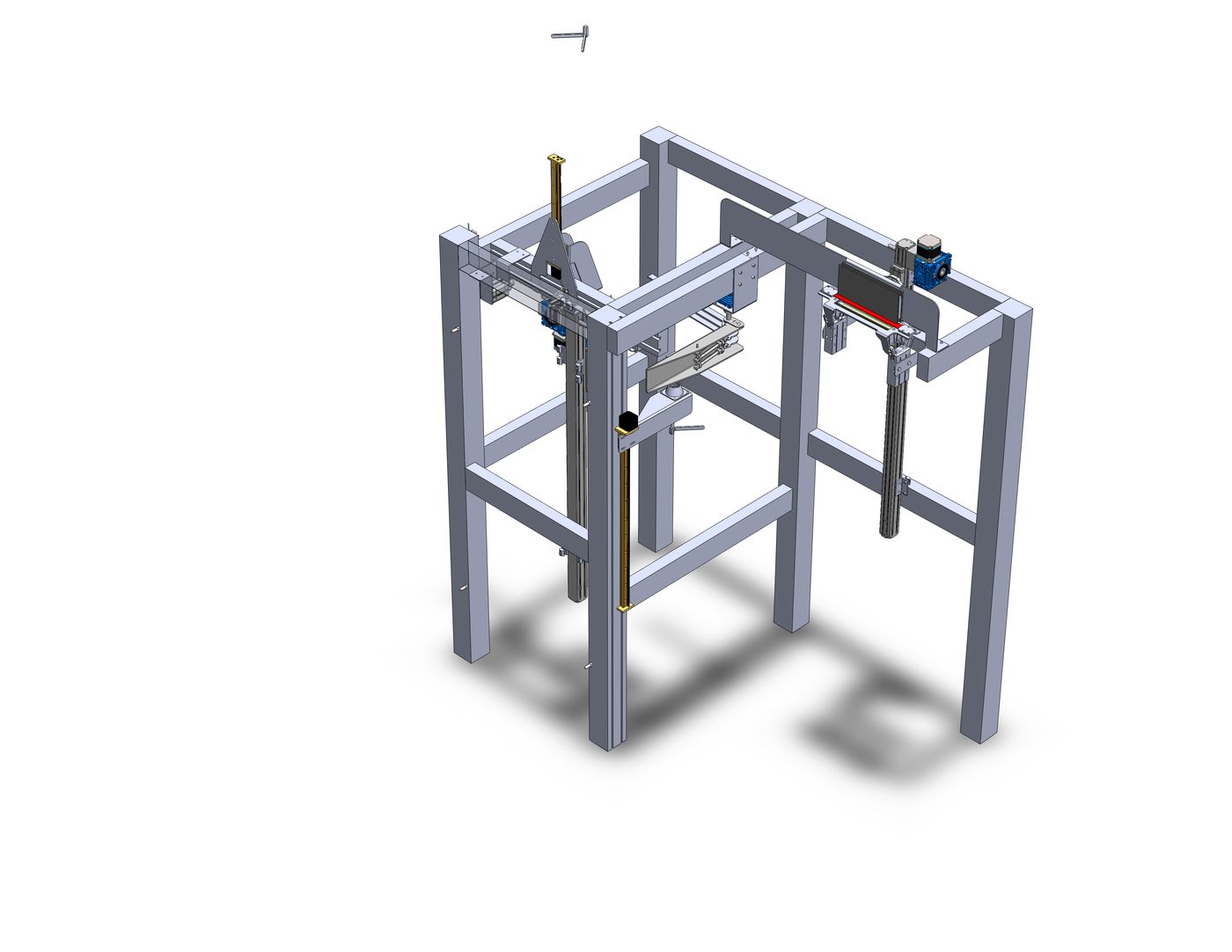
The work covered machine design — structure, power transmission, and station synchronization, see mechanical engineering; industrial control coordinating the servos and pneumatics, including jam handling and emergency stop; sensors measuring length and confirming material presence before every operation; and machined parts for the precision stations — see manufacturing technologies.
What Separates a Machine That Works from One That Produces
A prototype machine has to complete one cycle. An industrial machine has to complete thousands without intervention — and the difference is all the fault handling: what happens when material jams, when a braid comes out wrong, when a sensor gets dirty. Most of the engineering time in a project like this goes not into normal operation but into detecting anomalies and recovering from them.
Who This Is Relevant For
Factory owners and entrepreneurs who spot a repetitive manual process in their field. Projects like this pay back through labor savings, and their justification is a throughput calculation — not novelty. See our perspective on new product development.
Have a manual process worth automating? Contact Projects House and let's run the numbers.
Photos from the project