Background
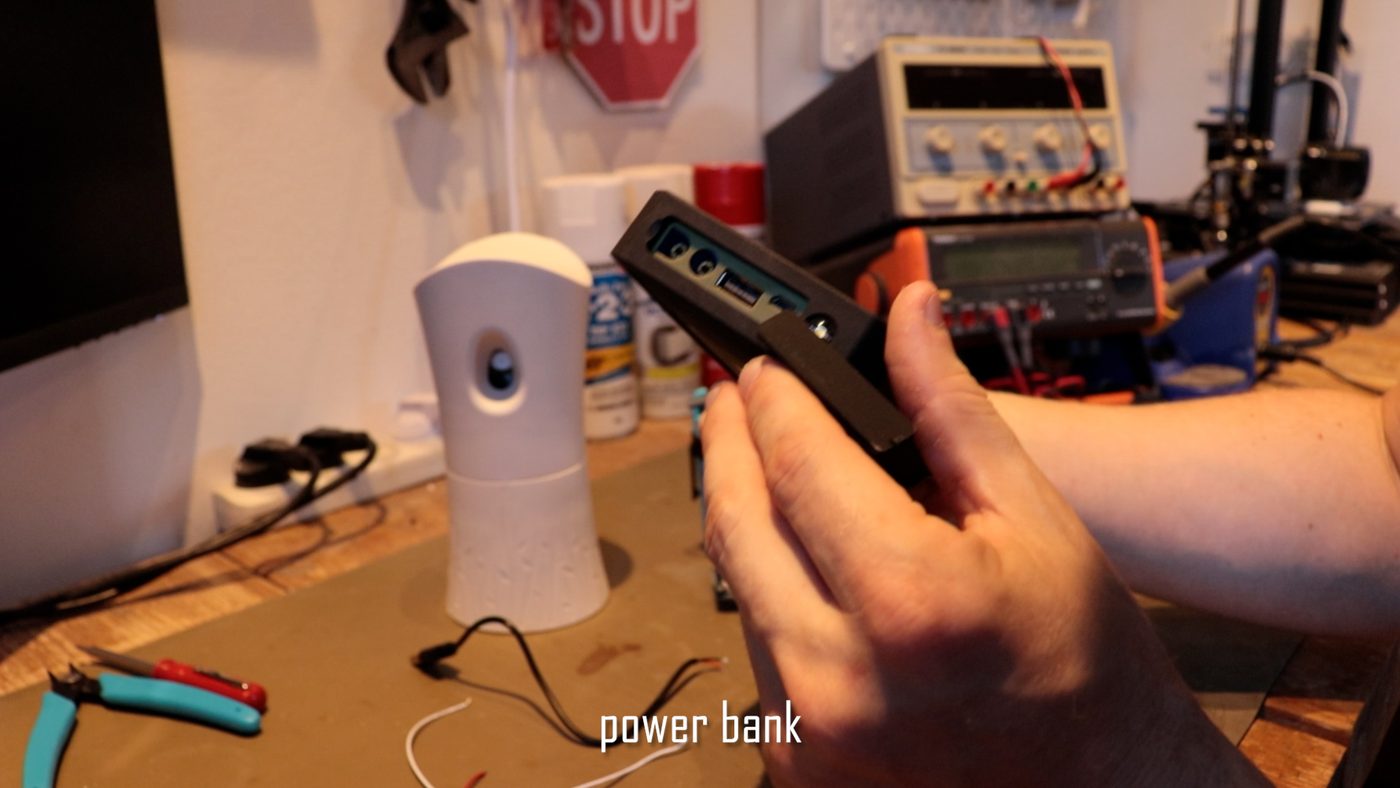
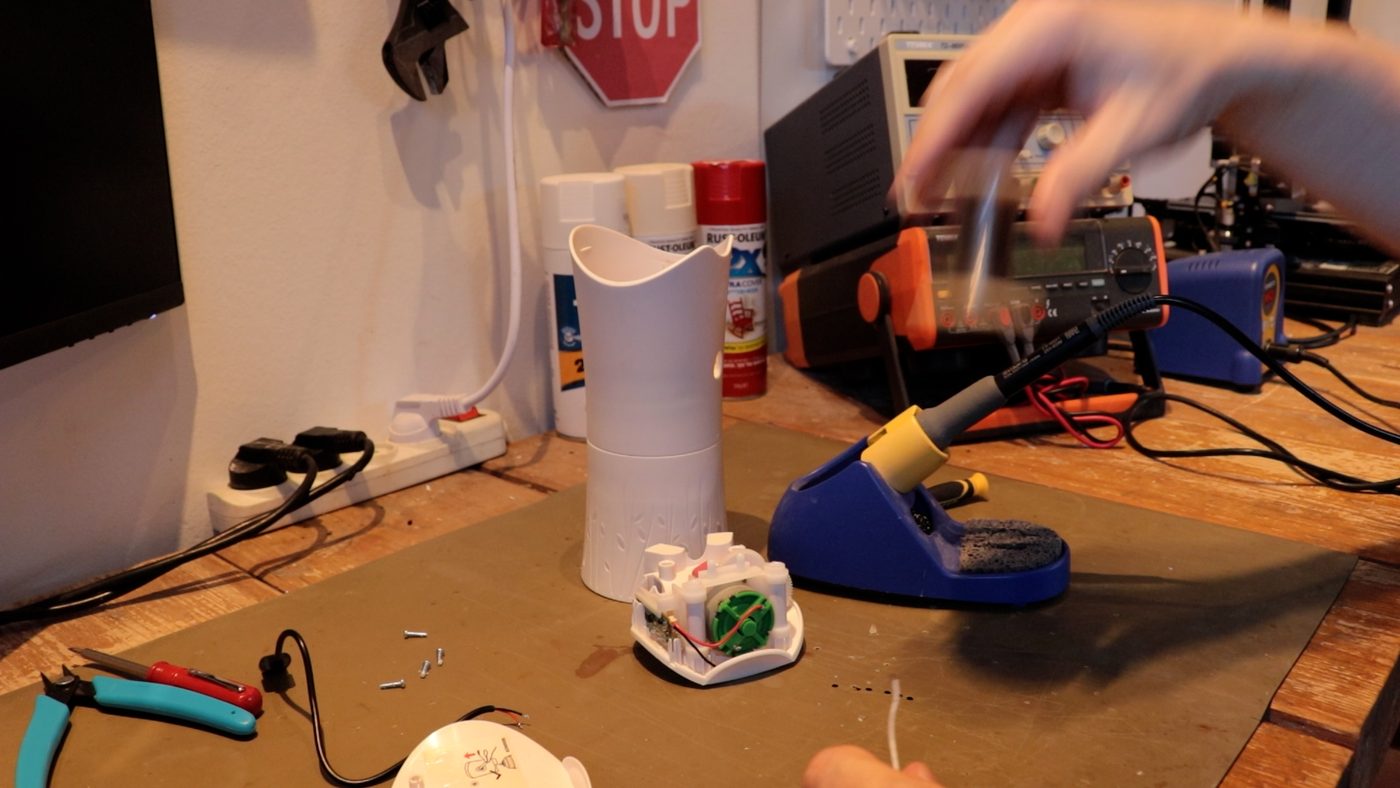
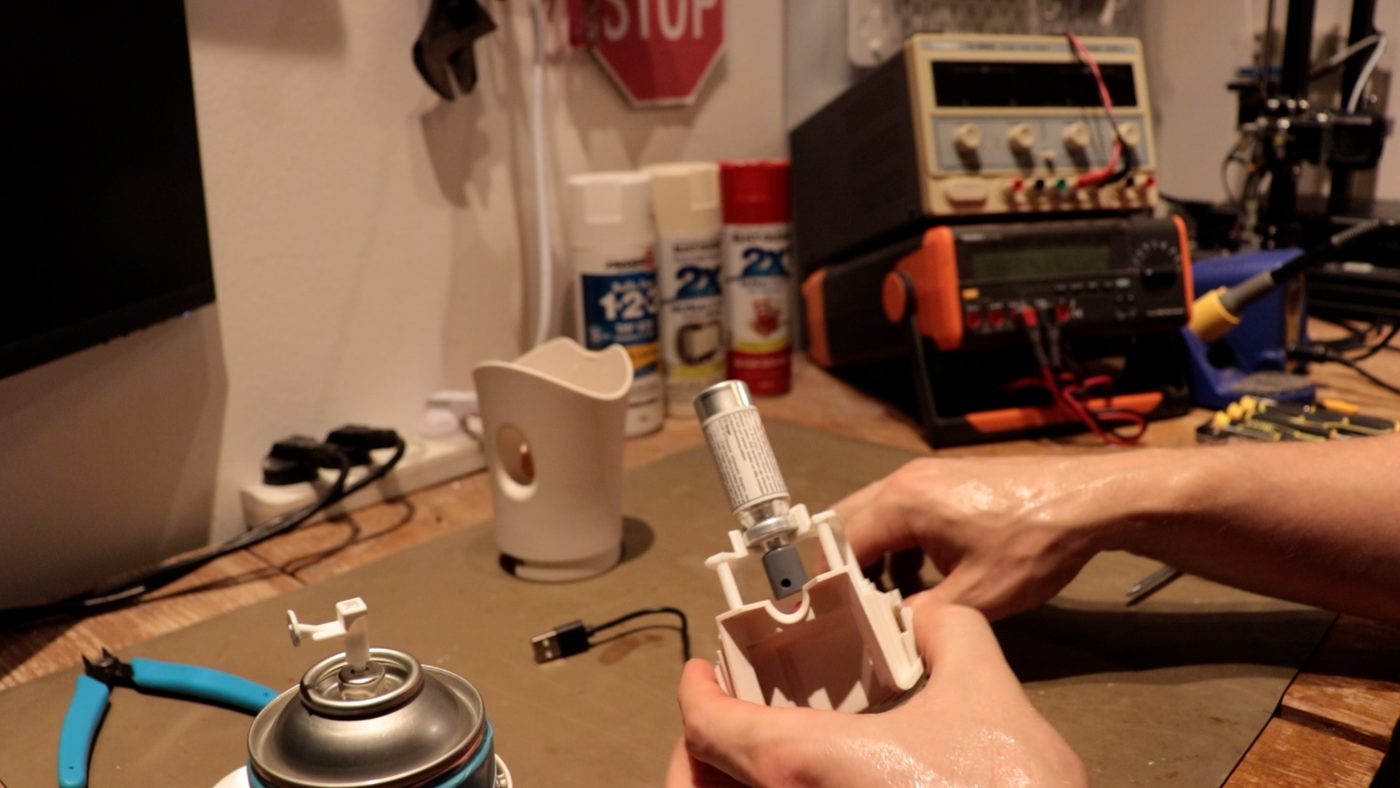
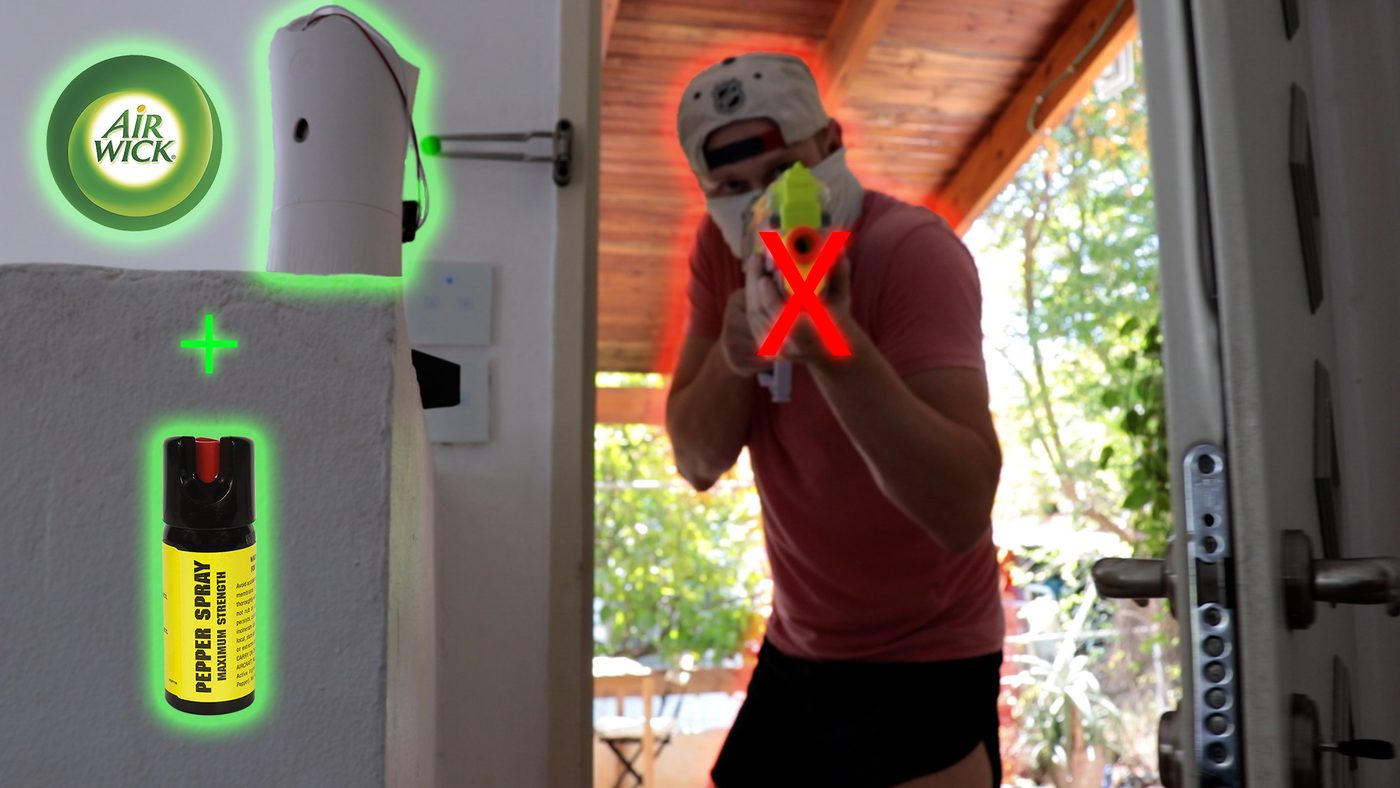
This project was born from a home-security need: a simple home defense device that a person can assemble on their own, from readily available components, with no engineering background and no special equipment. The goal was never a retail product — it was an open design: 3D-printable part files, a bill of off-the-shelf materials, and assembly instructions. That makes it different from every other project on this page: no injection molds were made and no production run was planned, and the measure of success was how easily it could be built at home.
Why Design-for-DIY Is Different
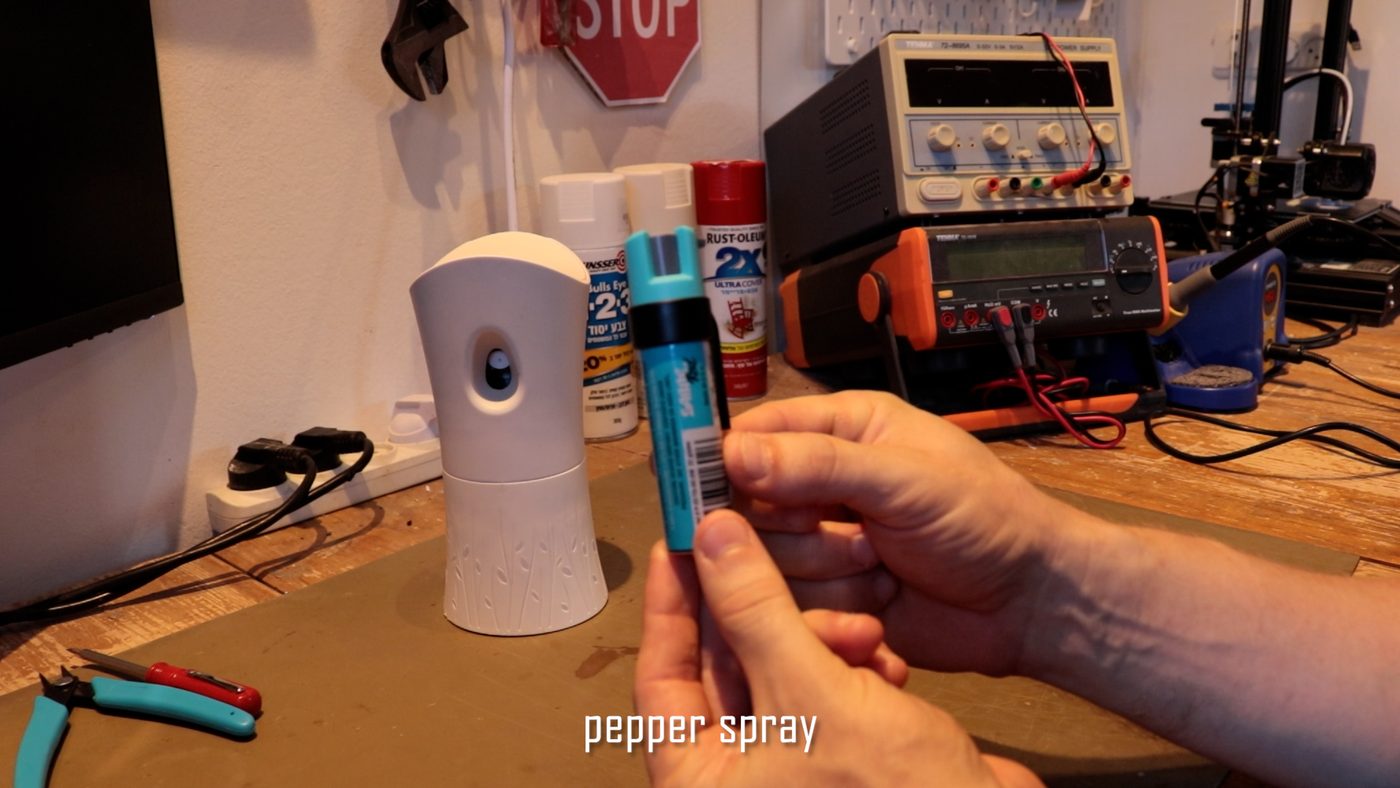
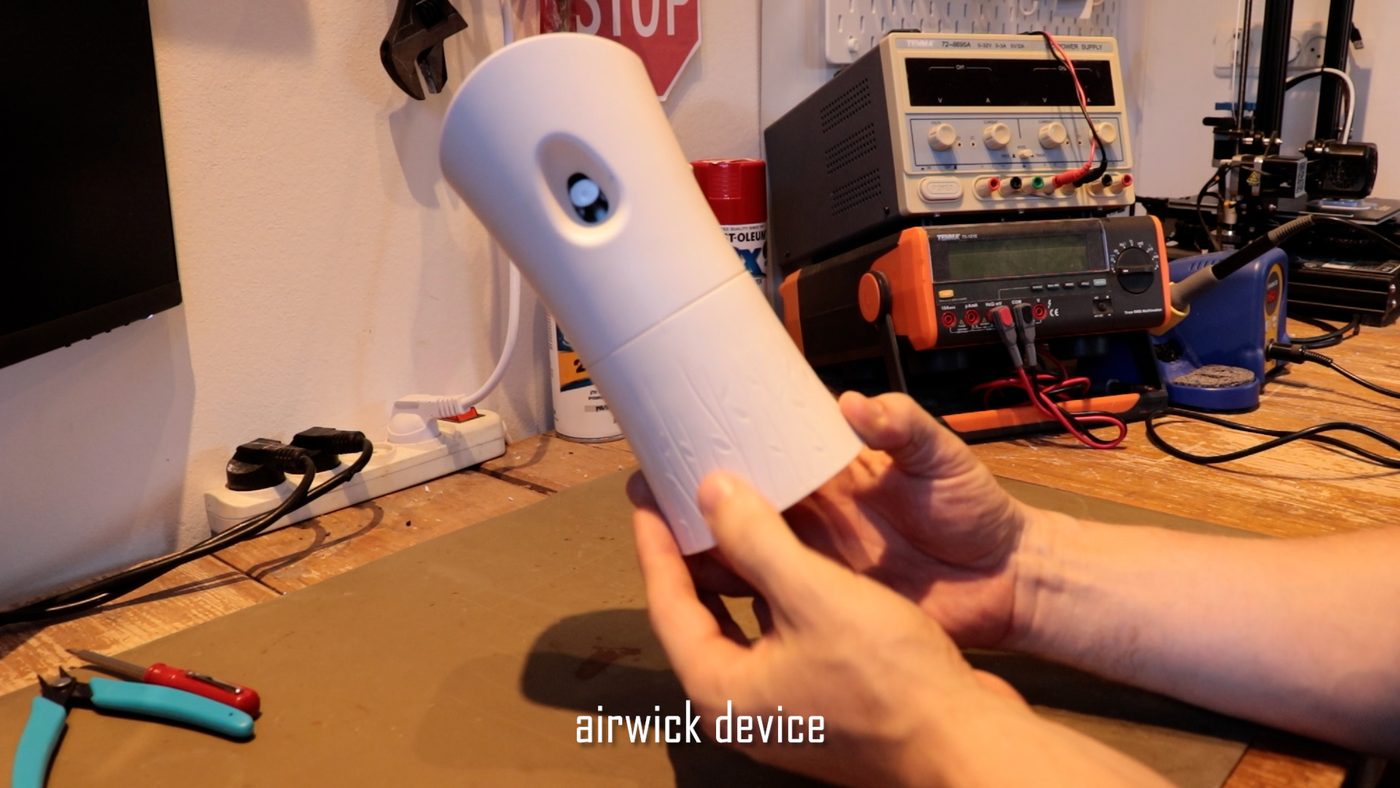
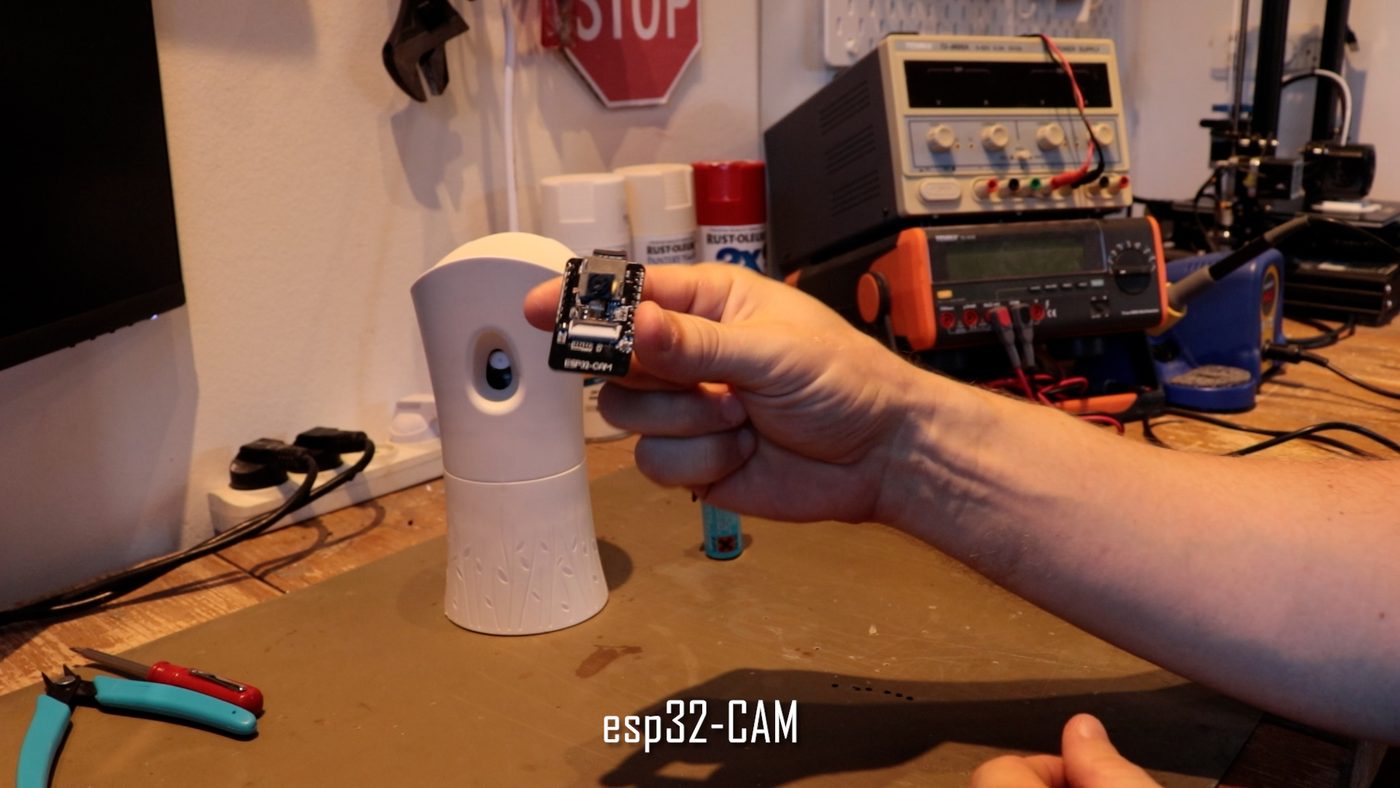
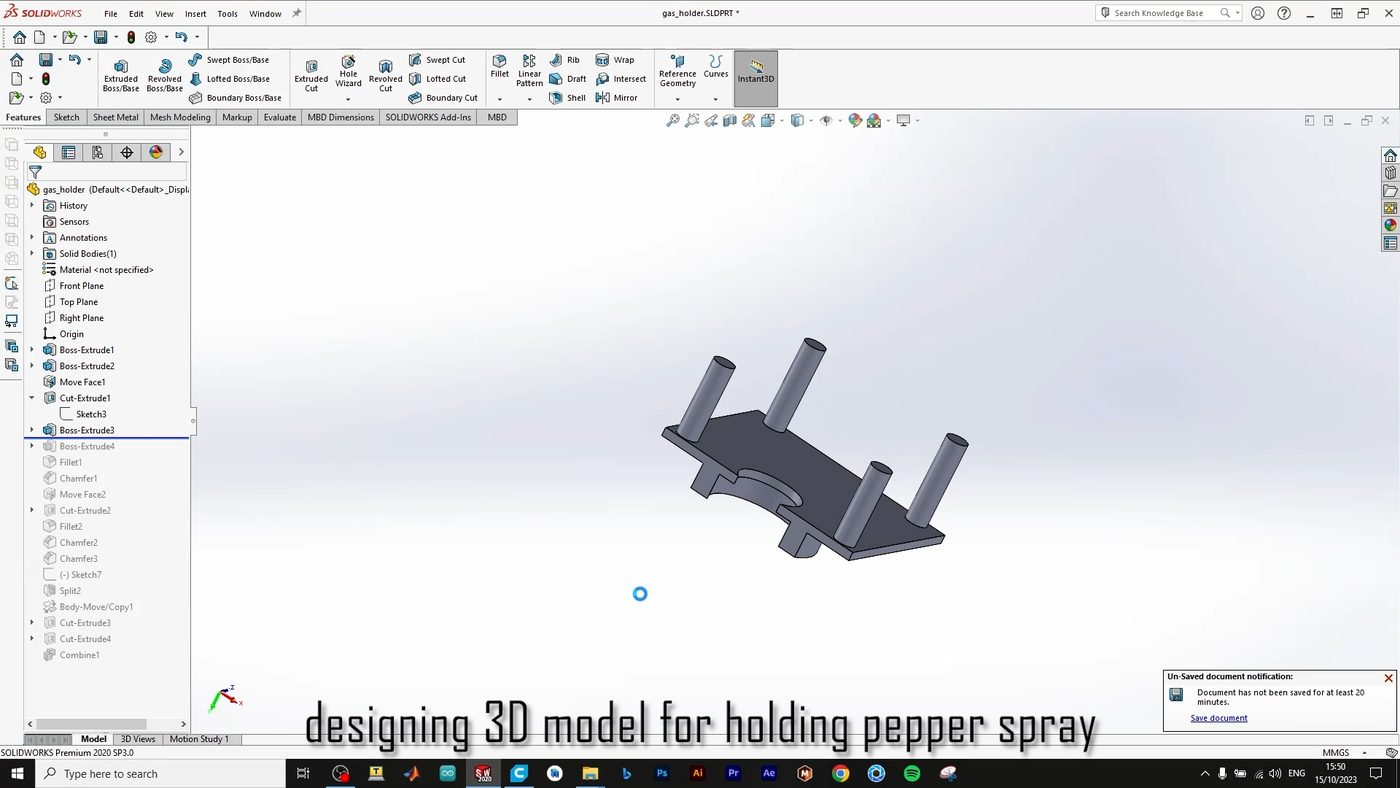
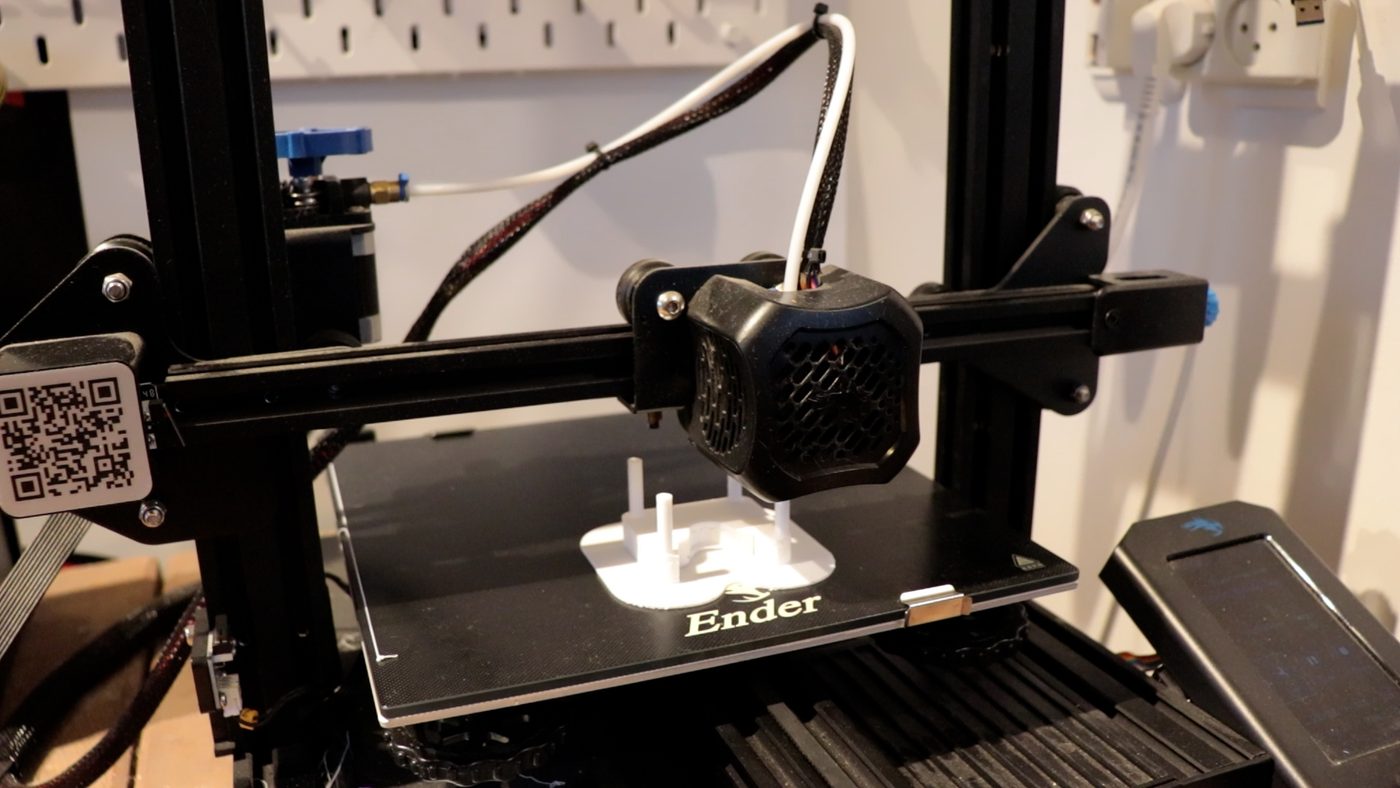
The engineering assumptions flip. In a retail product a custom molded part is fine because its cost spreads across thousands of units. In a self-assembly design, every unique part is an obstacle and every non-standard screw is a reason someone gives up. So the design followed four rules: off-the-shelf components only — motors, controllers, and power sources available at any electronics shop; printed parts that need no support structures, so they succeed on a basic home printer, an approach we cover in our 3D printing articles; generous tolerances, because home printers vary widely in accuracy; and assembly with basic tools — a screwdriver and a hex key, no soldering marathons or calibration steps.
The System
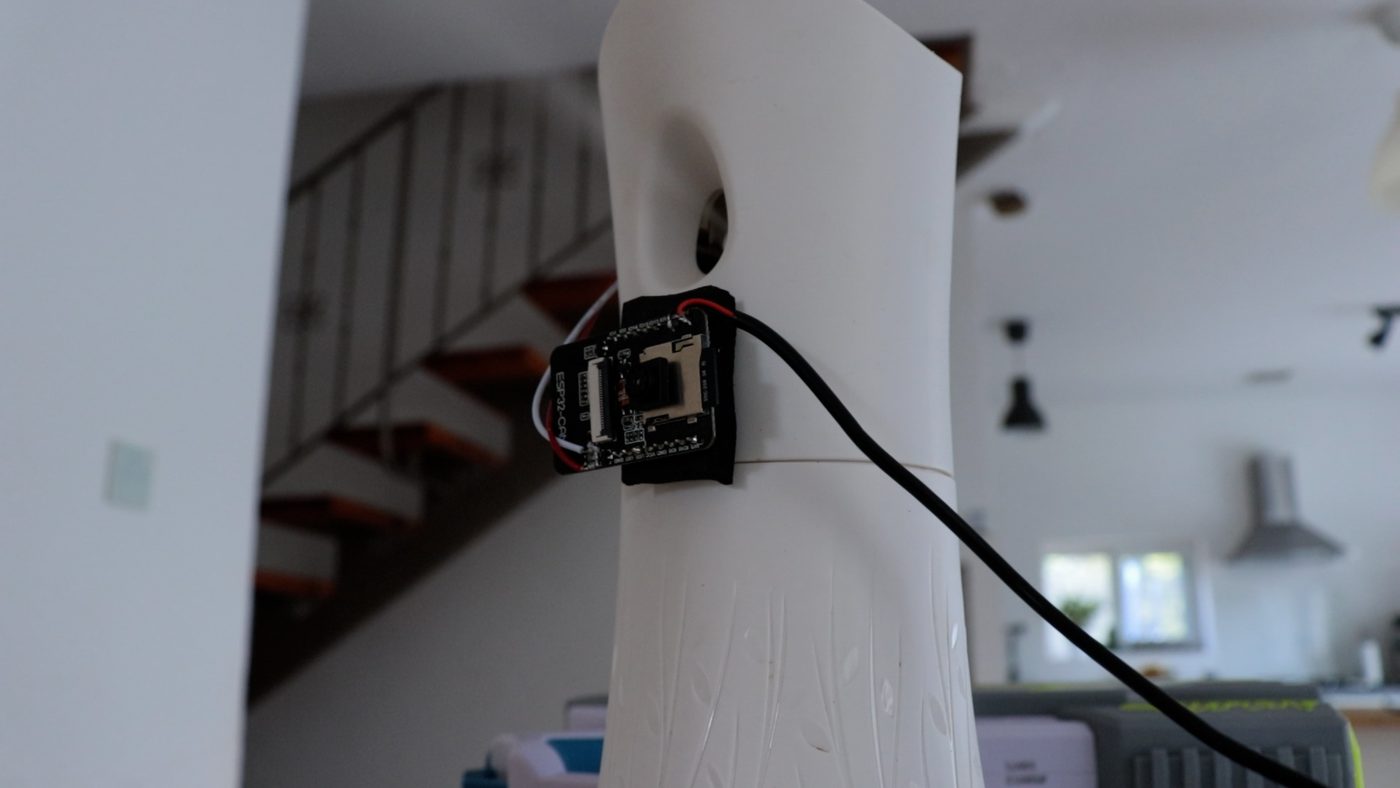
The device combines a mechanical mechanism, a simple controller, and remote activation. The central engineering decision was where the logic lives: every function related to safety and activation is implemented in the device's own hardware and firmware, not in a phone app — a device that depends on a wireless connection to function is not dependable when you need it. We expand on that principle in app development.
A Note on Responsibility
Any defense measure is subject to the laws and safety rules of the place where it is used, and a self-assembly design shifts responsibility to the builder. The project therefore emphasized design features that prevent accidental activation — limits built into the mechanism itself, not just into the instructions. A good DIY project is a hard test of design quality: if assembly isn't self-explanatory, the product fails — the same thinking behind taking an idea to product.
Working on a product that has to be simple, robust, and buildable? Contact Projects House through our form.
Photos from the project