The Idea
Depth mapping of a bottom surface — bathymetry — is usually done from a boat with sonar, a slow and expensive process poorly suited to shallow water. The client asked for a different approach: a light, low-cost system that mounts on a drone, scans the body of water from the air, and maps the depth without touching the water at all.
How It Works
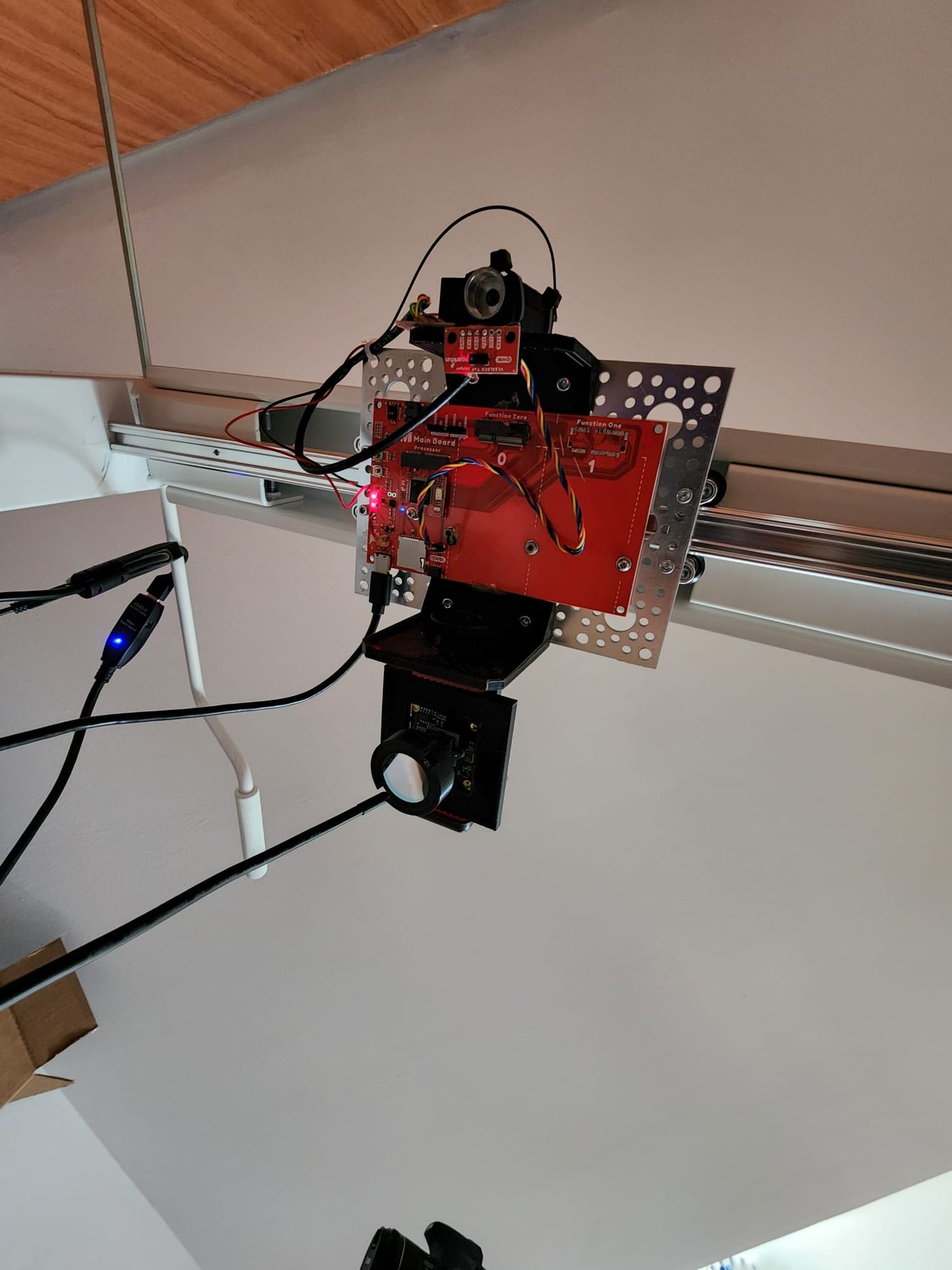
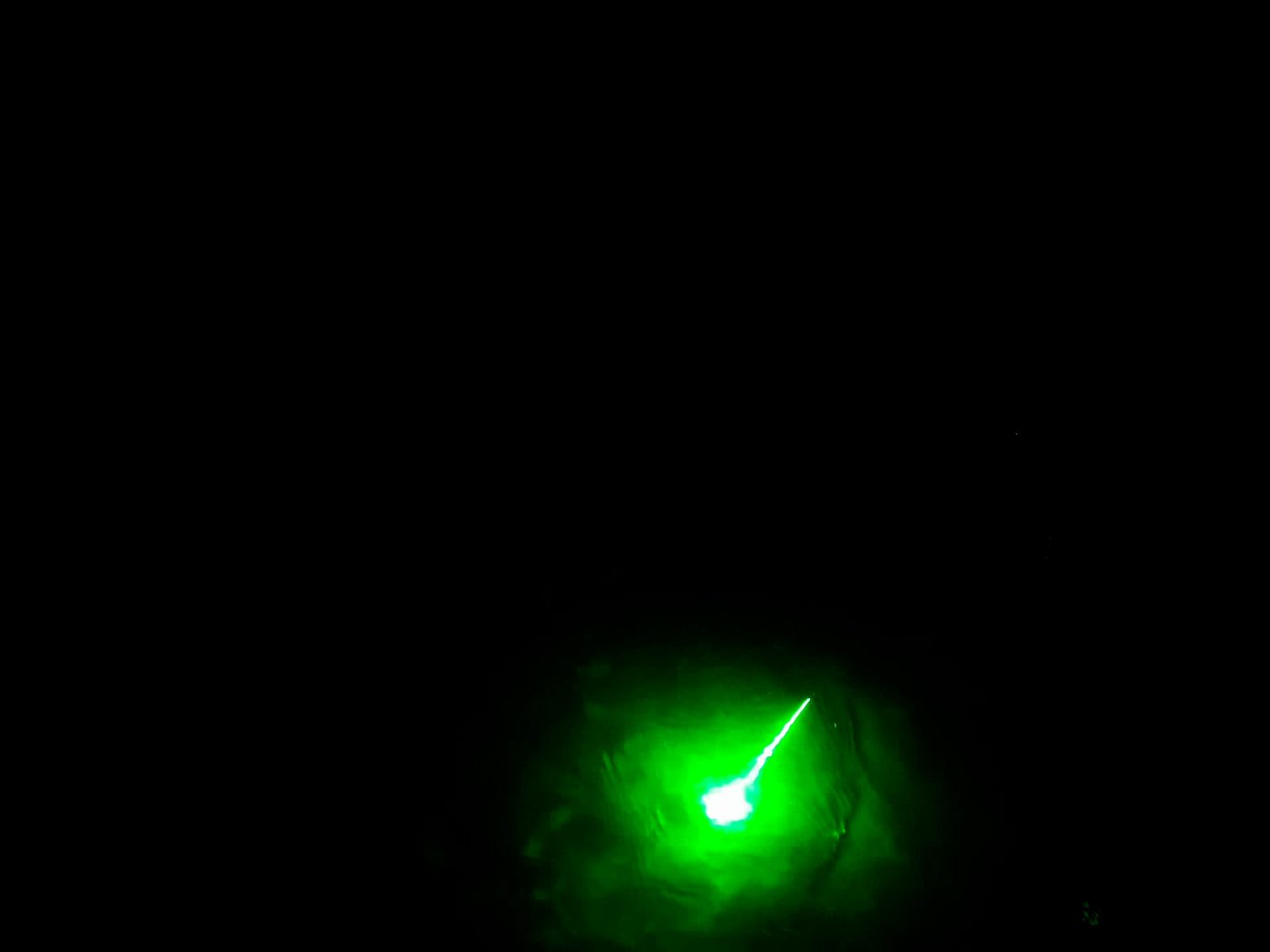
The system combines a green laser, a camera with a narrow optical filter that passes only the laser's wavelength, a range sensor measuring altitude above the water surface, and a processing unit with navigation sensors. The laser beam refracts as it crosses from air into water, and the position of the spot on the bottom — as the camera sees it — shifts with depth. From the refraction geometry, the known altitude, and the angle, an image-processing algorithm computes the water depth at every measurement point. Fusing sensing and processing this way is a recurring theme in our electronics development work.
From Idea to Experiment
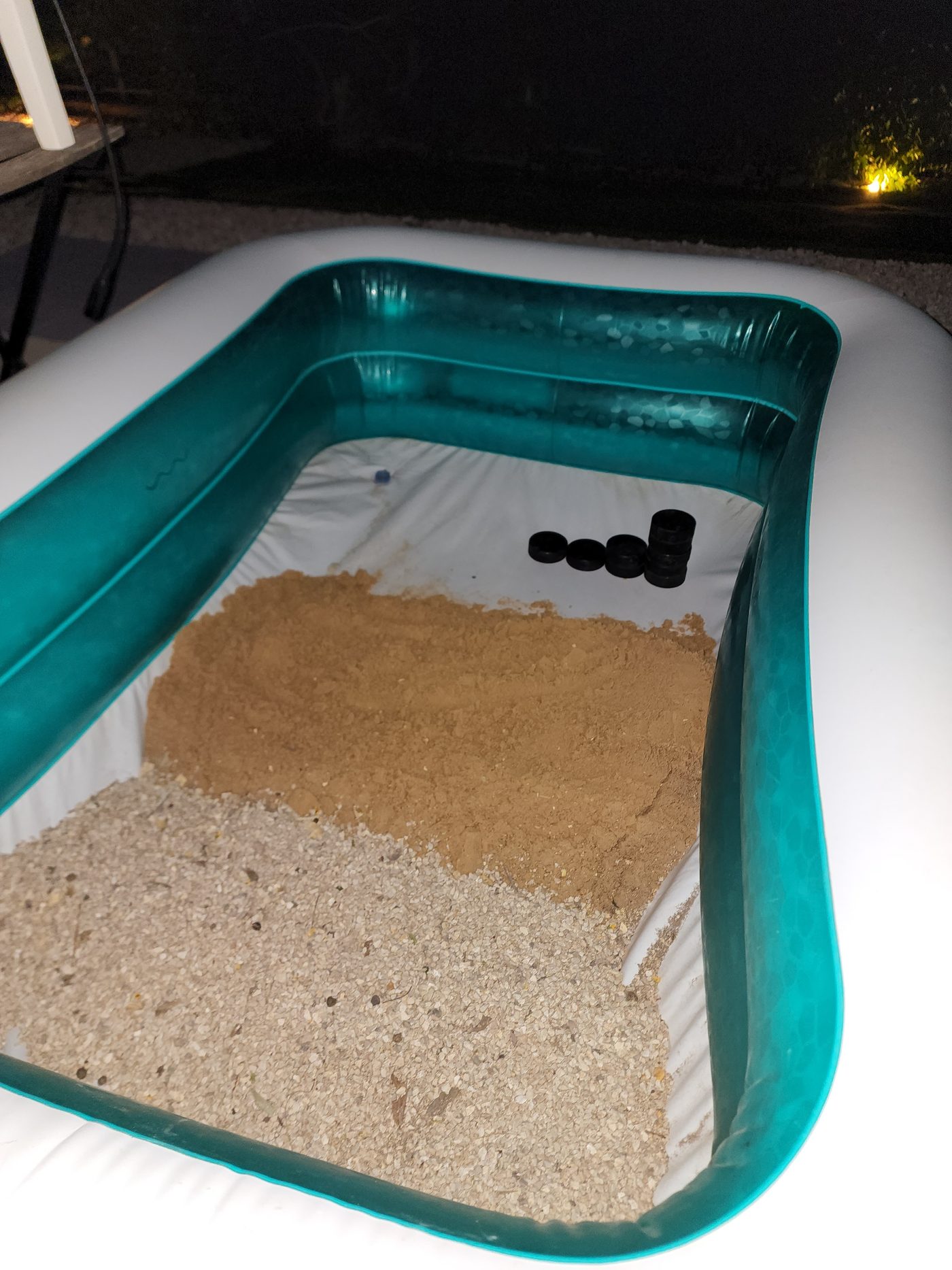
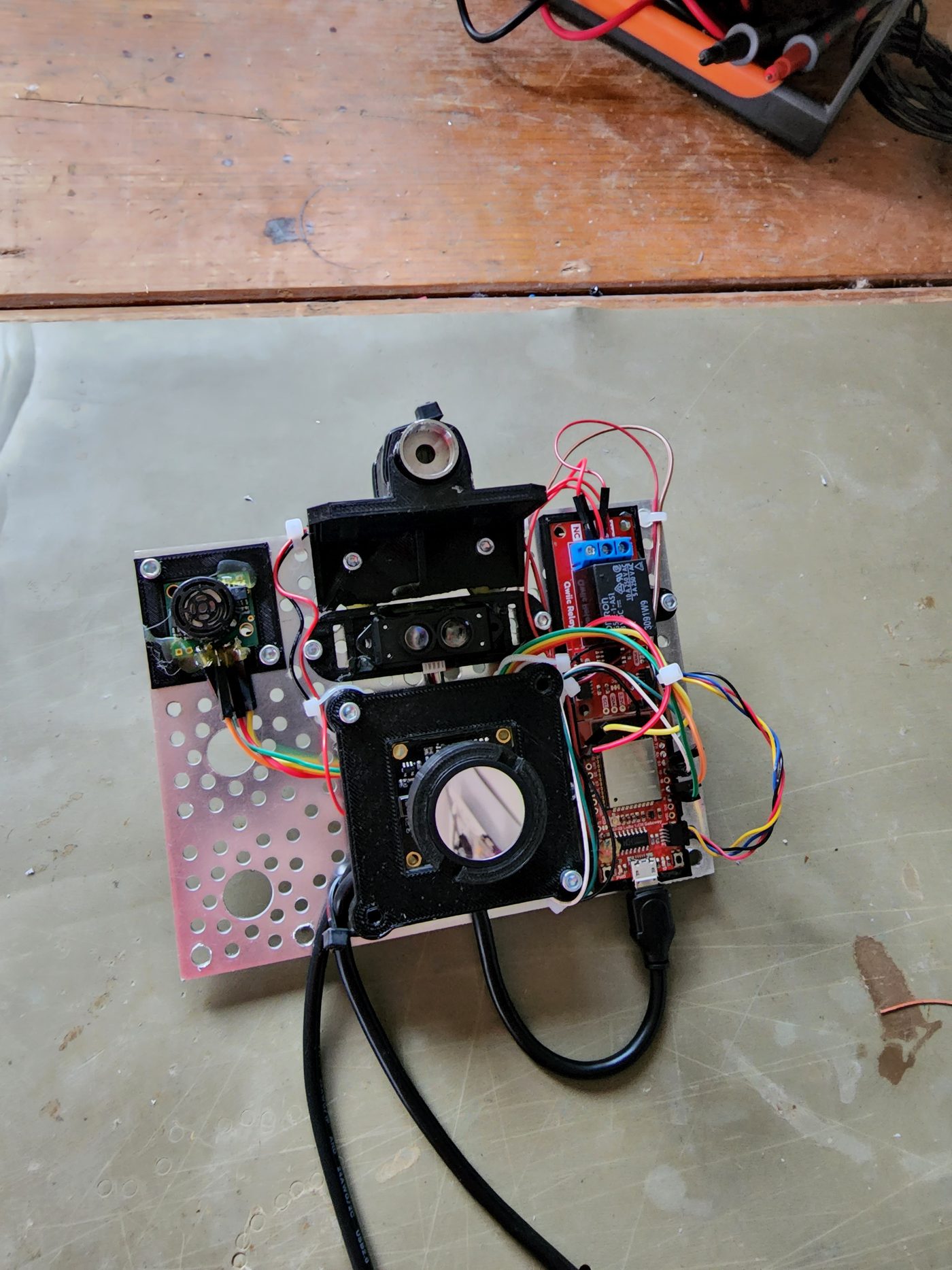
As with any first proof-of-concept, the first question was whether the principle works at all — the discipline we describe in turning an idea into a product. We built a lab test platform and a backyard rig over a pool with a sand-and-gravel bed, where known depths could be measured and compared against the system's output. The experiments confirmed the principle: the system resolved bottom-height differences of a few centimeters, including an object about one inch tall, and distinguished sandy areas from rocky ones. Testing the biggest risk first is exactly the process we lay out in prototype development.
Development Scope
The work spanned optics and sensing — selecting the laser, filter, and lenses and tuning them for changing light conditions; electronics integrating the camera, range sensors, and processing unit; algorithms that locate the laser spot and compute depth in real time; and a lightweight mechanical platform suited to drone carriage.
Takeaway
The central requirement was low cost — the system is built from available off-the-shelf components, a choice that shapes the design from day one and improves the product's odds in the market.
Have a sensing or measurement concept to prove? Contact Projects House and let's put it to the test.
Photos from the project