Project developed in partnership with Gizmo Engineering
The Need
Israeli homes are built with a reinforced safe room — a concrete-and-steel protected space known as a mamad. Its window is the room's weak point: for the room to actually protect, the heavy steel window must be closed and sealed, yet in everyday life it stays open for ventilation. When a siren sounds there are only seconds to reach the room, and anyone who spends them wrestling a heavy steel window shut loses the most precious ones. The idea: a mechanism that mounts on the existing window and closes it by itself, automatically, the moment an alert is issued for the home's region.
The Engineering Solution
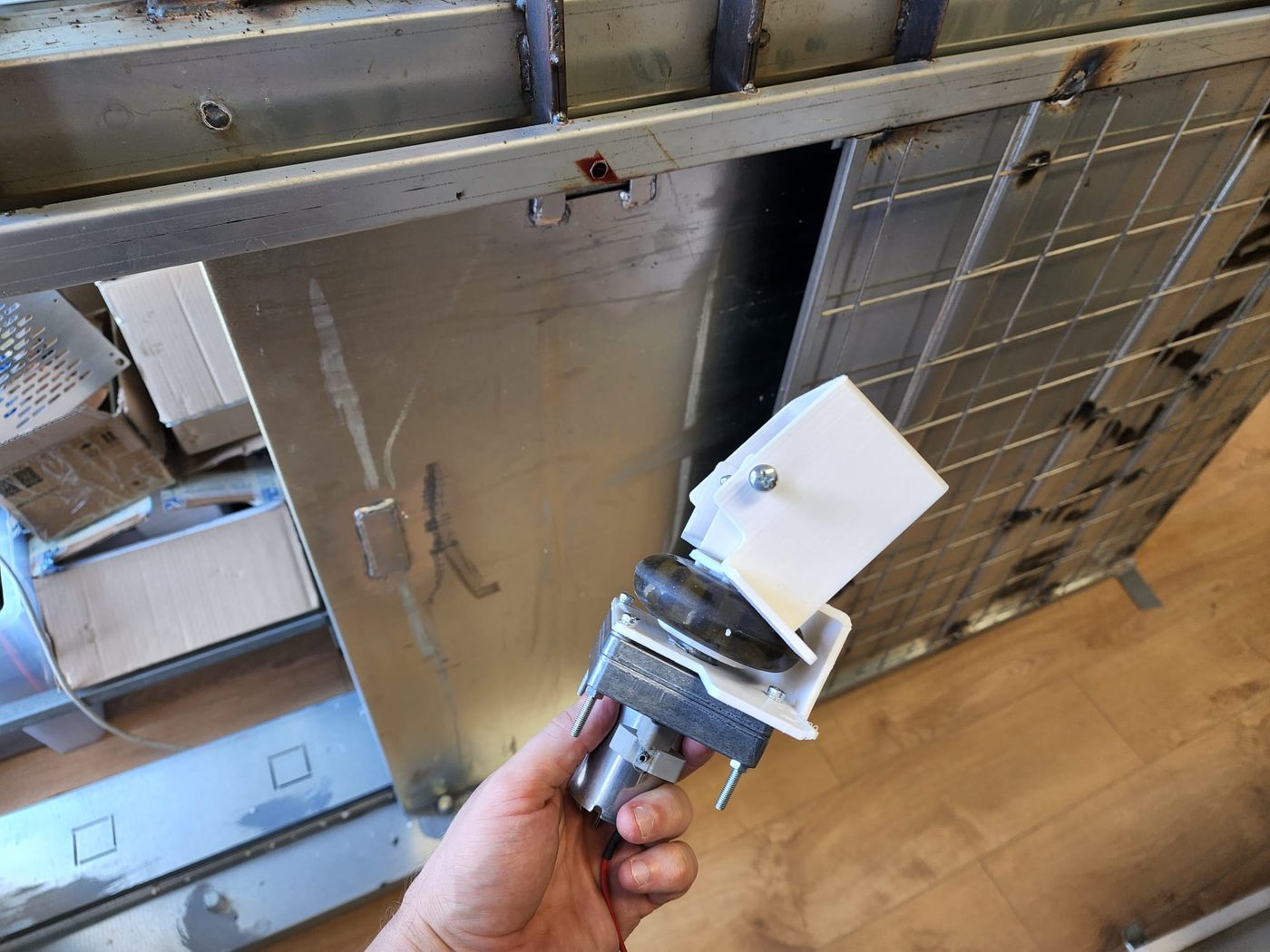
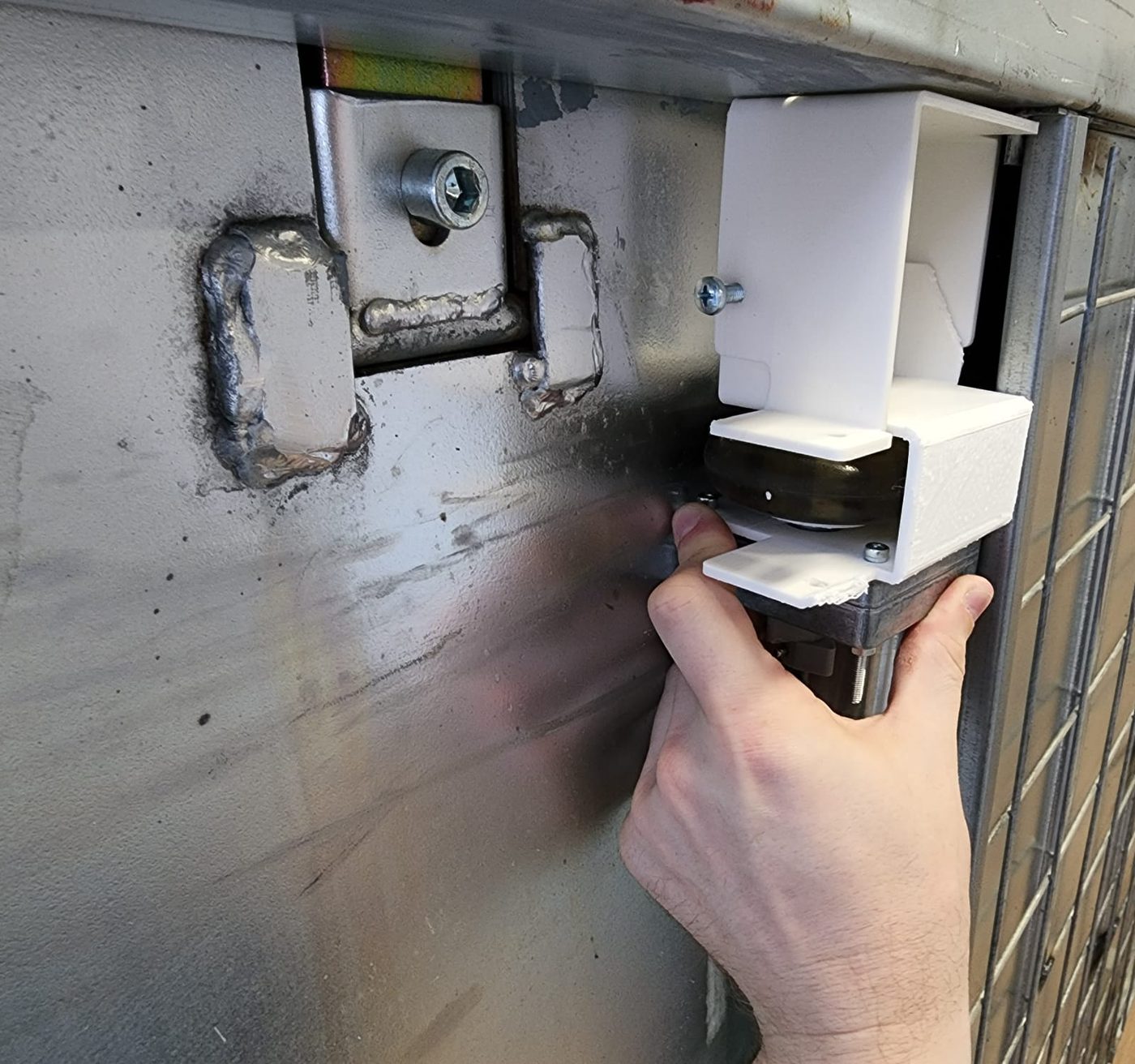
The system is built around a compact drive unit that clamps onto the window track and moves the sash with a friction wheel — a solution that requires no cutting or modification of the certified window, a critical constraint in a room that must retain its protective certification. The drive design, gear ratios, and closing force draw on the fundamentals of mechanism and transmission design in mechanical engineering. An encoder on the motor shaft tracks the sash and detects entrapment — a hand, an object, or abnormal friction — and immediately stops and releases, an essential safeguard for a device operating in homes with children.
Reliability When It Truly Matters
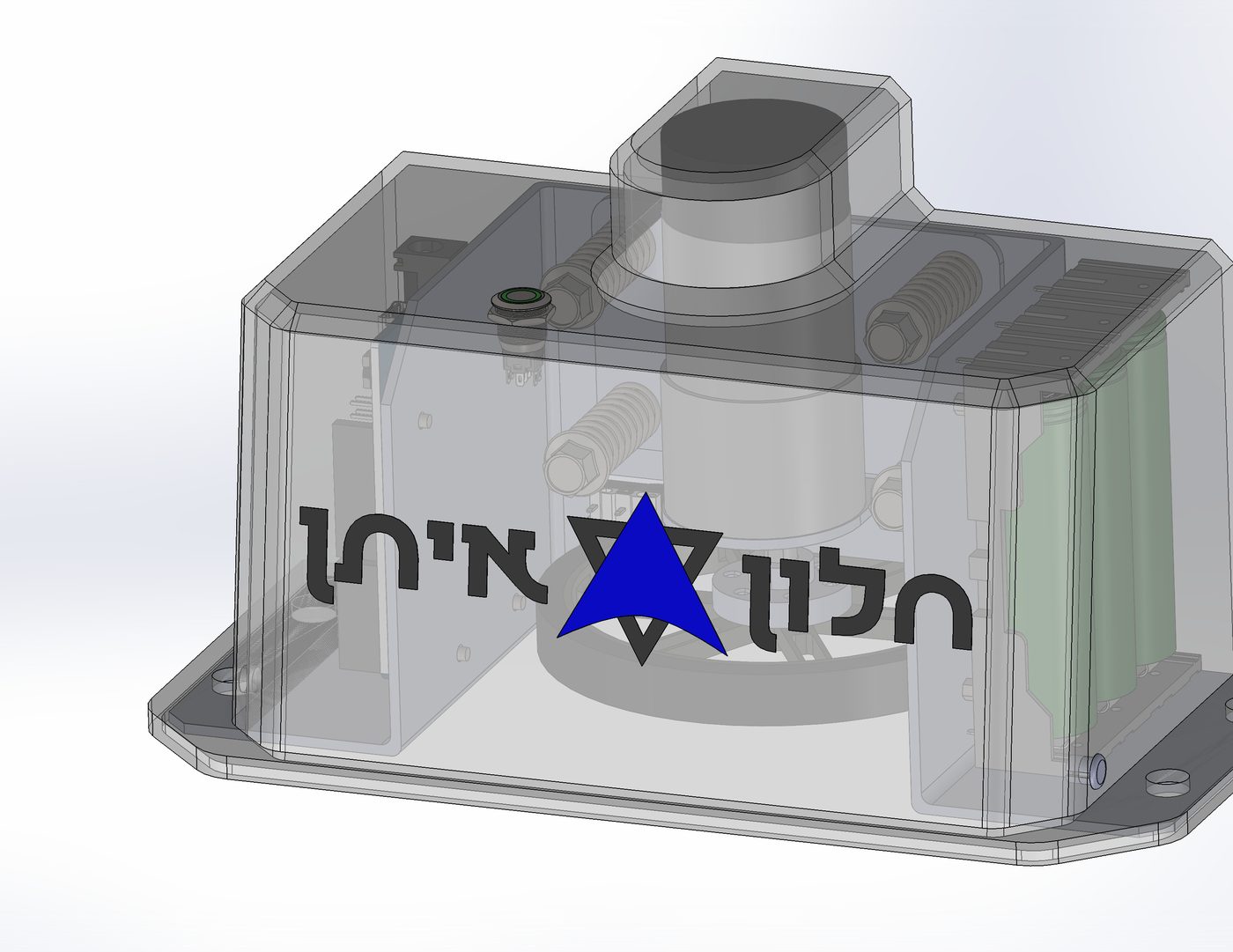
The unit is network-connected and listens to the national alert feed filtered by home region, with a built-in backup battery that guarantees closure even during a power outage — the connected architecture and fail-safe power design we practice in electronics development. The full chain — alert reception, decision logic, and motor drive — was exercised through thousands of open-and-close cycles on a real window test rig, the reliability discipline we describe in new product development. Testing exposed gradual wear of the friction wheel against rough aluminum profile — a finding that led to a change of wheel material and the addition of a tension spring that compensates for wear and keeps grip force constant over years of service.
Development Scope
- Mechanics: friction drive for an existing window without compromising its certification.
- Electronics: motor controller, encoder, battery backup, and network connectivity.
- Software: region-filtered alert listening and real-time entrapment protection.
Takeaway
In a product built for an emergency there is no room for "almost always": every decision, from the backup battery to the friction wheel, was engineered around the one scenario where it must succeed the single time that counts.
Have a safety product in mind? Contact Projects House through the form and we will help you engineer it for the moment that matters.
Photos from the project