Project developed in partnership with Gizmo Engineering
The Need
An eruv is a halachic boundary that encloses a neighborhood or an entire town using poles and a thin, taut wire. A single pole leaning after a storm, or one broken strand of wire, invalidates the whole eruv — which is why, every week before the Sabbath, inspectors sweep miles of route, often across rough open ground. Communities in Israel and around the world asked the obvious question: why wait for the weekly patrol when a fault could report itself the moment it happens?
The Engineering Solution
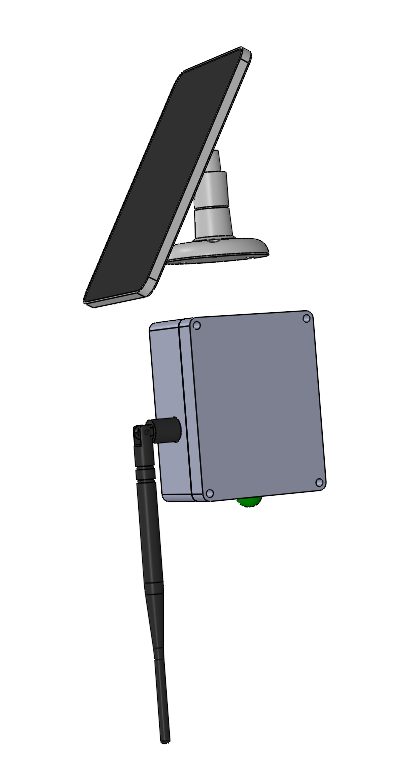
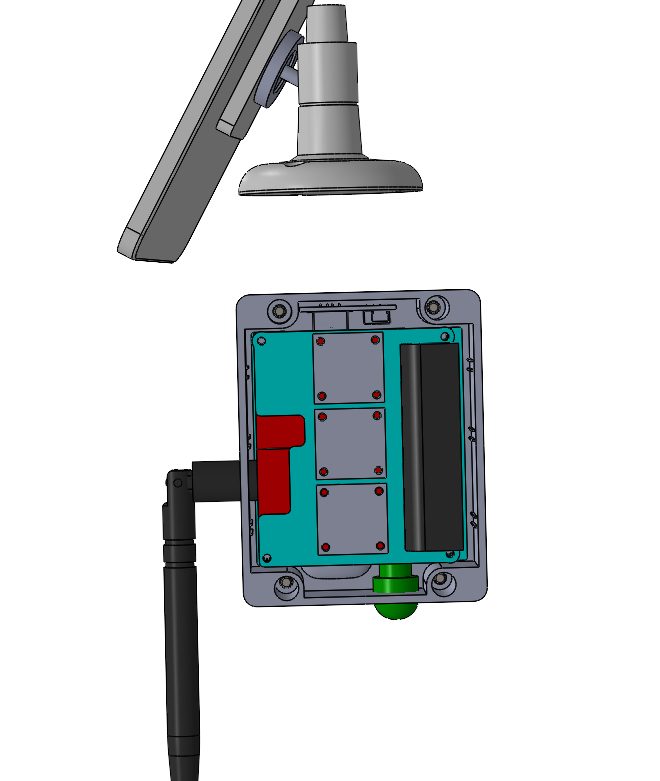
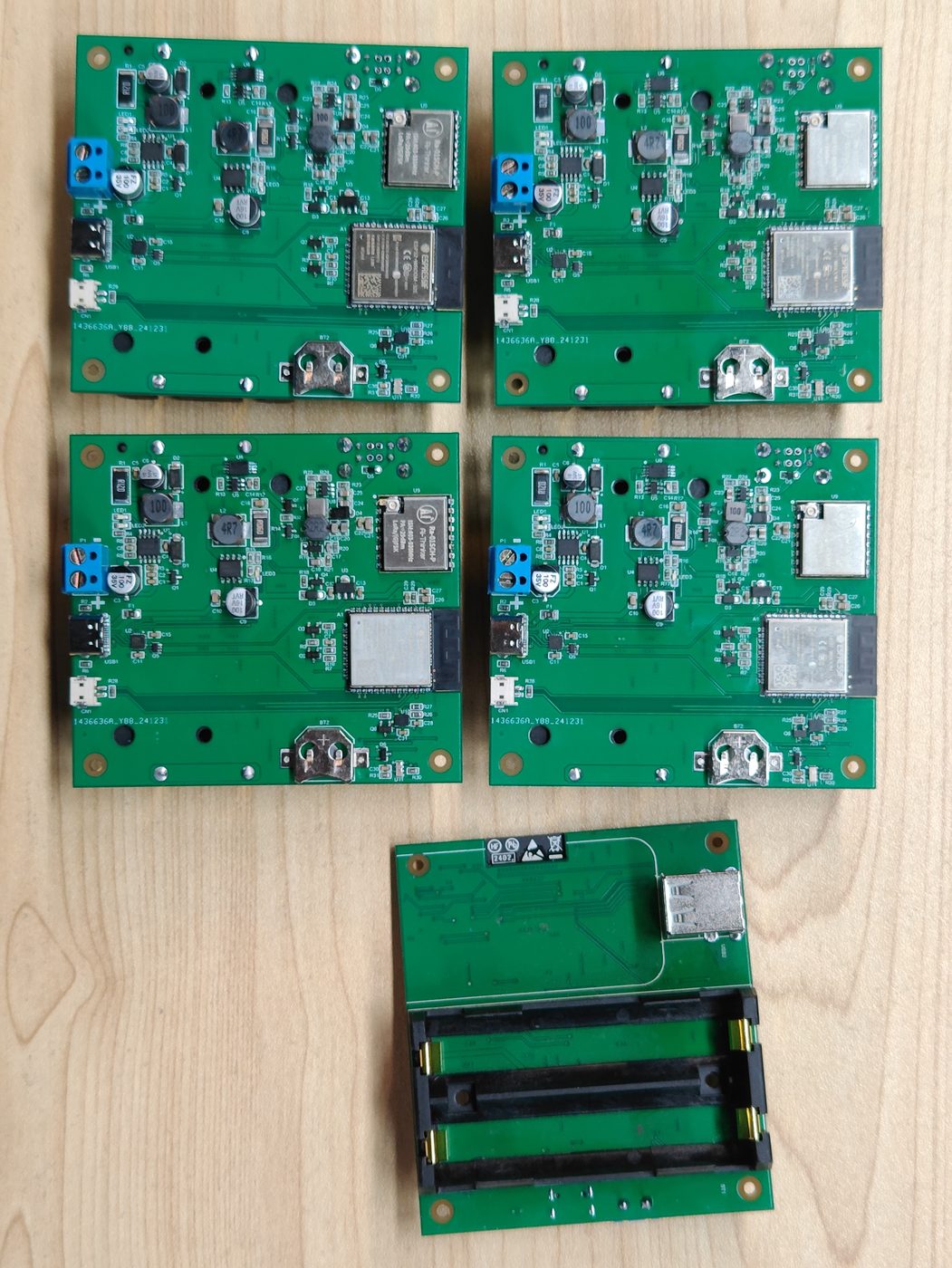
Projects House developed a compact device that mounts on an eruv pole and carries two detectors: a tilt sensor that flags an abnormal pole angle, and a continuity detector that senses a break in the eruv wire. The devices are spread along miles of route, far from any power or network infrastructure, so each unit runs on a small solar panel with a battery and communicates over long-range radio in a chain topology — a message from the far end of the route hops from pole to pole until it reaches a collection point. Frequency, transmit power, and network topology were chosen through field trials in open terrain, inside a dense orchard, and in a built-up urban environment. Open-ground links reached hundreds of meters between poles, and the measured results set the device spacing and antenna height along the route before the first installation — the kind of sensing, power, and radio work at the heart of our electronics development practice.
From the Far End of the Route to a Phone
The collection point is internet-connected and uploads the status of every pole to a cloud server; the eruv supervisor receives an immediate alert with the location of the problem pole — the connected-product architecture we cover in our software development articles. The device itself is sealed against water and dust and is built to live outdoors for years, summer and winter.
Development Scope
- Electronics: tilt and continuity sensing, long-range radio, and solar power management.
- Software: pole-to-pole chain networking, a monitoring server, and alerting.
- Mechanics: a sealed enclosure with a universal pole mount.
Takeaway
A need thousands of years old can meet modern engineering gracefully: when the technology is transparent and reliable, it does not change the tradition — it simply serves it. The project is also a strong example of the specialized field of kosher product development.
Have a product idea of your own? Contact Projects House through the form and we will help you take it from concept to working product.
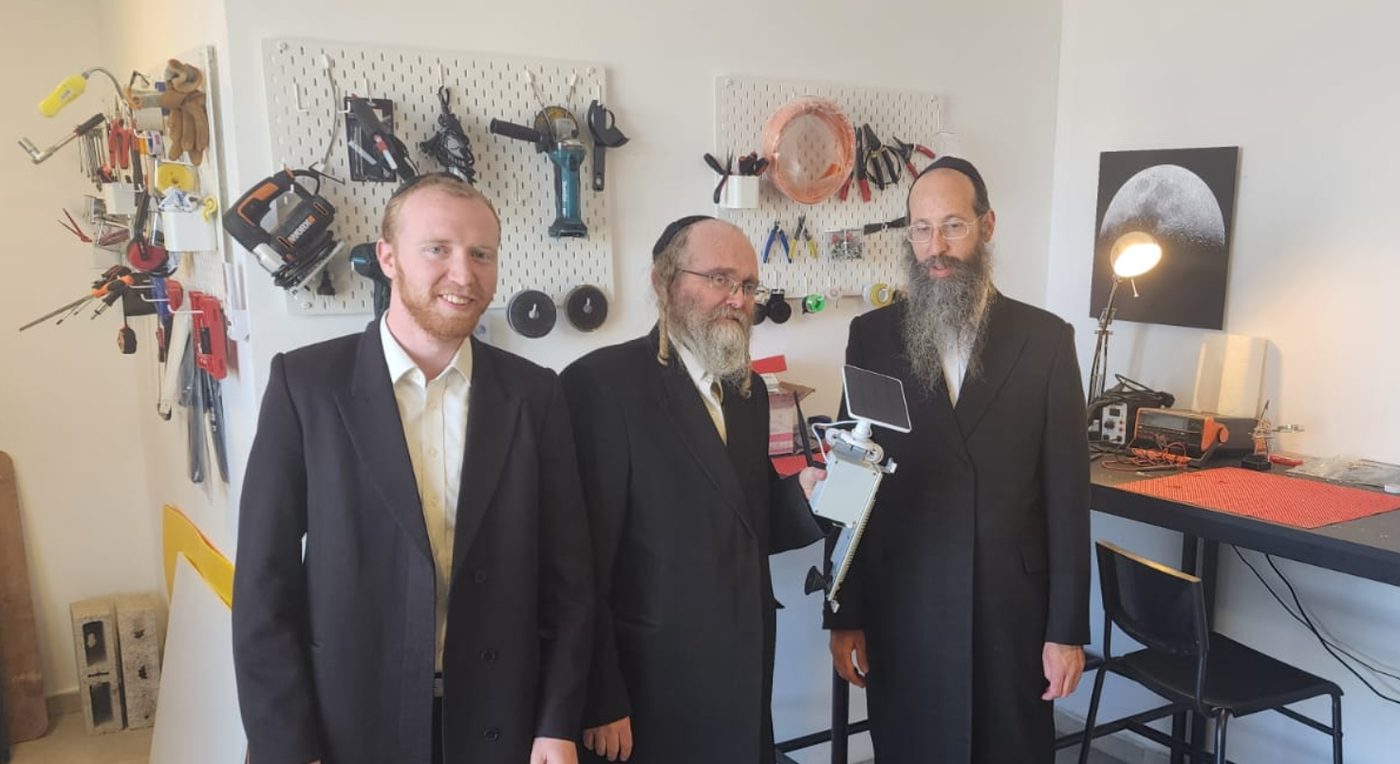
Photos from the project