Project built in collaboration with Gizmo Engineering
The Need
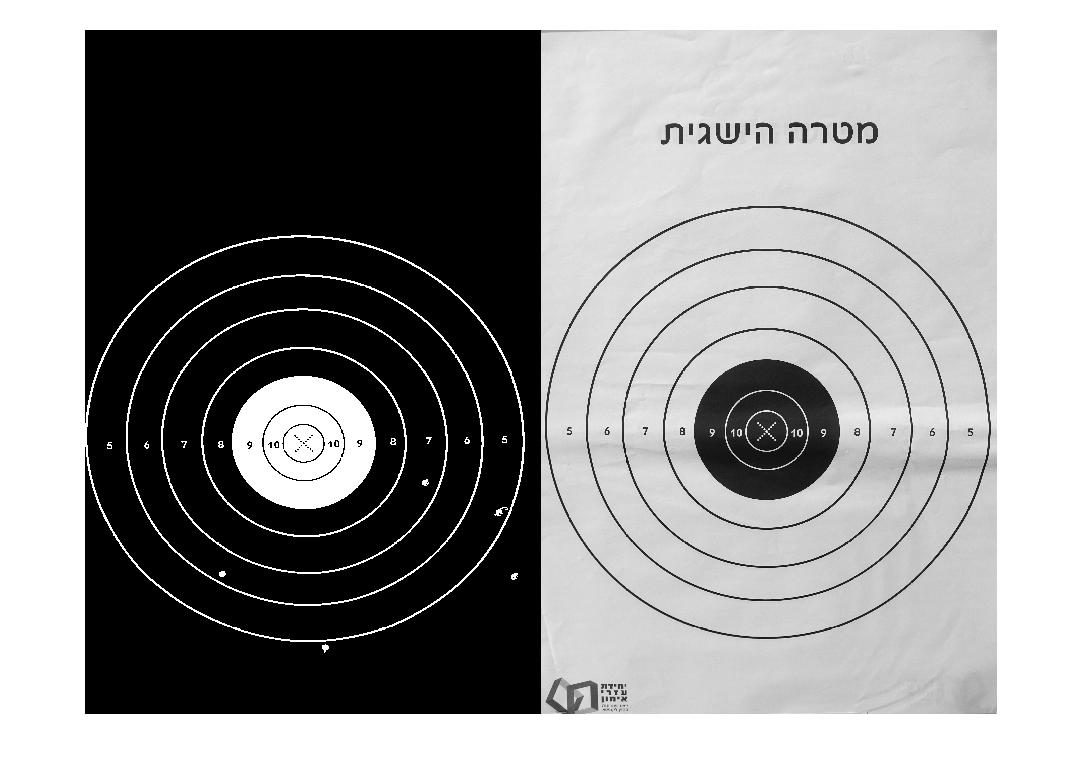
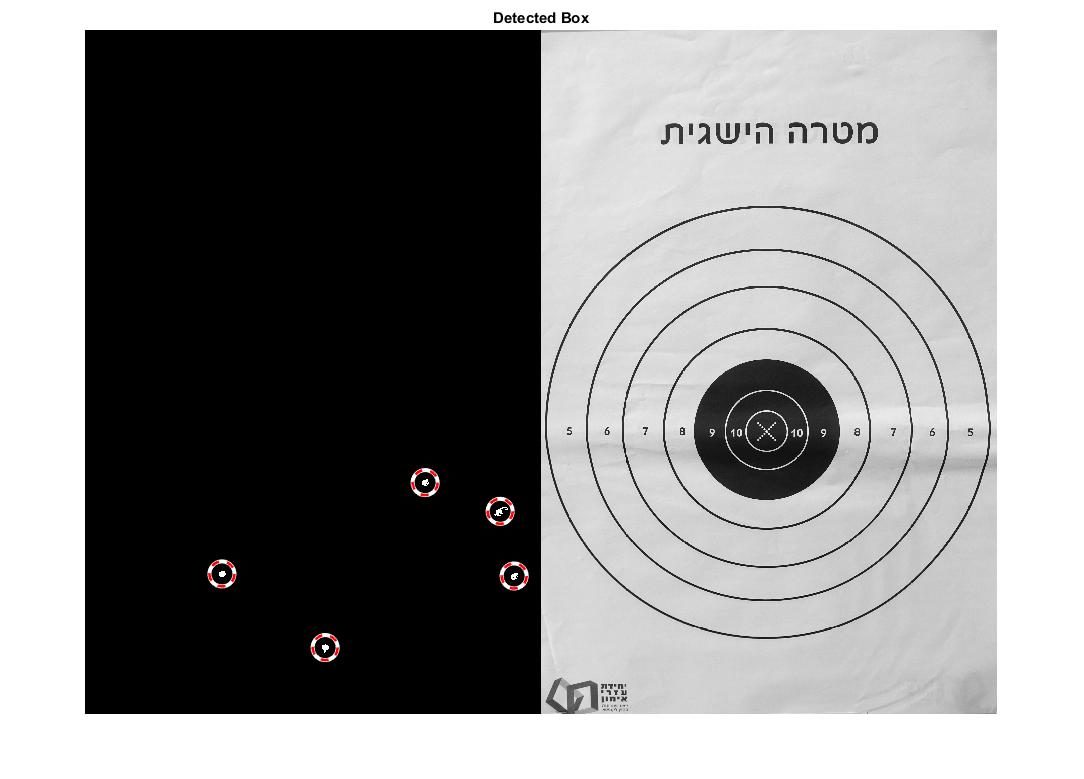
Sight zeroing and accuracy checks today rely on manually inspecting the target — stopping the session, walking downrange, measuring, and walking back. The process is slow, and at long distances it is also hard. The system developed here detects impacts in real time through image processing and computes from them the correction the sight needs.
The Challenge: Finding a Small Hole in a Big Image
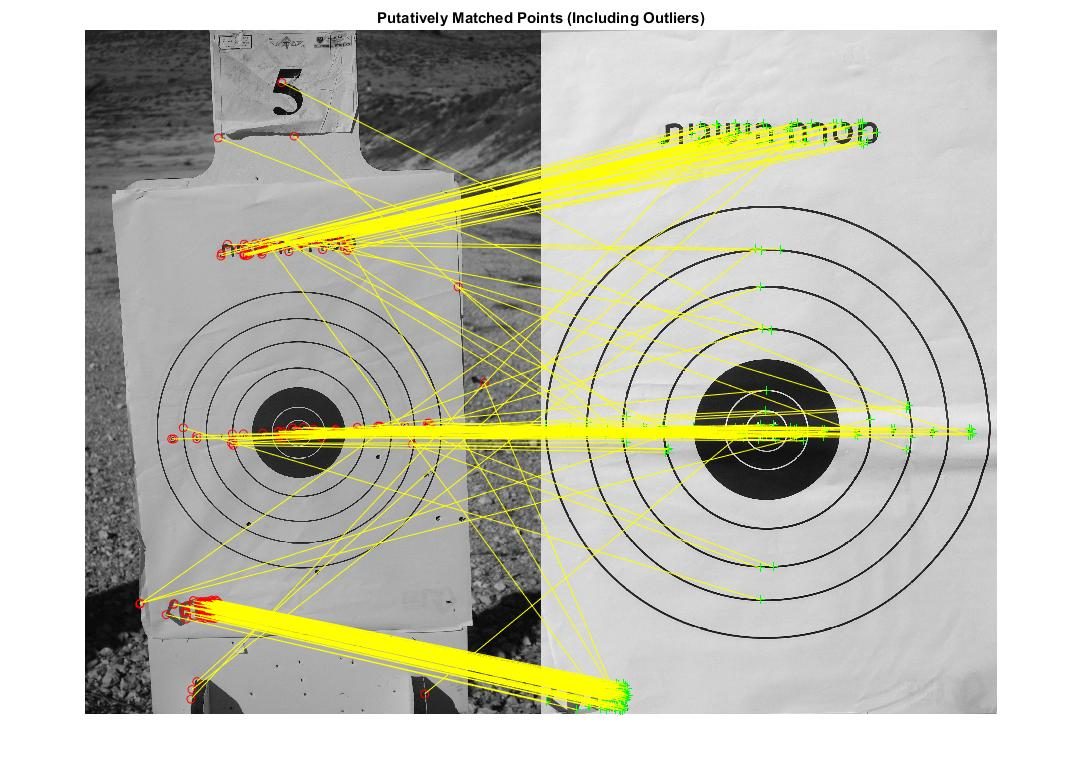
The algorithmic problem is not detecting an impact — it is distinguishing a new impact from everything else. The real difficulties: changing light conditions — sun, shadow, a passing cloud — mean an algorithm calibrated for one lighting fails in the next, so detection is based on frame-to-frame change rather than absolute image analysis. Overlapping impacts — two nearby hits can look like one, so separation is done by timing: each impact is registered the moment it appears, and history separates what geometry cannot. Camera motion — wind or a touch shifts the camera and the whole image "moves," requiring stabilization against reference points on the target. Dust on the lens — a fixed smudge can look like an impact, so anything that does not appear as a sudden change is ignored.
From Calibration to Sight Correction
Detection is half the product. The other half is translating an impact's position in the image into numbers the shooter can use — how many clicks and in which direction. That demands optical calibration: converting camera pixels to real-world dimensions on the target, which depends on distance and angle. In practice, calibration is the one step the user must get right, so significant effort went into making it simple and error-tolerant.
Development Scope
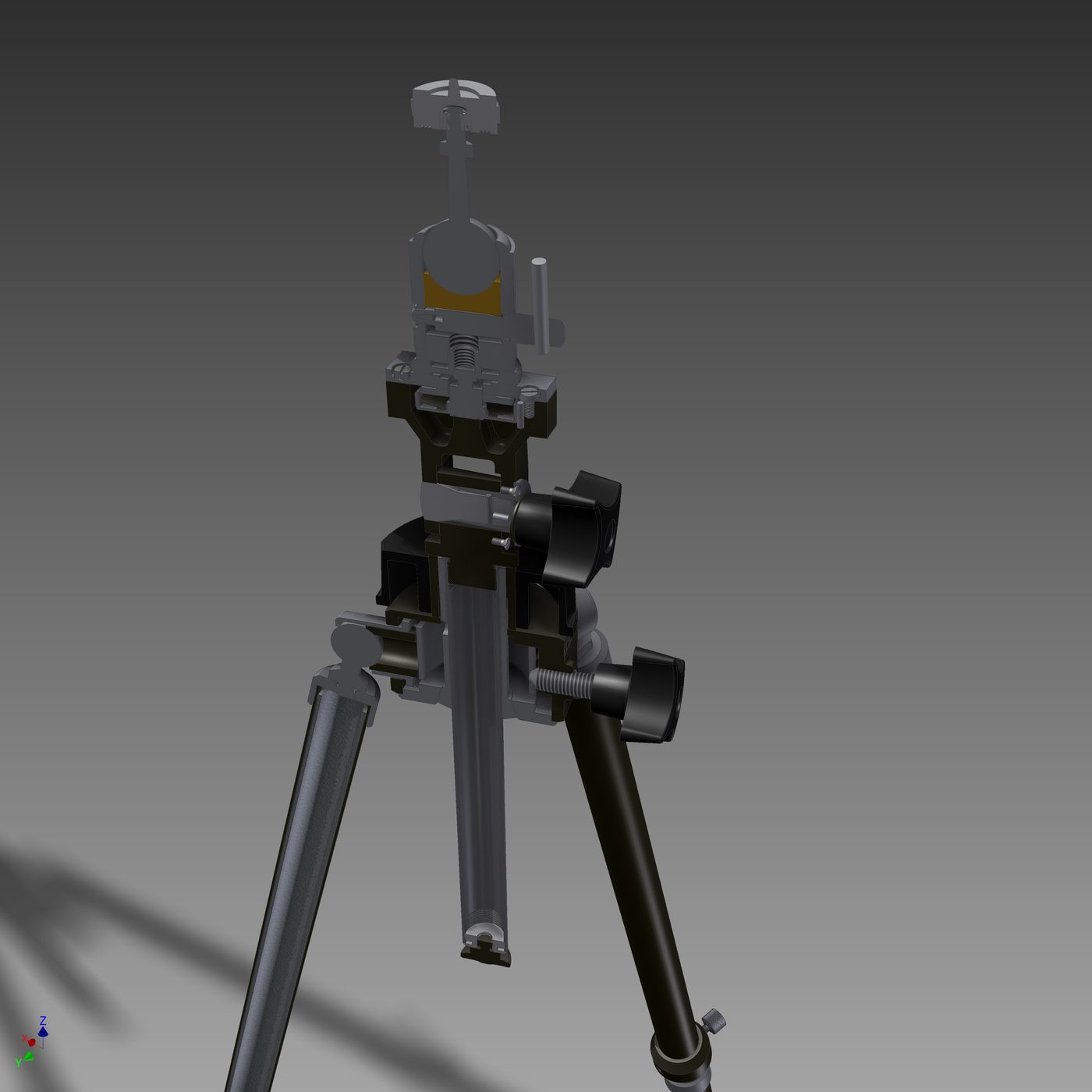
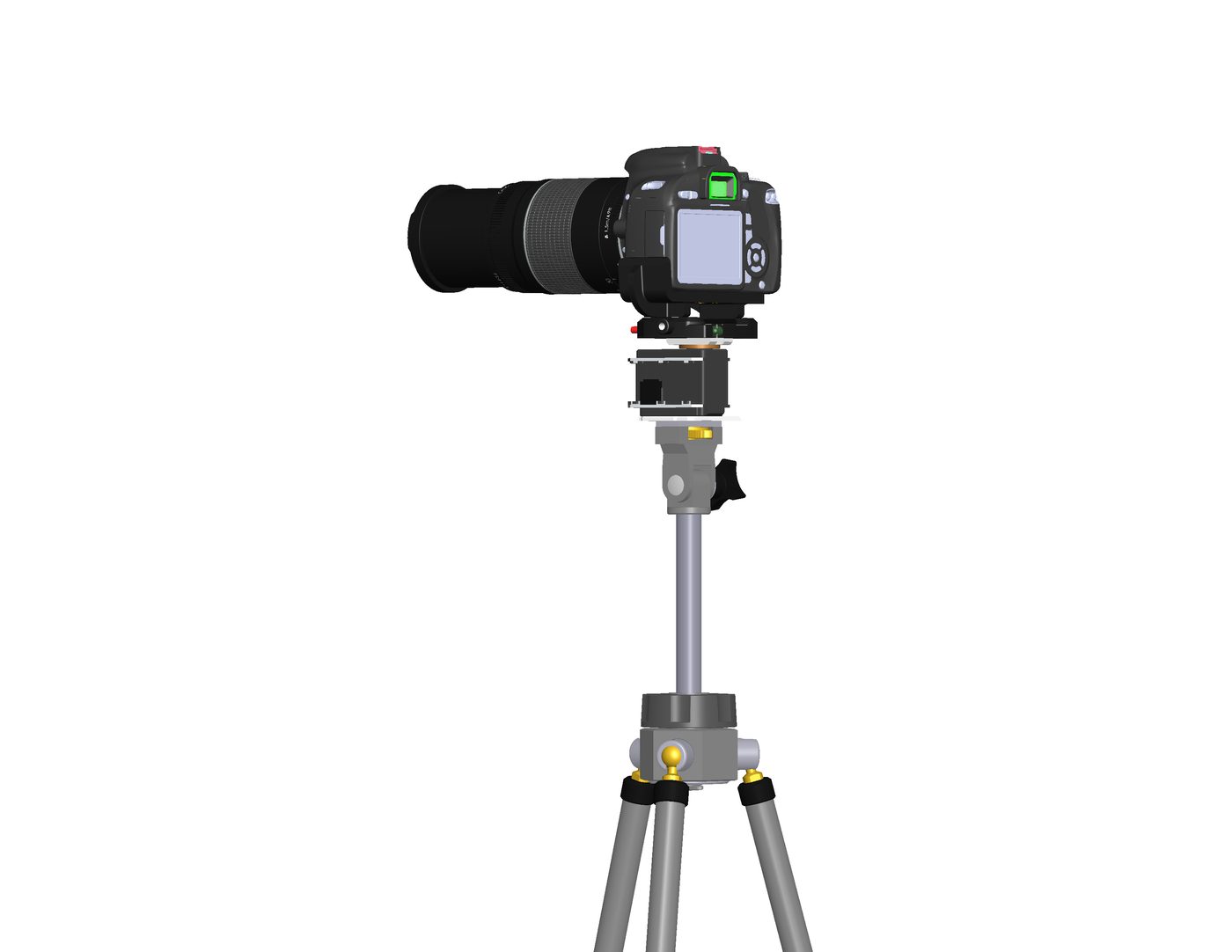
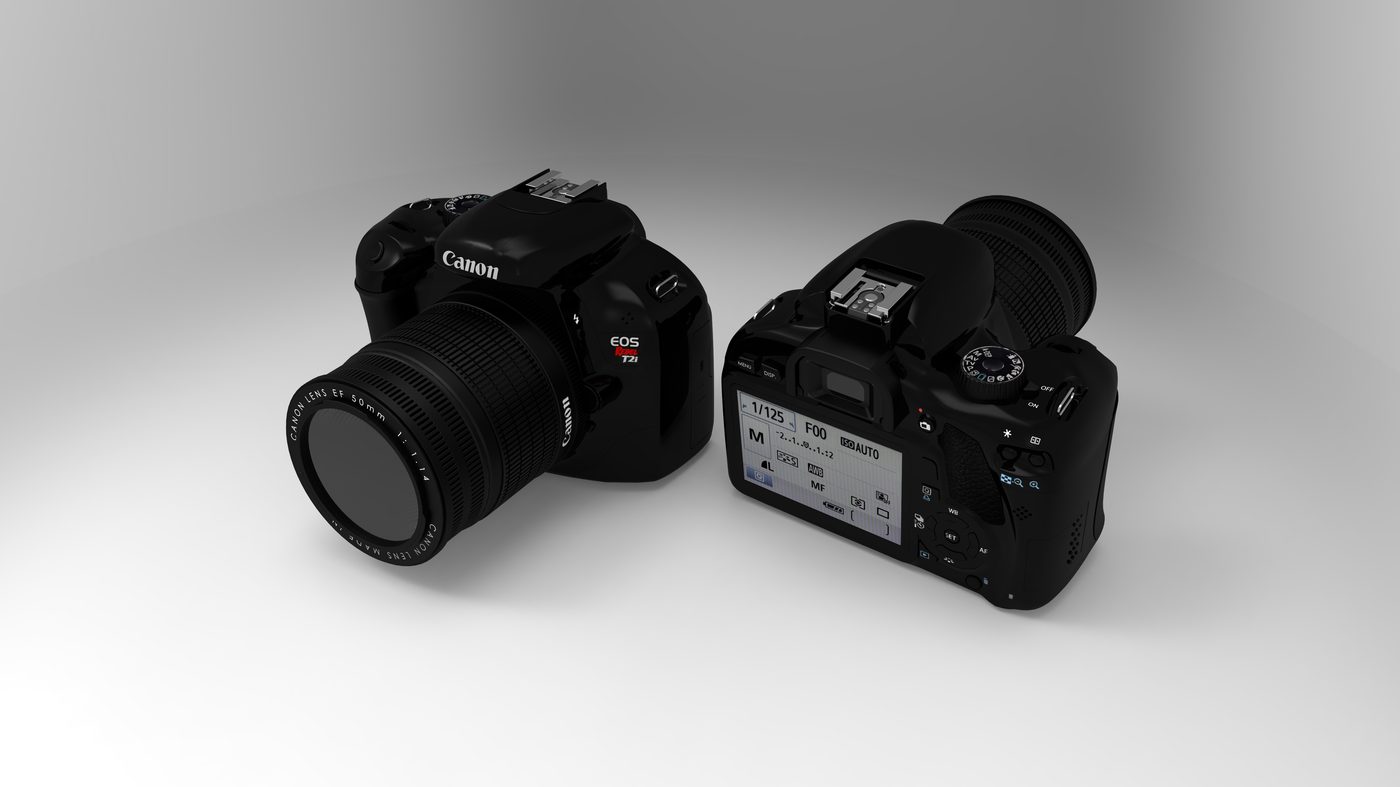
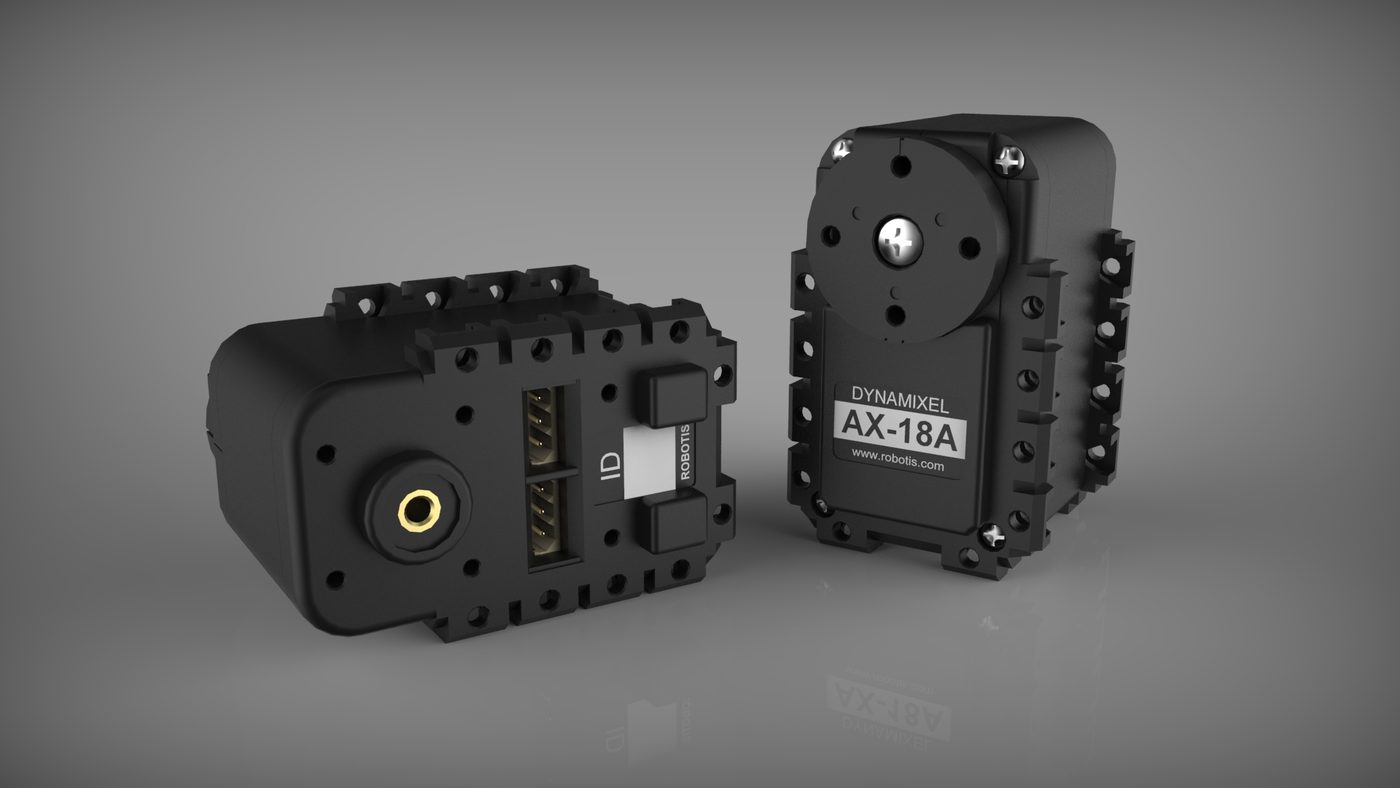
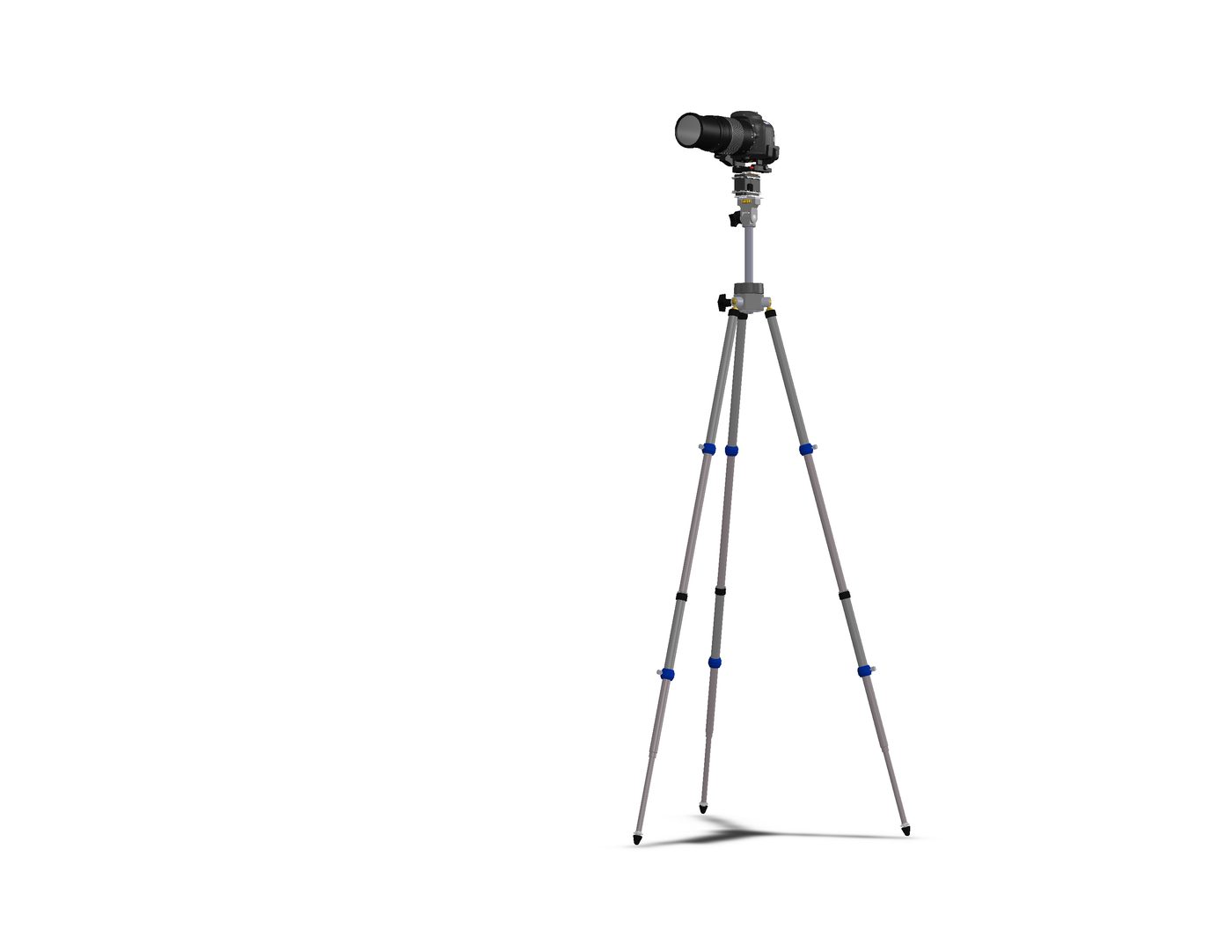
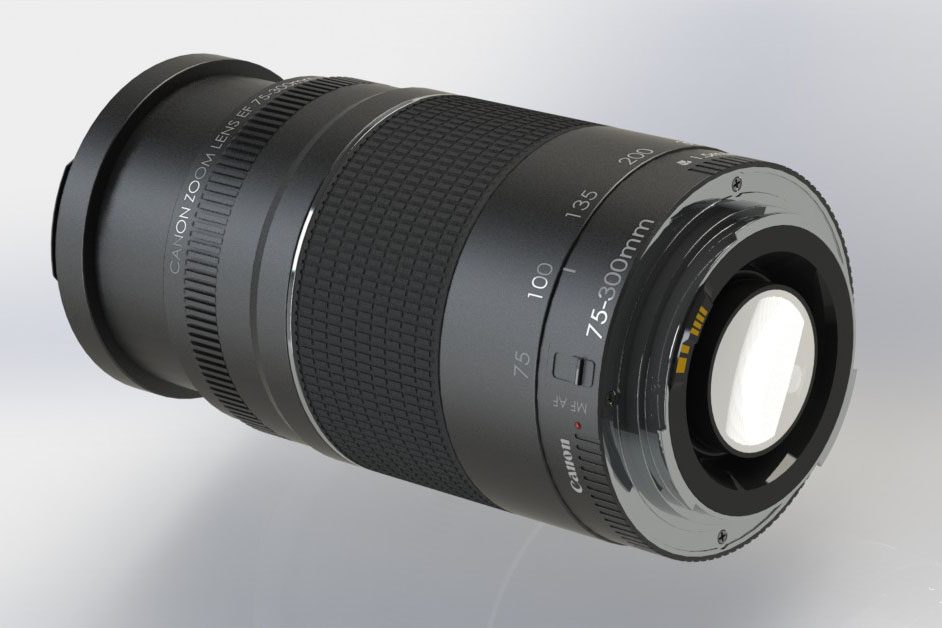
The project combined real-time image processing and algorithm work — see our writing on software development; electronics for the camera, local processing, and user communication; mechanical and optical design of a stable, adjustable camera mount — mechanical stability saves algorithm work; and field-ready design for dust, sun, temperature, and gloved operation.
In image-processing projects, most of the success is decided in the hardware and installation: a well-stabilized camera and predictable lighting save weeks of algorithm effort. That is why we develop both sides together — the essence of multi-discipline product engineering.
Have a machine-vision product to build? Contact Projects House through our form.
Photos from the project