Project developed in partnership with Gizmo Engineering
The Need
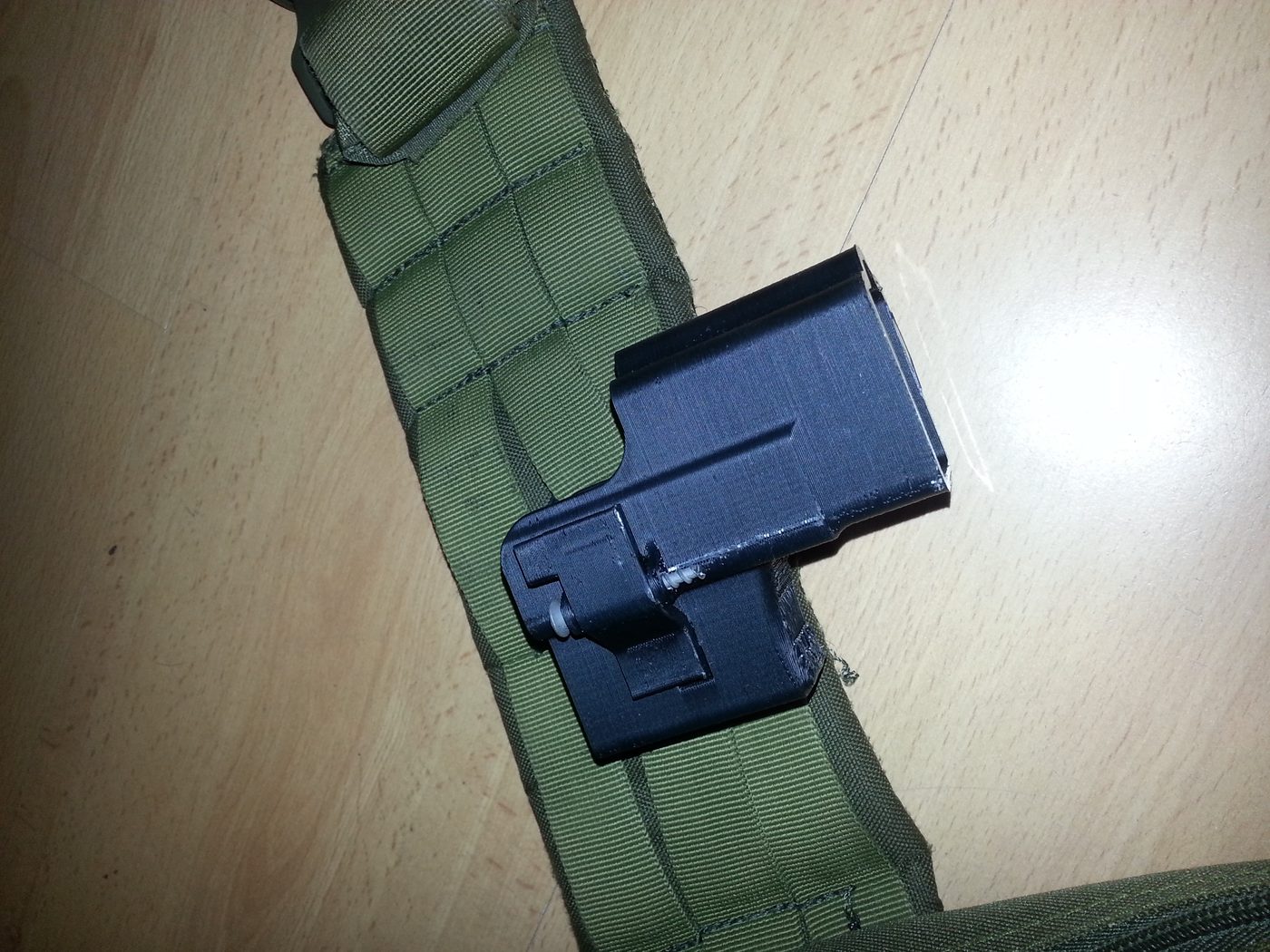
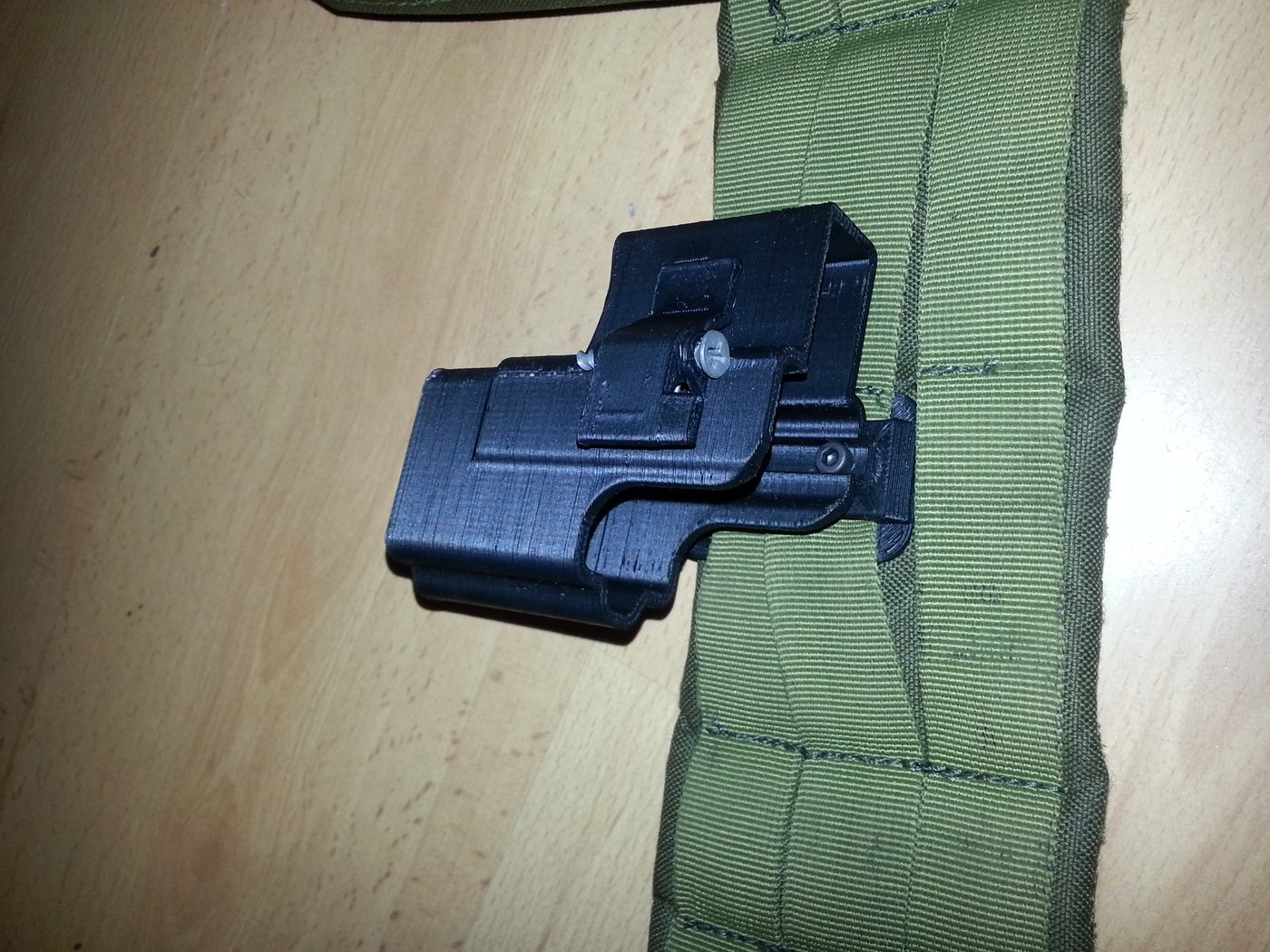
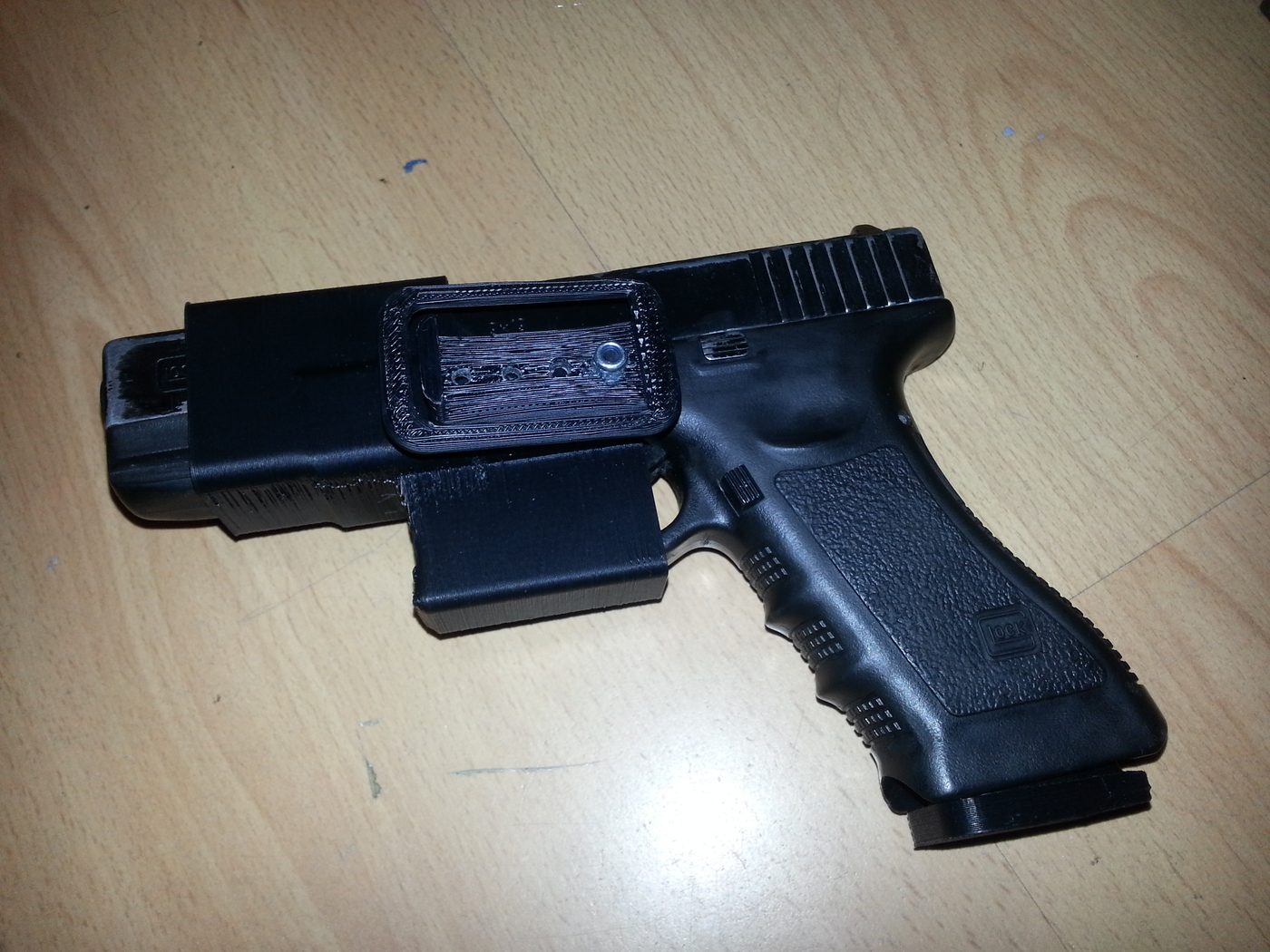
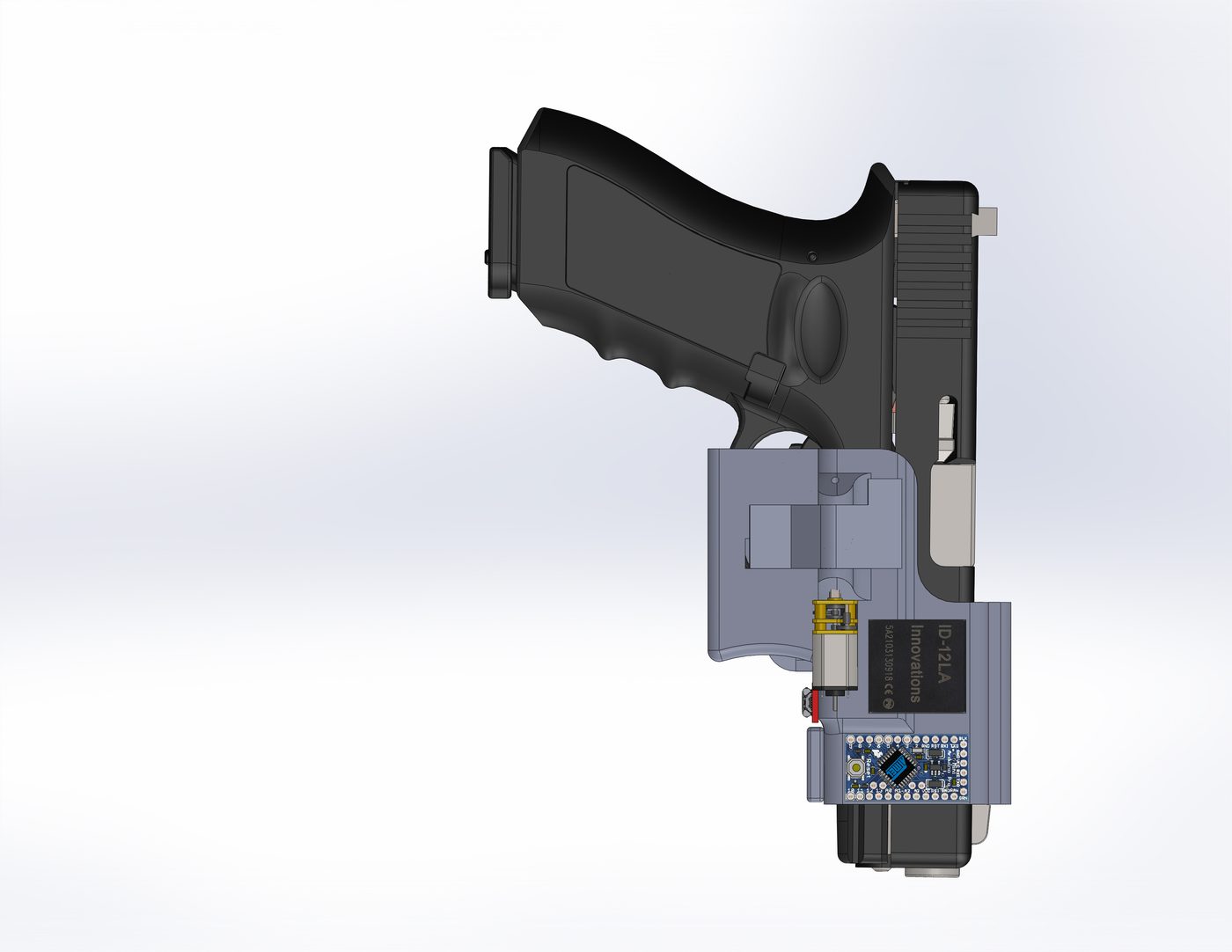
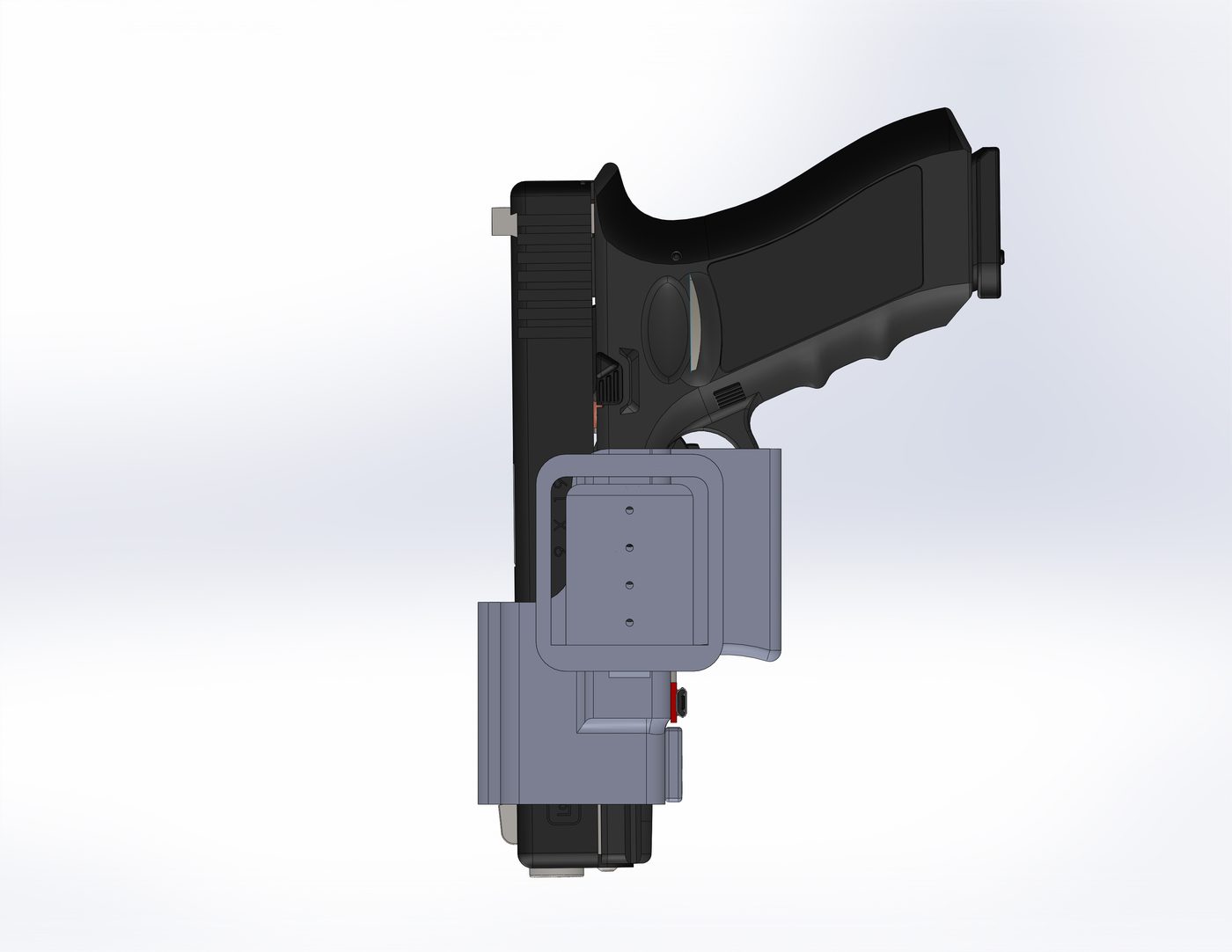
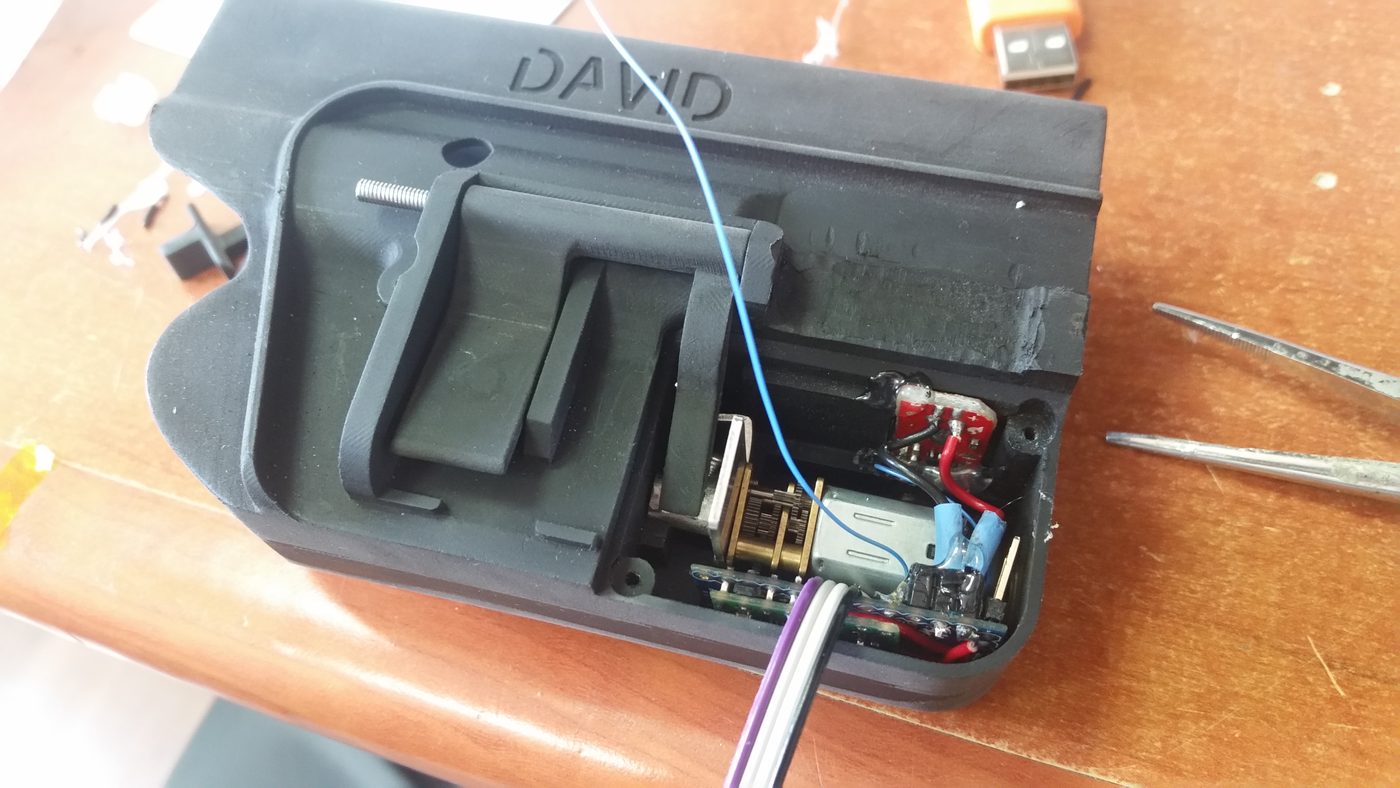
A gun holster has to do two contradictory things: allow a fast draw for the authorized user, and deny access to everyone else — a child, a thief, or someone attempting to take the weapon from its carrier. This project implemented an electronic lock that opens on NFC identification: the holster releases in the presence of the user's credential and stays locked without it.
The Hard Requirement: Speed Versus Certainty
This is a product where response time is itself a safety requirement. A lock that opens half a second too late turns the holster from protection into an obstacle. Two architectural decisions followed directly from that:
- The mechanism is pre-armed. Identification happens in the background as soon as the credential is in range, so at the moment of the draw the lock is already released and there is no waiting on communication.
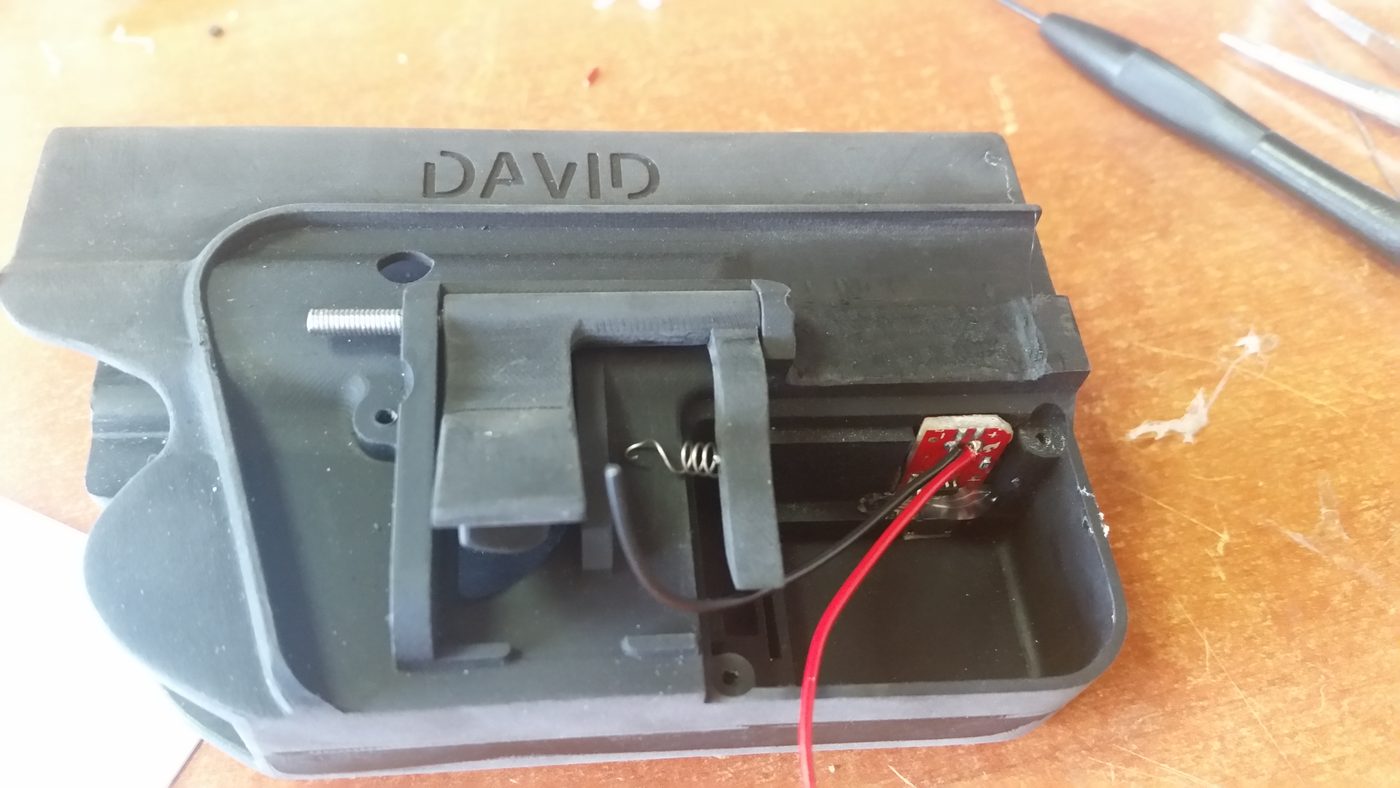
- Mechanical release, not actuation. The lock is held in place and released with a small motion, rather than a motor driving a full stroke. Less motion means faster, more reliable, and less battery drain.
What Happens When the Battery Dies
That is the first question any product like this must answer, and the answer is a design decision, not a feature. A safety product cannot depend on a charged battery, so three mechanisms work in parallel: an early low-battery warning, an alternative release means for the owner, and a defined, documented behavior at zero power. Deciding how a product behaves in failure is the core of risk-driven design — a discipline we apply well beyond medical device development, where it originates.
Development Scope
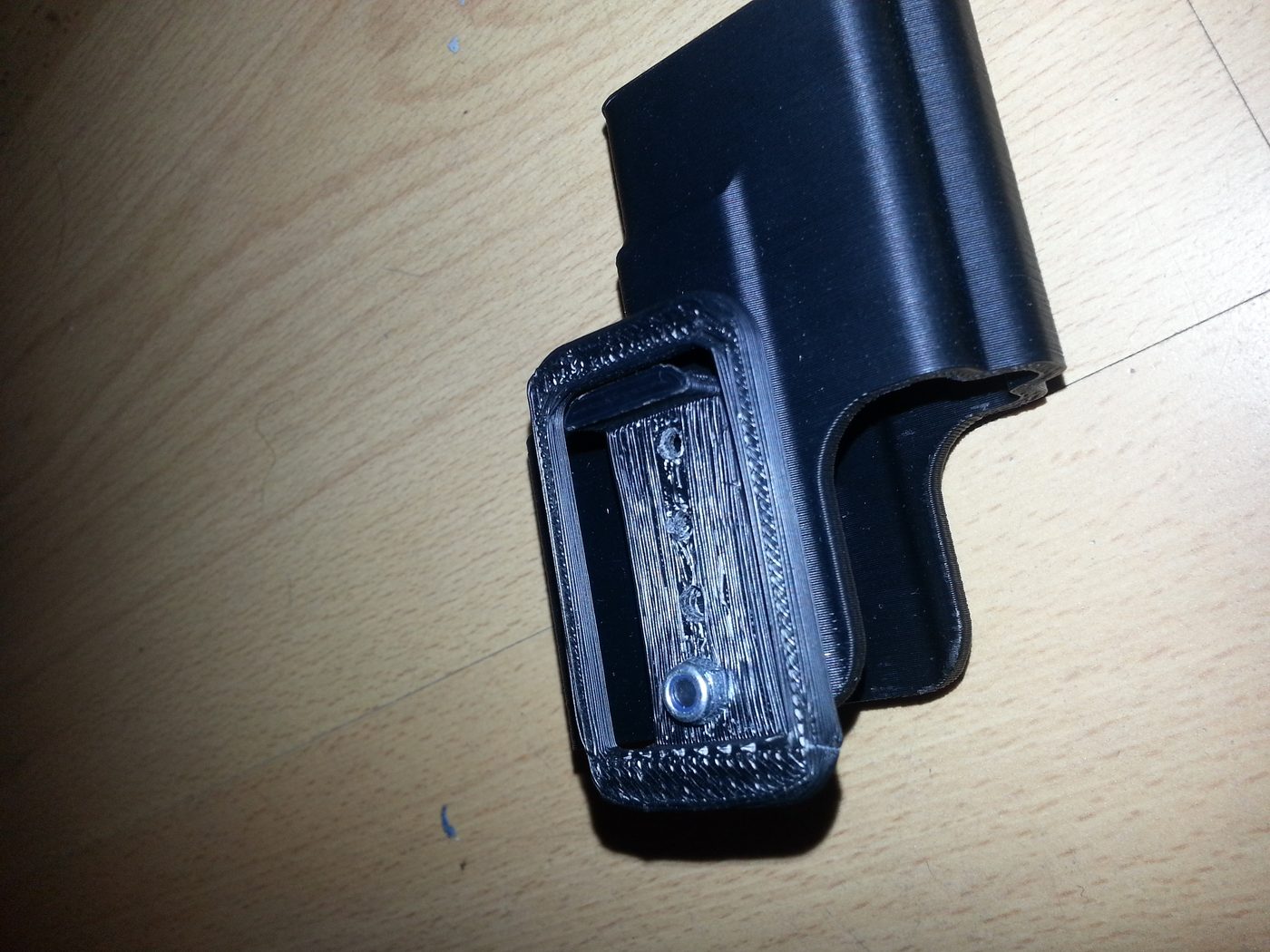
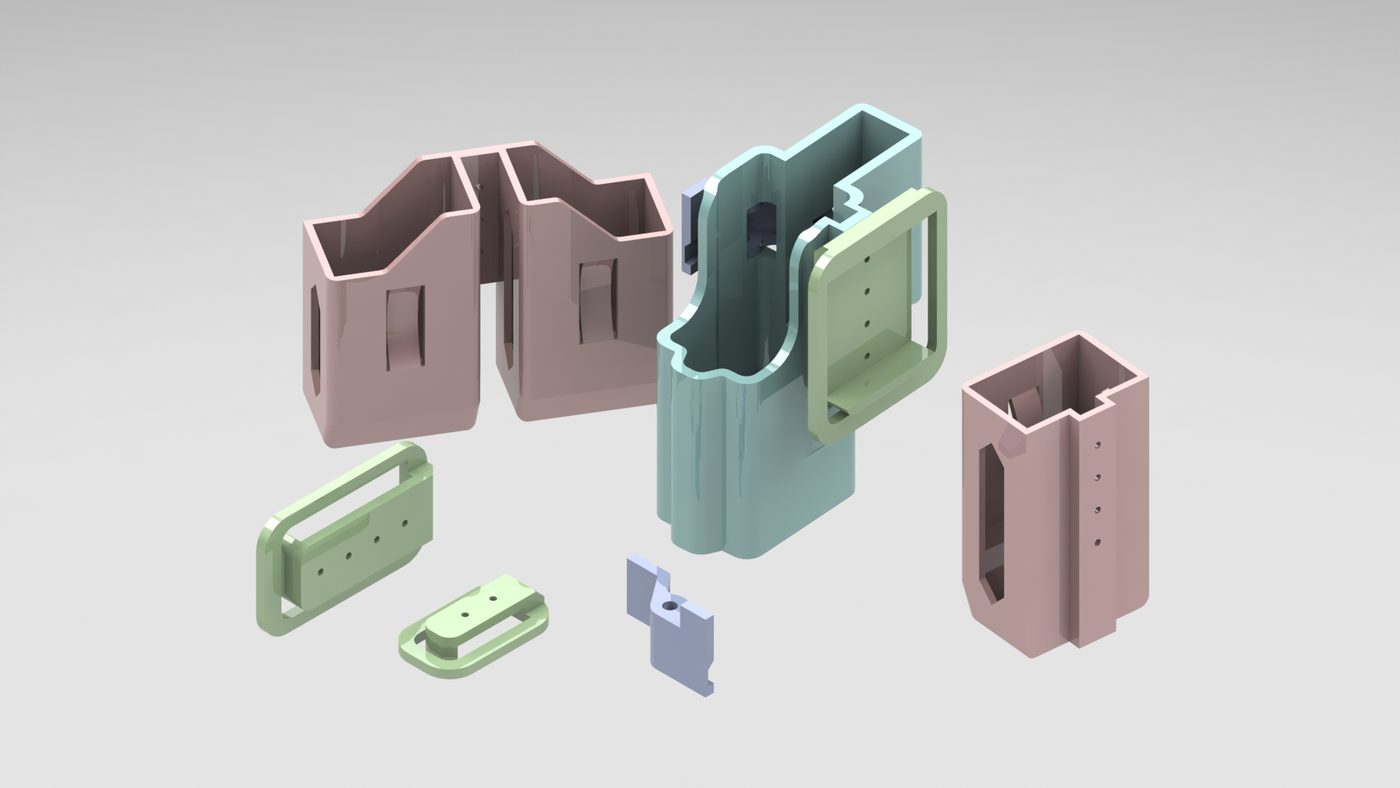
- Mechanics: the retention and release mechanism, toleranced to hold firmly without ever jamming — see our approach to mechanical engineering.
- Electronics: the NFC reader, power management, and sleep states — a holster must last weeks, not hours. See electronics development.
- Embedded software: identification logic, authorization, and edge-case behavior — see embedded software.
- Design for carry: daily on-body wear — weight, bulk, and resistance to sweat and impact.
A Note
Firearm-related products are subject to regulation and licensing in their target markets, and any such development begins by establishing the requirements that apply. The details presented here are deliberately general.
Developing a product where reliability is non-negotiable? Contact Projects House through the form to talk it through.
Photos from the project