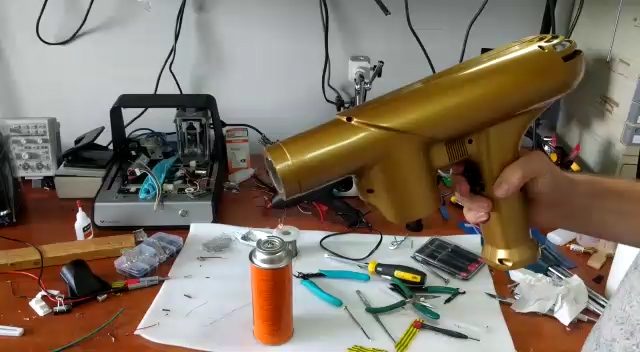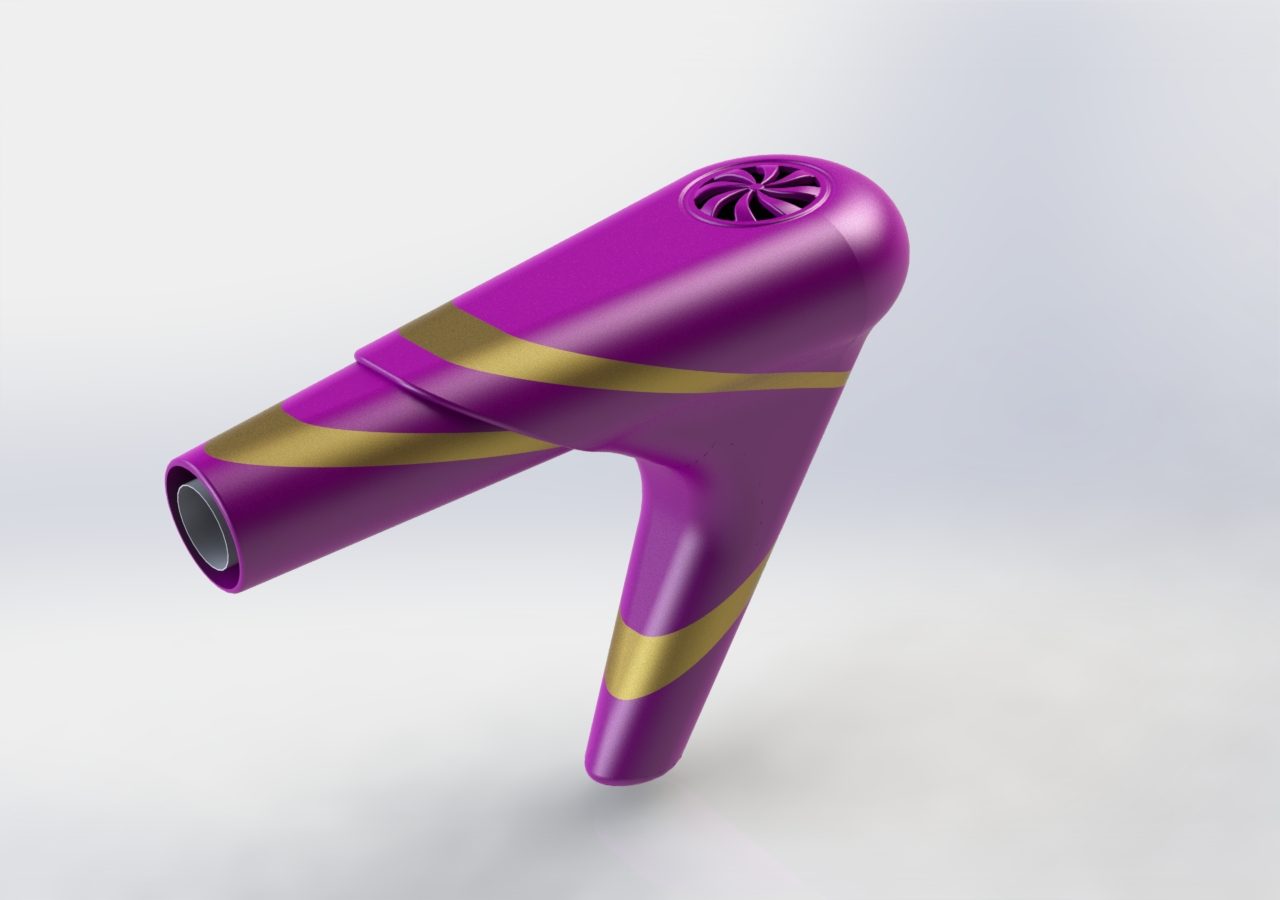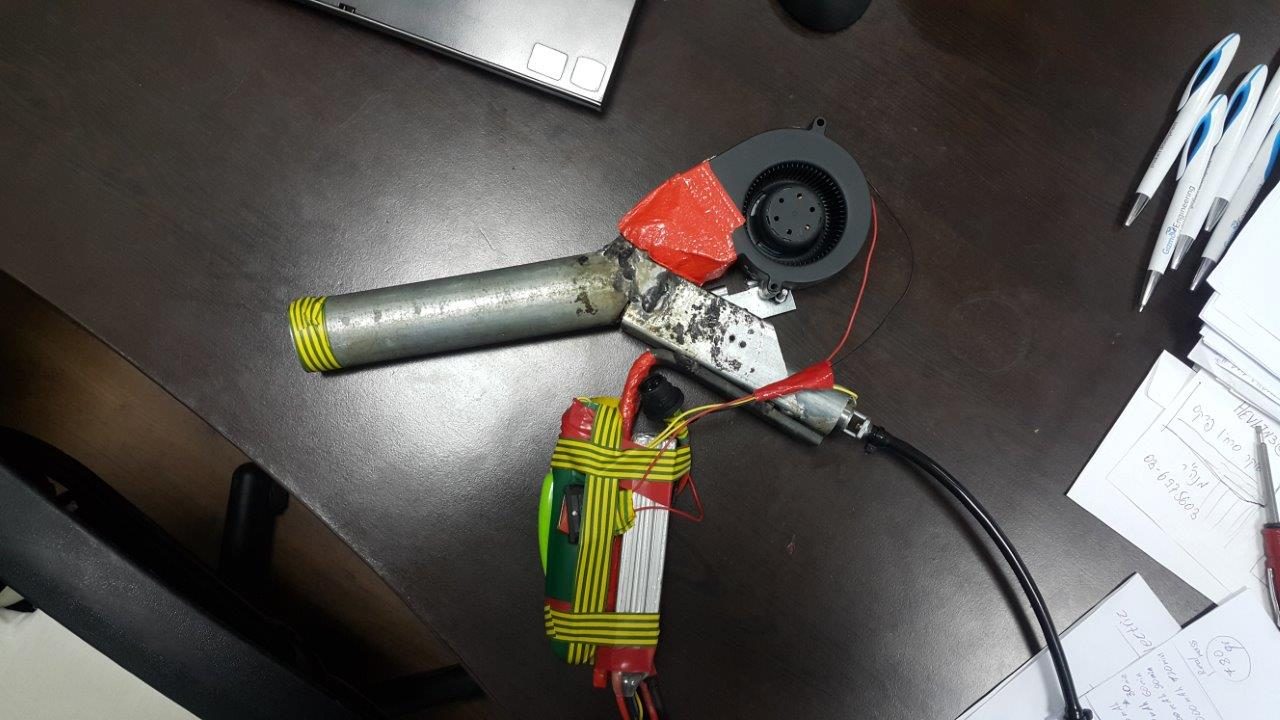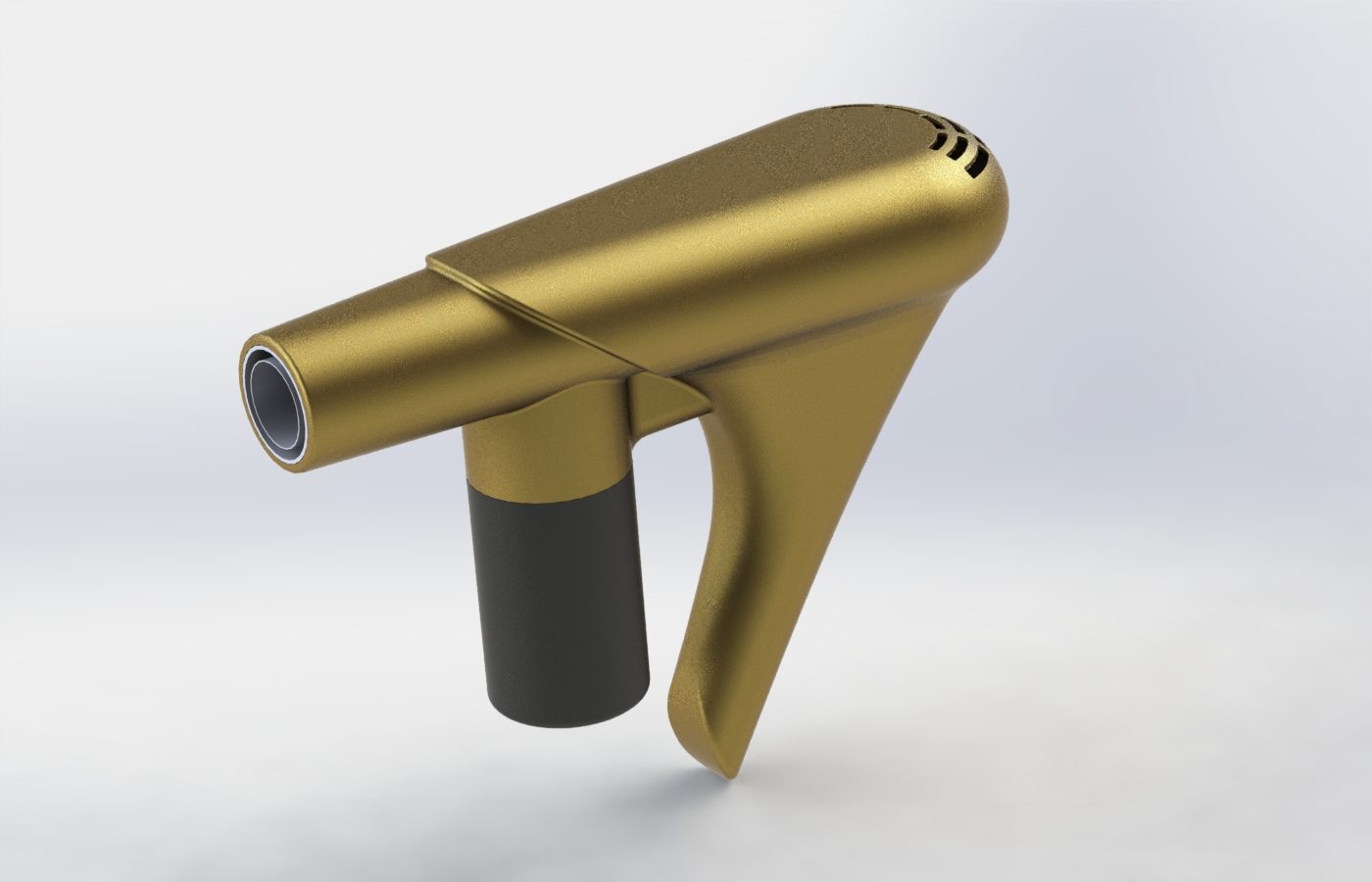
Project built in partnership with Gizmo Engineering
The Problem This Product Solves
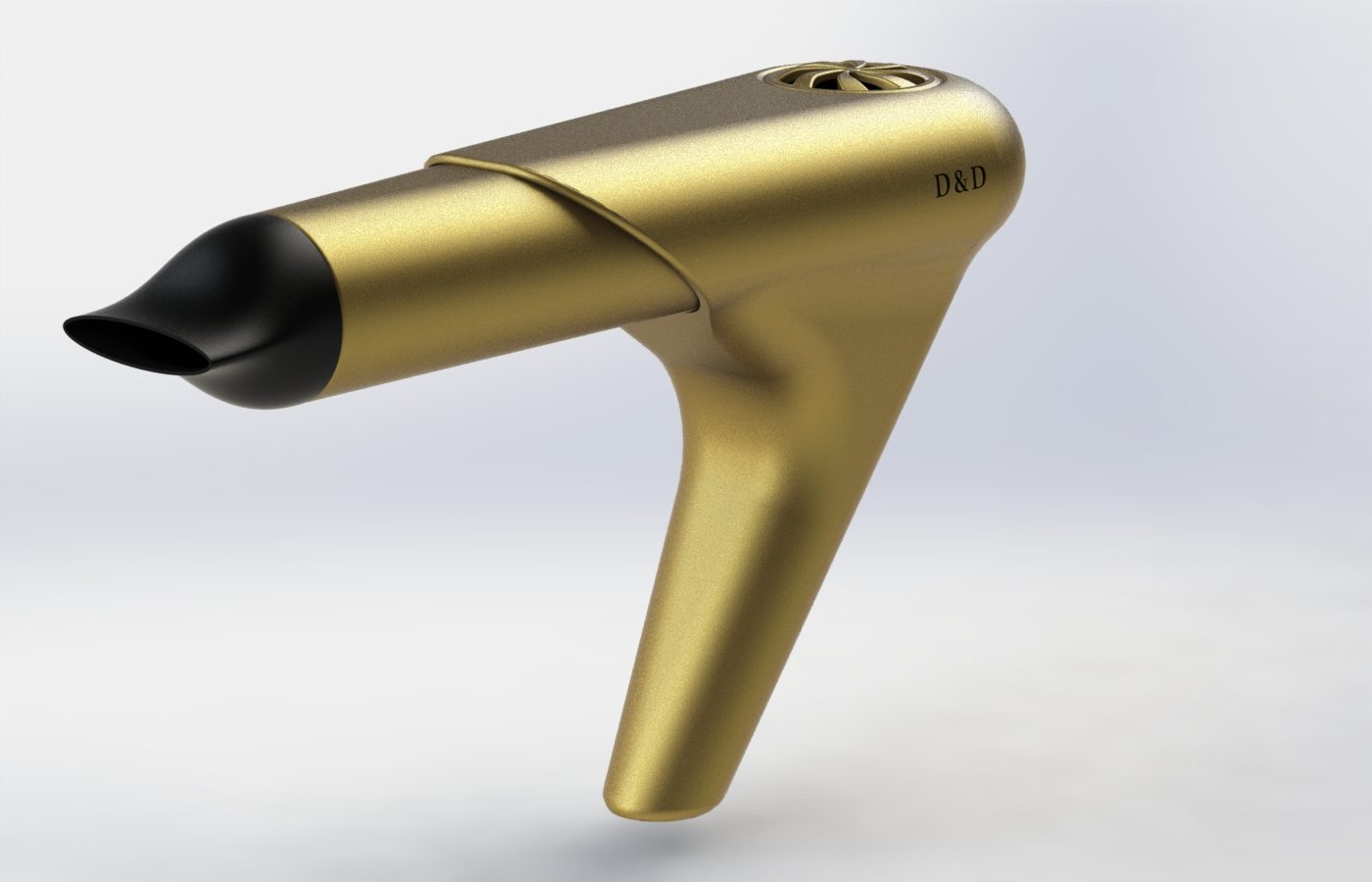
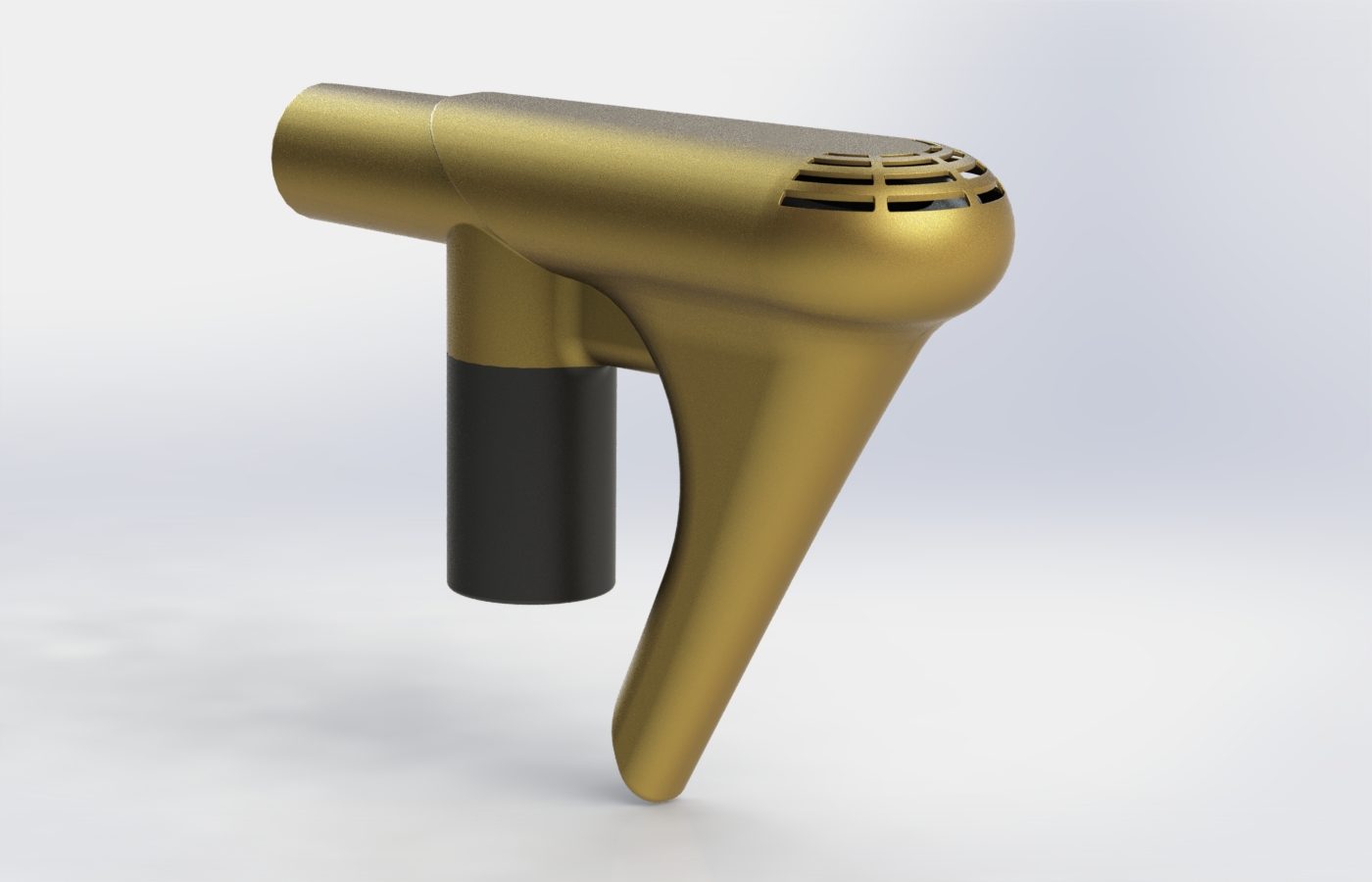
A hair dryer demands high electrical power — not for the motor, but for heating the air. That is why battery hair dryers do not exist: a battery that could supply the required heat for a reasonable session would be far too heavy and expensive. This project attacked the problem from a different direction: generate the heat from gas instead of electricity, the way a gas soldering iron or a patio heater does.
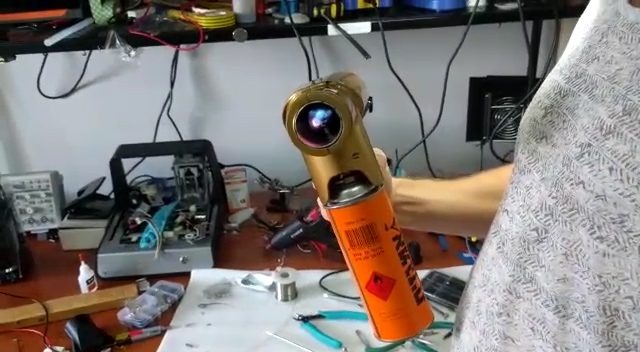
The result is a product that works anywhere — on a trip, in the field, on an outdoor production set, in any place without power — with a small replaceable gas canister instead of a cord.
The Core Engineering Challenge: Separating Heat from Air
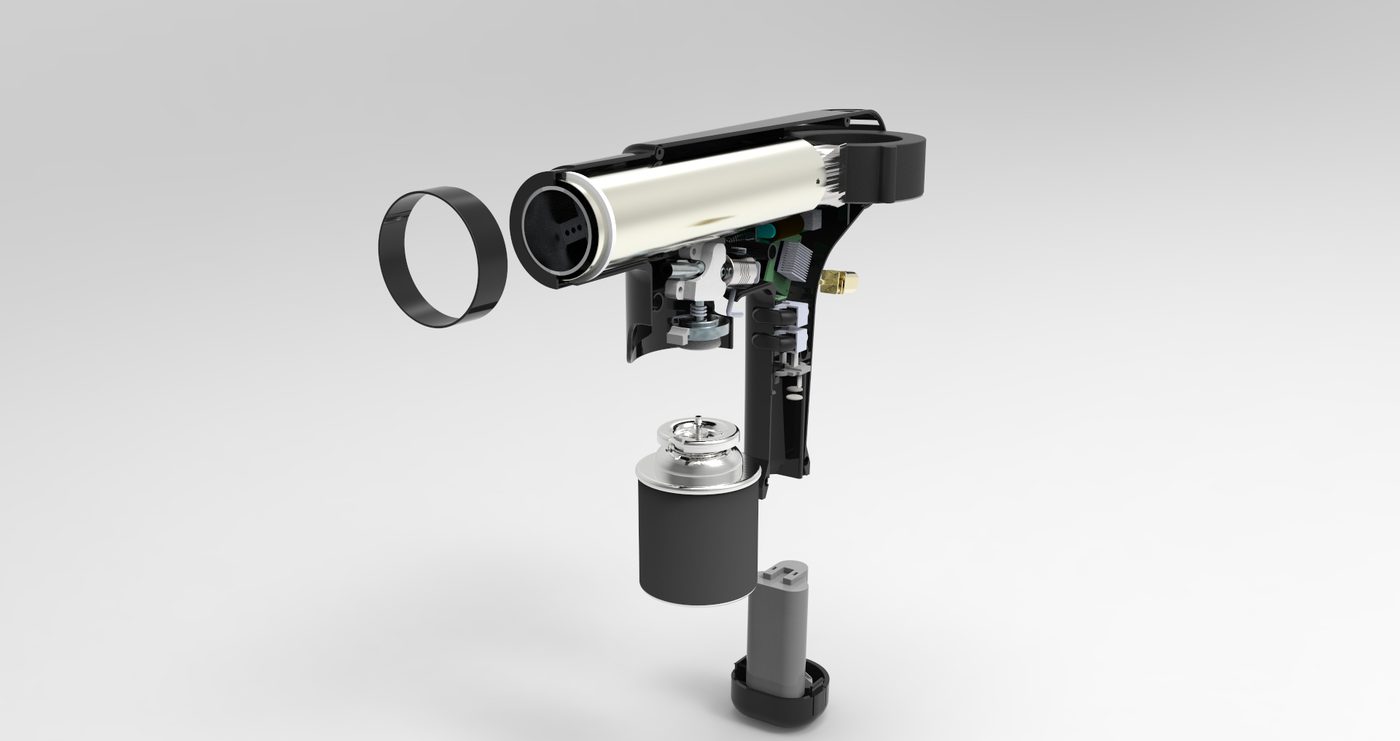
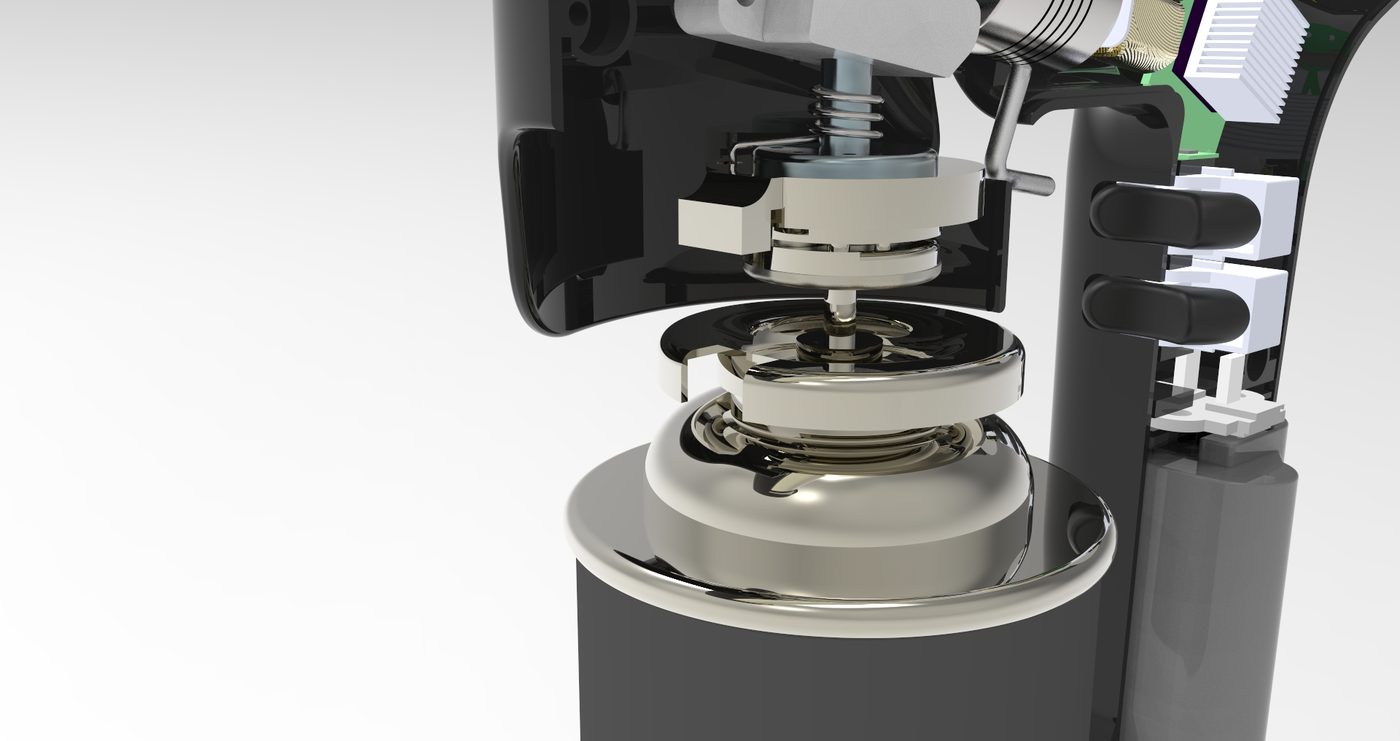
A combustion chamber produces both heat and combustion products, and the air blown toward the hair must never be contaminated. The heart of the design is therefore a heat exchanger: combustion happens in a sealed chamber, the clean airflow passes around it and warms by indirect contact, and the exhaust leaves through a separate path. The exchanger's design — surface area, flow path, material — sets both the product's efficiency and its safety, and it was developed with heat-transfer and airflow simulations, classic high-stakes mechanical engineering.
Safety as the Leading Consideration
A product that contains gas and a flame and is held next to the head demands a chain of protections — all of them implemented in the design, none left to an instruction sheet:
- An air-outlet temperature limit set by geometry and flow, so it cannot be exceeded.
- Automatic gas cutoff when no flame is present, preventing unburned gas release.
- Thermal insulation at the grip surfaces — the user holds the product while the chamber is hot.
- Tilt and drop cutoff — a fallen product that stays lit is a scenario that must be impossible.
- Chamber ventilation so gas cannot accumulate inside the housing.
Development Scope
The work spanned thermodynamics and flow simulation, mechanical design of the combustion chamber, flow paths, and enclosure, material selection — high-temperature materials inside, engineering plastic for the outer shell — and ergonomics guided by industrial design: a product held in a raised hand for long minutes makes weight and center of gravity as important as function.
What It Demonstrates
Good invention starts with asking "why is it even like this?" The assumption that a hair dryer plugs into the wall looks like a fact — it is really just one solution to the problem of heating air. Challenging a base assumption is where patents come from — see patents and intellectual property — and the fastest route from idea to product.
Questioning an assumption in your own industry? Contact the Projects House team and let's engineer the alternative.
Photos from the project