Project developed in partnership with Gizmo Engineering
The Need
Smart electric meters log detailed consumption data, but for most customers that information stays locked inside the meter: it is read remotely for billing only, and neither the customer nor their energy management system sees consumption as it happens. This project — carried out for a business client in the energy monitoring field, in cooperation with the national electric utility — was built to close that gap: a small device that connects physically to the meter and releases its data to the network.
The Engineering Solution
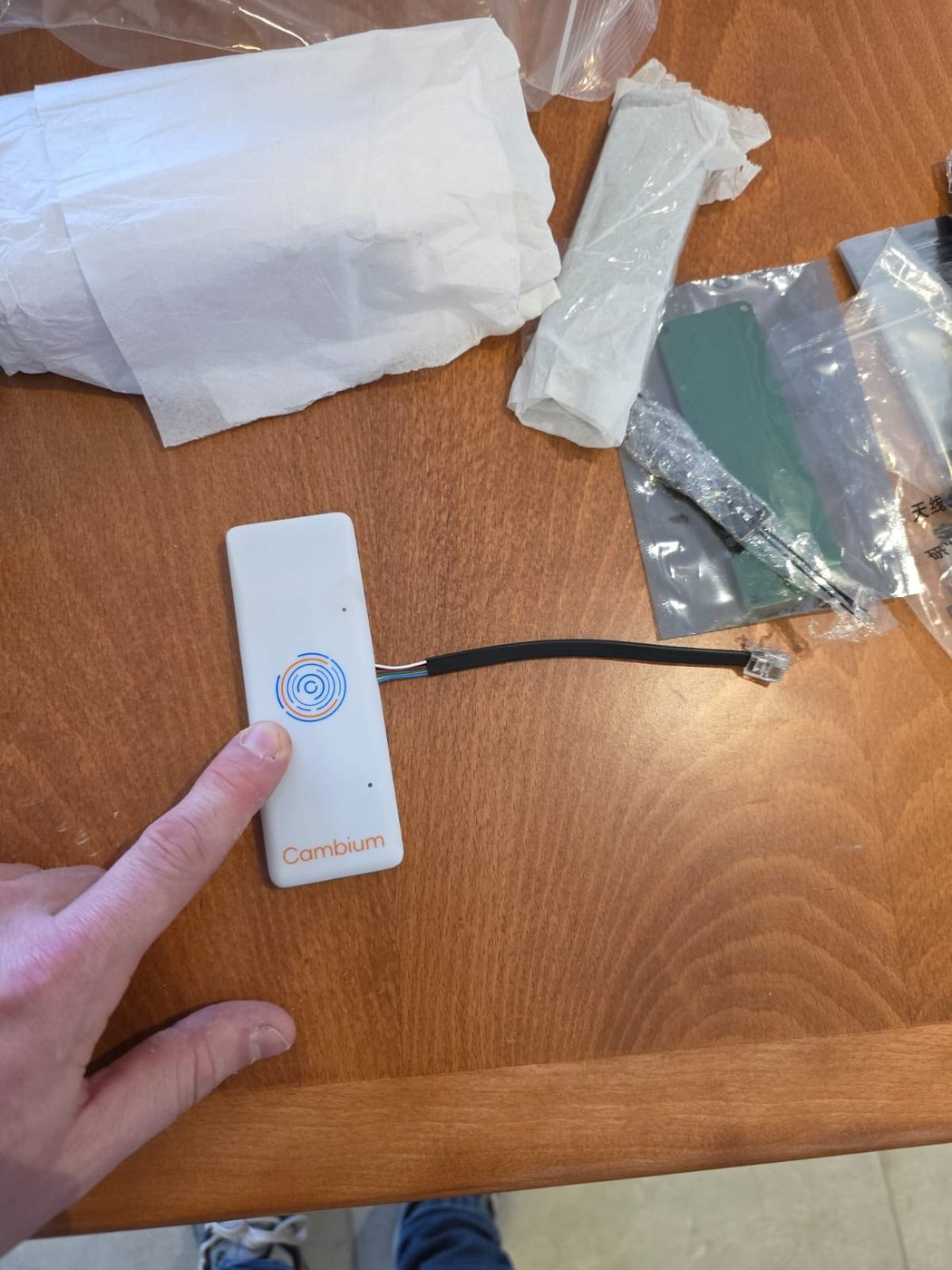
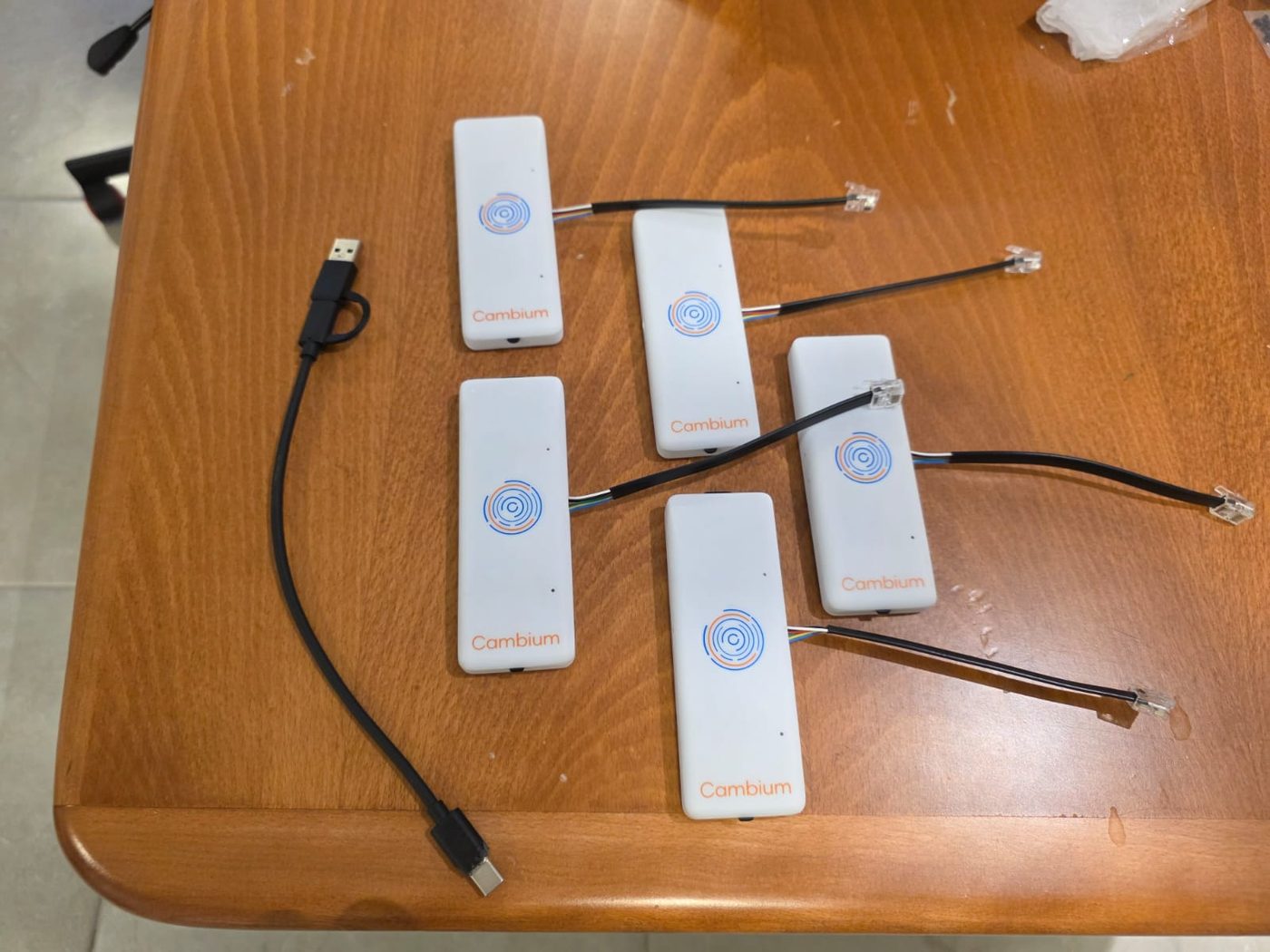
The device plugs into the meter's standard data port over an RJ cable, reads consumption values at high resolution, and transmits them over a cellular network to the central system. Because the device lives inside electrical cabinets — a cramped, hot, electrically noisy environment — it demanded careful circuit board design that separates the communication side from the measurement side, and a deliberate choice of wireless channel, both classic disciplines of electronics development. Energy consumption data is sensitive information, so the transmission channel is encrypted end to end, following the connected-product security practices we cover in software development.
From Pilot Series to Deployment
The project advanced through the familiar stages of electronic prototyping: a first development board that proved the meter protocol could be decoded, a compact dedicated board, and then a pilot series installed on live meters. Devices that attach to official metering infrastructure must also meet regulatory requirements — part of the standards work in new product development — and the data flows into a central cloud management system. Ahead of deployment we also built a dedicated test station that verifies every unit against a reference meter before it ships — a small step that saves expensive repair trips to remote electrical cabinets.
Development Scope
- Electronics: the meter reading interface, a cellular modem, and a card-sized board.
- Software: meter protocol decoding, encryption, and reliable transmission.
- Mechanics: a slim enclosure for installation inside an existing electrical cabinet.
Takeaway
In the energy world, a number that arrives a month late is worth very little — the same number in real time is the foundation for savings, load balancing, and fair billing. This small piece of hardware is what turns a recording meter into a live source of information.
Want to connect your product to real-time data? Contact Projects House through the form and let's map the path from idea to deployment.
Photos from the project